
Beverage10 recipes
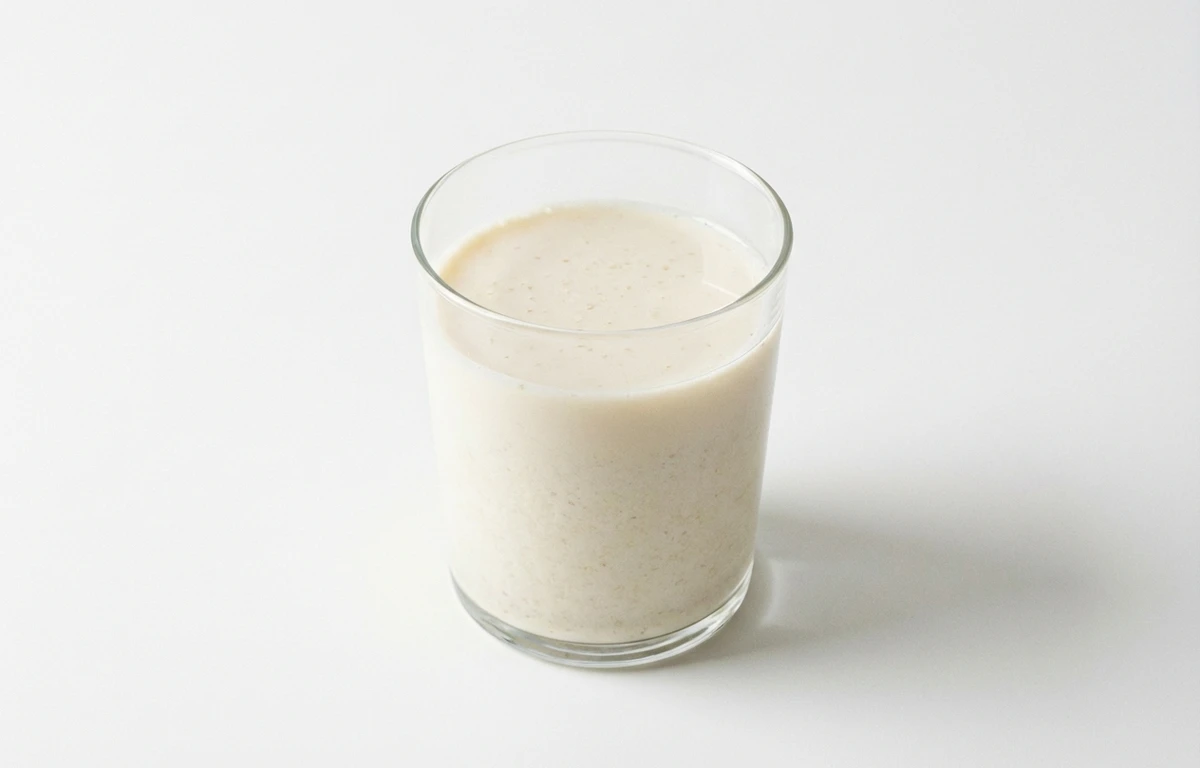
unsweetened soymilk.
VegetarianVeganGluten-freeDairy-freeNut-freePeanut-freeSoy-freeEgg-freeShellfish-freeHoney-freeAlcohol-free
ALSO KNOWN AS
soya milkसोया दूधsoymilksoy drinksoy milkunsweetened soymilkplain soymilkunsweetened soy milk
SERVING
CALORIES
33
PROTEIN
2.9g
CARBS
1.6g
FAT
1.6g
FIBER
0.40g
NUTRITION PROFILE · per 100 g
Everything in this ingredient.
MACRONUTRIENTS
Calories33kcal—
Protein2.9g6%
Carbohydrates1.6g1%
Fiber0.40g1%
Sugar0.41g1%
Total fat1.6g2%
Saturated fat0.21g1%
Trans fat0g—
Cholesterol0mg0%
Water93.2g—
MINERALS
Sodium35mg2%
Potassium123mg3%
Calcium123mg9%
Iron0.44mg2%
Magnesium25mg6%
Phosphorus55mg4%
Zinc0.20mg2%
Copper0.05mg6%
Manganese0.10mg4%
Selenium1.5µg3%
VITAMINS
Vitamin A15µg2%
Vitamin C0mg0%
Vitamin D0.50µg3%
Vitamin E0.10mg1%
Vitamin K0.50µg0%
Thiamin (B1)0.02mg2%
Riboflavin (B2)0.05mg4%
Niacin (B3)0.10mg1%
Pantothenic acid (B5)0.05mg1%
Vitamin B60.02mg1%
Folate (B9)5.0µg1%
Vitamin B120.10µg4%
%DV based on a 2,000 cal diet. Source: USDA FoodData Central. A dash in the %DV column means there’s no established Daily Value for that nutrient.
MEASUREMENT CONVERSIONS
How much is what.
1 cup240g
1 tablespoon15g
1 teaspoon5g
1 ml0.9g
1 liter1000g
HEALTH BENEFITS
Why eat it.
- ✓Provides a source of complete plant-based protein, containing all nine essential amino acids necessary for muscle repair and growth.
- ✓Contains isoflavones, which may support heart health by helping to lower LDL (bad) cholesterol levels.
- ✓Often fortified with calcium and vitamin D, making it a valuable dairy-free alternative for supporting bone health.
- ✓Naturally low in saturated fat and cholesterol-free, contributing to cardiovascular wellness.
COOKING TIPS
In the kitchen.
- 1Use as a 1:1 substitute for dairy milk in baking, smoothies, and creamy sauces.
- 2To prevent curdling in hot, acidic beverages like coffee, warm the soymilk gently before adding it, or add the coffee to the soymilk.
- 3Its neutral flavor makes it suitable for both sweet and savory dishes, from oatmeal to creamy vegan soups.
- 4When making sauces, heat soymilk over medium-low heat and avoid boiling to maintain a smooth consistency.
STORAGE
Keep it fresh.
- Once opened, keep refrigerated and consume within 7 to 10 days for optimal freshness and safety.
- Unopened shelf-stable (aseptic) cartons can be stored in a cool, dark pantry at room temperature until the expiration date.
FAQ
Frequently asked questions.
Is unsweetened soymilk healthy?
Yes, unsweetened soymilk is a nutrient-dense beverage that is low in calories and high in complete plant-based protein. It is naturally cholesterol-free, low in saturated fat, and often fortified with essential nutrients like calcium and vitamin D to support bone health.
How much protein is in unsweetened soymilk?
Unsweetened soymilk contains approximately 2.88g of protein per 100g, which translates to about 7-8g per cup. It is unique among plant milks for providing all nine essential amino acids necessary for muscle repair and growth.
Is unsweetened soymilk keto-friendly?
Yes, unsweetened soymilk is excellent for a keto or low-carb diet. With only about 1.65g of carbohydrates per 100g and no added sugars, it fits easily within daily carb limits compared to sweetened versions or cow's milk.
Is unsweetened soymilk vegan and gluten-free?
Yes, unsweetened soymilk is 100% vegan as it is made entirely from plant sources (soybeans and water). It is also naturally gluten-free, making it safe for those with celiac disease or gluten sensitivities.
Can I use unsweetened soymilk in coffee and tea?
Yes, it is a popular dairy-free creamer alternative. To prevent curdling, which can happen due to the acidity of coffee, try warming the soymilk slightly before adding it or pouring the coffee slowly into the milk.
What does unsweetened soymilk taste like?
It has a mild, creamy consistency with a slightly nutty and bean-like flavor. Because it lacks added sugar, it is more neutral than other plant milks, making it versatile for both savory and sweet dishes.
Can I substitute unsweetened soymilk for cow's milk in baking?
Yes, you can generally substitute it in a 1:1 ratio. Its high protein content helps it behave similarly to dairy milk in recipes, contributing to proper browning and structure in baked goods.
How should I store unsweetened soymilk and how long does it last?
Shelf-stable varieties can be stored in a cool, dry pantry until opened. Once opened, or if purchased from the refrigerated section, it must be kept in the fridge and is typically best consumed within 7 to 10 days.
Does unsweetened soymilk help with heart health?
Yes, it contains isoflavones which may help lower LDL (bad) cholesterol levels. Being naturally cholesterol-free and low in saturated fat, it is a heart-healthy choice for cardiovascular wellness.
Is unsweetened soymilk good for weight loss?
It can be a great addition to a weight loss diet because it is low in calories (33 cal per 100g) and high in protein. The protein content helps promote satiety, keeping you feeling full for longer periods.
RECIPES
Cook with unsweetened soymilk.
10 recipes · sorted by what’s quick



















