
Loading...
Also known as:
Per 100g
Nutrition data source: USDA FoodData Central
Common measurement equivalents in grams
Yes, Varagu (Kodo Millet) is highly nutritious. It is rich in dietary fiber, antioxidants, and essential minerals like magnesium and iron, which support digestion, heart health, and bone strength.
Yes, Varagu is excellent for weight management. Its high fiber content promotes satiety, keeping you full for longer and reducing overall calorie intake, while its complex carbohydrates provide sustained energy.
Per 100g, Varagu provides approximately 331.74 calories, 8.92g of protein, 66.19g of carbohydrates, and 2.55g of fat. It is also a significant source of phenolic compounds and essential minerals.
Yes, Varagu is naturally gluten-free. This makes it a safe and nutritious grain alternative for individuals with celiac disease or gluten sensitivity.
Yes, Varagu has a low glycemic index (GI), meaning it releases sugar slowly into the bloodstream. This helps in managing blood sugar levels, making it an ideal grain for people with diabetes.
To cook Varagu, rinse it thoroughly and use a 1:2 ratio of millet to water. Bring to a boil, then simmer on low heat for about 10-12 minutes until the water is absorbed and the grains are fluffy.
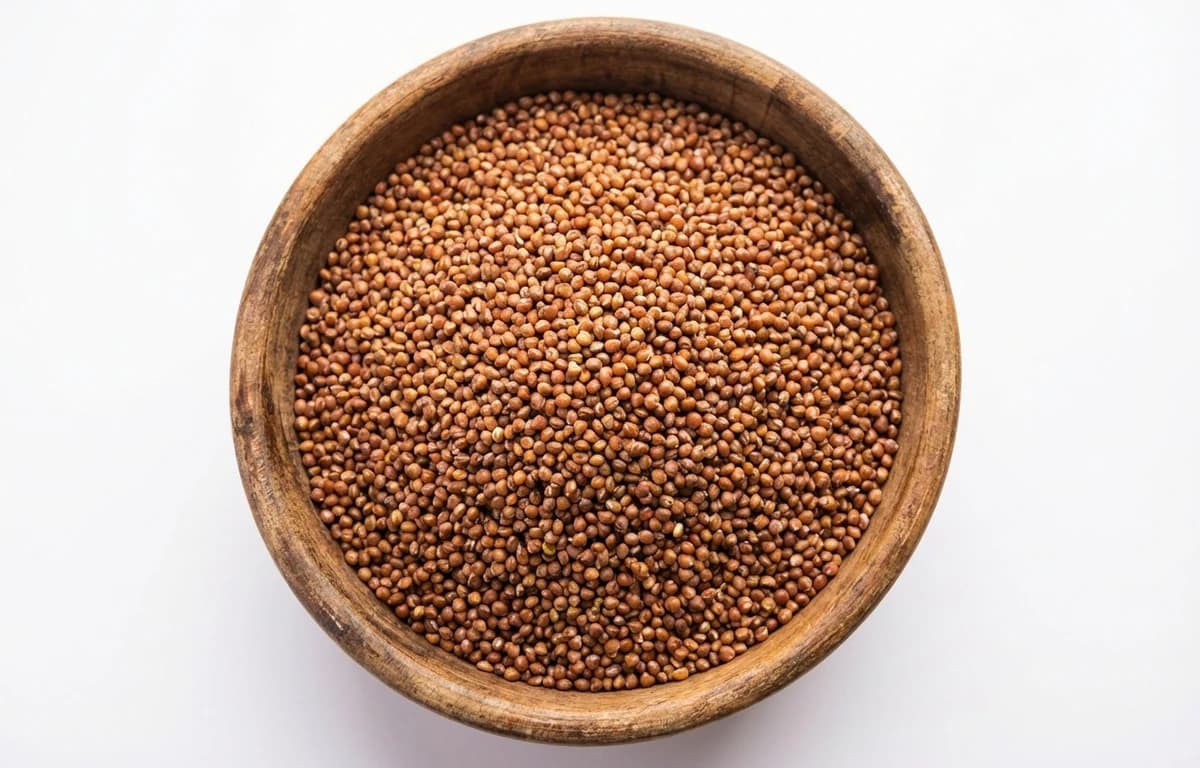
Varagu has a mild, earthy, and slightly nutty flavor. Its texture is similar to couscous or broken rice, making it very versatile for both savory and sweet dishes.
Absolutely. Varagu is a popular substitute for white rice in dishes like upma, pongal, idli, and dosa. It offers a similar texture but with significantly more fiber and nutrients.
varagu is a versatile ingredient found in cuisines around the world. With 331.74 calories per 100g and 8.92 grams of protein, it's a nutritious addition to many dishes.
Explore more ingredients in the grain category with complete nutrition information.
View all grain →Explore more ingredients similar to varagu.
The most-searched ingredients on CraftMyMeals.
Store Varagu in an airtight container in a cool, dry, and dark place to prevent moisture and pests. When stored properly, it can last for up to 6 to 12 months.
While not strictly necessary, soaking Varagu for at least 30 minutes to 4 hours is recommended. Soaking helps break down phytic acid, which improves mineral absorption and makes the grain easier to digest.