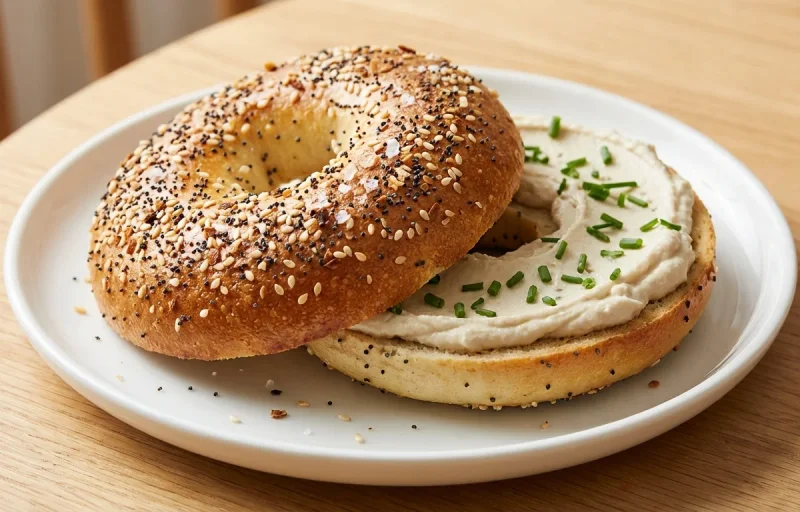
Dairy
vegan cream cheese.
VegetarianVeganGluten-freeDairy-freeNut-freePeanut-freeSoy-freeEgg-freeShellfish-freeHoney-freeAlcohol-freeFermented
ALSO KNOWN AS
dairy-free cream cheeseplant-based cream cheesenon-dairy cream cheesevegan schmearvegan soft cheese spread
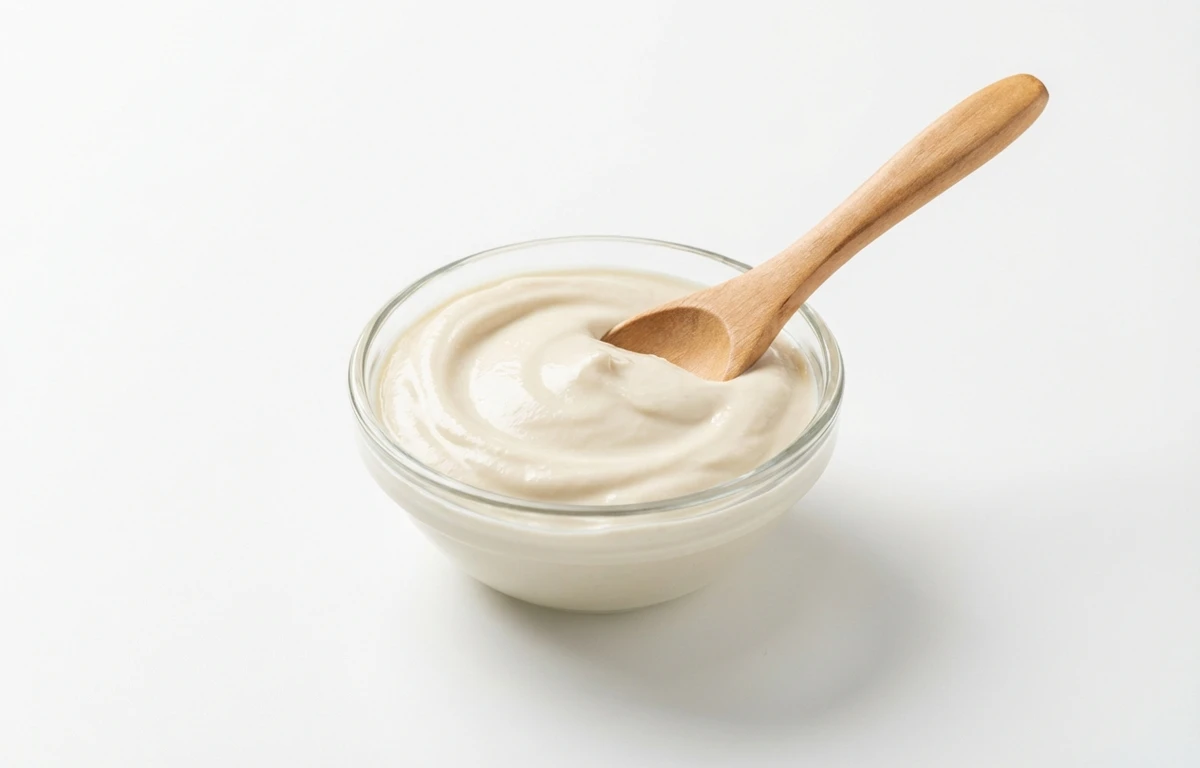
SERVING
CALORIES
280
PROTEIN
2.5g
CARBS
8.0g
FAT
27g
FIBER
1.0g
NUTRITION PROFILE · per 100 g
Everything in this ingredient.
MACRONUTRIENTS
Calories280kcal—
Protein2.5g5%
Carbohydrates8.0g3%
Fiber1.0g4%
Sugar2.0g4%
Total fat27g35%
Saturated fat18g90%
Trans fat0g—
Cholesterol0mg0%
Water55g—
MINERALS
Sodium450mg20%
Potassium60mg1%
Calcium40mg3%
Iron0.50mg3%
Magnesium12mg3%
Phosphorus35mg3%
Zinc0.30mg3%
Copper0.05mg6%
Manganese0.05mg2%
Selenium0.80µg1%
VITAMINS
Vitamin A0µg0%
Vitamin C0mg0%
Vitamin D0µg0%
Vitamin E0.50mg3%
Vitamin K1.2µg1%
Thiamin (B1)0.02mg2%
Riboflavin (B2)0.02mg2%
Niacin (B3)0.10mg1%
Pantothenic acid (B5)0.10mg2%
Vitamin B60.02mg1%
Folate (B9)5.0µg1%
Vitamin B120µg0%
%DV based on a 2,000 cal diet. Source: USDA FoodData Central. A dash in the %DV column means there’s no established Daily Value for that nutrient.
MEASUREMENT CONVERSIONS
How much is what.
1 cup230g
1 tablespoon15g
1 teaspoon5g
1 oz28.4g
1 lb453.6g
1 ml1g
1 liter1020g
HEALTH BENEFITS
Why eat it.
- ✓Zero cholesterol compared to dairy cream cheese
- ✓Suitable for individuals with lactose intolerance
- ✓Lower in protein but often lower in total calories than full-fat dairy versions
- ✓Provides a plant-based alternative for heart-healthy diets
- ✓Often contains healthy fats if derived from nuts like cashews
COOKING TIPS
In the kitchen.
- 1Let it sit at room temperature for 10 minutes before spreading for a smoother consistency
- 2When using in baking, ensure it is at room temperature to avoid lumps in batters
- 3Add a splash of lemon juice or apple cider vinegar if you want to increase the 'tanginess' in recipes
STORAGE
Keep it fresh.
- Keep refrigerated at all times in its original container
- Ensure the lid is tightly sealed to prevent the edges from drying out
- Use within 7 to 10 days after opening for optimal freshness
FAQ
Frequently asked questions.
How long does vegan cream cheese last after opening?
Most brands recommend consuming vegan cream cheese within 7 to 10 days of opening, provided it is kept refrigerated.
Can you freeze vegan cream cheese?
Freezing is generally not recommended as it can cause the emulsion to break, resulting in a grainy or watery texture once thawed.
What is vegan cream cheese usually made of?
Common bases include coconut oil, cashews, soy, or almond milk combined with starches and cultures.
Does vegan cream cheese melt?
Yes, most oil-based vegan cream cheeses will melt or soften significantly when heated, making them good for sauces.
Is vegan cream cheese healthier than regular cream cheese?
It is cholesterol-free and often lower in calories, but it can be high in saturated fat if made from coconut oil and is usually lower in protein.
Can I use it as a 1:1 substitute in cheesecake recipes?
Yes, but results vary by brand. Cashew-based versions typically provide the best texture for baked cheesecakes.
Is vegan cream cheese gluten-free?
Most commercial brands are naturally gluten-free, but always check the label for thickeners or additives that might contain gluten.
How can I tell if it has gone bad?
Look for mold, a change in color (yellowing), or a sour/off smell that differs from its usual cultured scent.
Does it contain probiotics?
Some brands use live active cultures during the fermentation process, which may provide probiotic benefits.
What is the best substitute if I can't find vegan cream cheese?
Thickened silken tofu blended with lemon juice and salt, or soaked and blended cashews, are excellent homemade alternatives.
RECIPES
Cook with vegan cream cheese.
0 recipes · sorted by what’s quick