
Condiment10 recipes
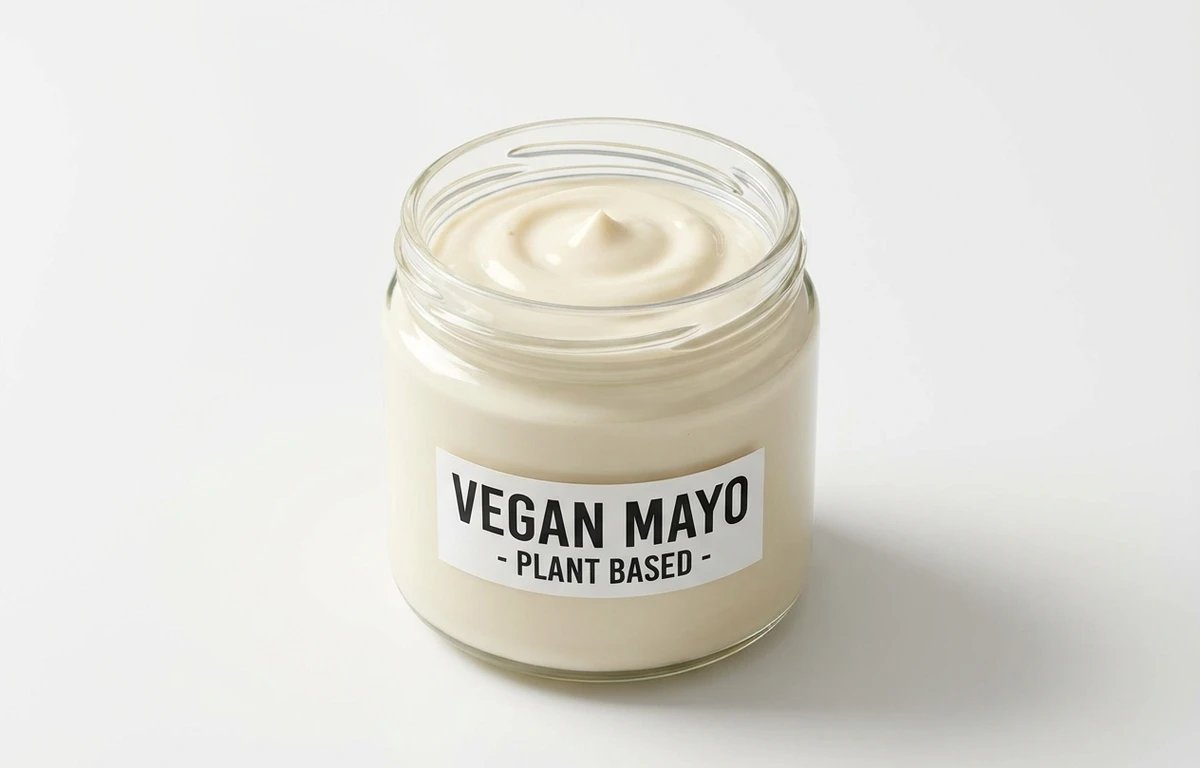
vegan mayonnaise.
VegetarianVeganGluten-freeDairy-freeNut-freePeanut-freeSoy-freeEgg-freeShellfish-freeHoney-freeAlcohol-free
ALSO KNOWN AS
egg-free mayonnaiseplant-based mayo
SERVING
CALORIES
630
PROTEIN
1.1g
CARBS
5.5g
FAT
68g
FIBER
0g
NUTRITION PROFILE · per 100 g
Everything in this ingredient.
MACRONUTRIENTS
Calories630kcal—
Protein1.1g2%
Carbohydrates5.5g2%
Fiber0g0%
Sugar2.5g5%
Total fat68g87%
Saturated fat5.2g26%
Trans fat0g—
Cholesterol0mg0%
Water22g—
MINERALS
Sodium640mg28%
Potassium25mg1%
Calcium10mg1%
Iron0.20mg1%
Magnesium2.0mg0%
Phosphorus15mg1%
Zinc0.10mg1%
Copper0.02mg2%
Manganese0.01mg0%
Selenium0.50µg1%
VITAMINS
Vitamin A0µg0%
Vitamin C0mg0%
Vitamin D0µg0%
Vitamin E12.5mg83%
Vitamin K85µg71%
Thiamin (B1)0.01mg1%
Riboflavin (B2)0.01mg1%
Niacin (B3)0.10mg1%
Pantothenic acid (B5)0.05mg1%
Vitamin B60.01mg1%
Folate (B9)2.0µg1%
Vitamin B120µg0%
%DV based on a 2,000 cal diet. Source: USDA FoodData Central. A dash in the %DV column means there’s no established Daily Value for that nutrient.
MEASUREMENT CONVERSIONS
How much is what.
1 cup220g
1 tablespoon14g
1 teaspoon5g
1 oz28.4g
1 lb453.6g
1 ml0.9g
1 liter920g
HEALTH BENEFITS
Why eat it.
- ✓Zero cholesterol compared to traditional egg-based mayonnaise
- ✓Contains heart-healthy unsaturated fats from plant oils
- ✓Safe for individuals with egg allergies or sensitivities
- ✓Lower in saturated fat than many animal-based spreads
- ✓Provides Vitamin E from plant-based oil sources
COOKING TIPS
In the kitchen.
- 1Use as a 1:1 replacement for regular mayo in sandwiches and salads
- 2Works well as a binder for vegan 'tuna' (chickpea) or 'egg' (tofu) salads
- 3Can be used in vegan baking to add moisture to cakes and muffins
STORAGE
Keep it fresh.
- Refrigerate immediately after opening to maintain freshness
- Do not freeze as it will cause the emulsion to break and separate
- Always use a clean utensil to prevent bacterial contamination
FAQ
Frequently asked questions.
How long does vegan mayonnaise last after opening?
Most commercial vegan mayonnaises last about 2 to 3 months in the refrigerator after opening, provided they are kept tightly sealed.
Can vegan mayonnaise be frozen?
No, freezing is not recommended. The emulsion will break upon thawing, resulting in a separated, oily, and unappealing texture.
What is the best substitute for vegan mayonnaise?
Mashed avocado, hummus, silken tofu blended with lemon juice, or cashew cream are excellent plant-based alternatives.
Is vegan mayonnaise healthier than regular mayonnaise?
It is cholesterol-free and often lower in saturated fat, but it is still high in calories and fat, so it should be consumed in moderation.
Does vegan mayonnaise contain soy?
Many brands use soy milk or soybean oil as a base, but soy-free versions made from pea protein or avocado oil are also widely available.
Can I use vegan mayonnaise for high-heat cooking?
While it can be used in baking or lightly warmed, high heat may cause the emulsion to separate into oil and liquid.
How can I tell if vegan mayonnaise has gone bad?
Look for signs of mold, a sour or off-putting smell, or significant yellowing and separation of the oil.
What are the main thickening agents in vegan mayo?
Common thickeners include modified food starch, xanthan gum, or proteins derived from peas or soybeans.
Is vegan mayonnaise gluten-free?
Most vegan mayonnaises are naturally gluten-free, but always check the label for thickeners or flavorings that might contain wheat.
RECIPES
Cook with vegan mayonnaise.
10 recipes · sorted by what’s quick



















