
Dairy2 recipes
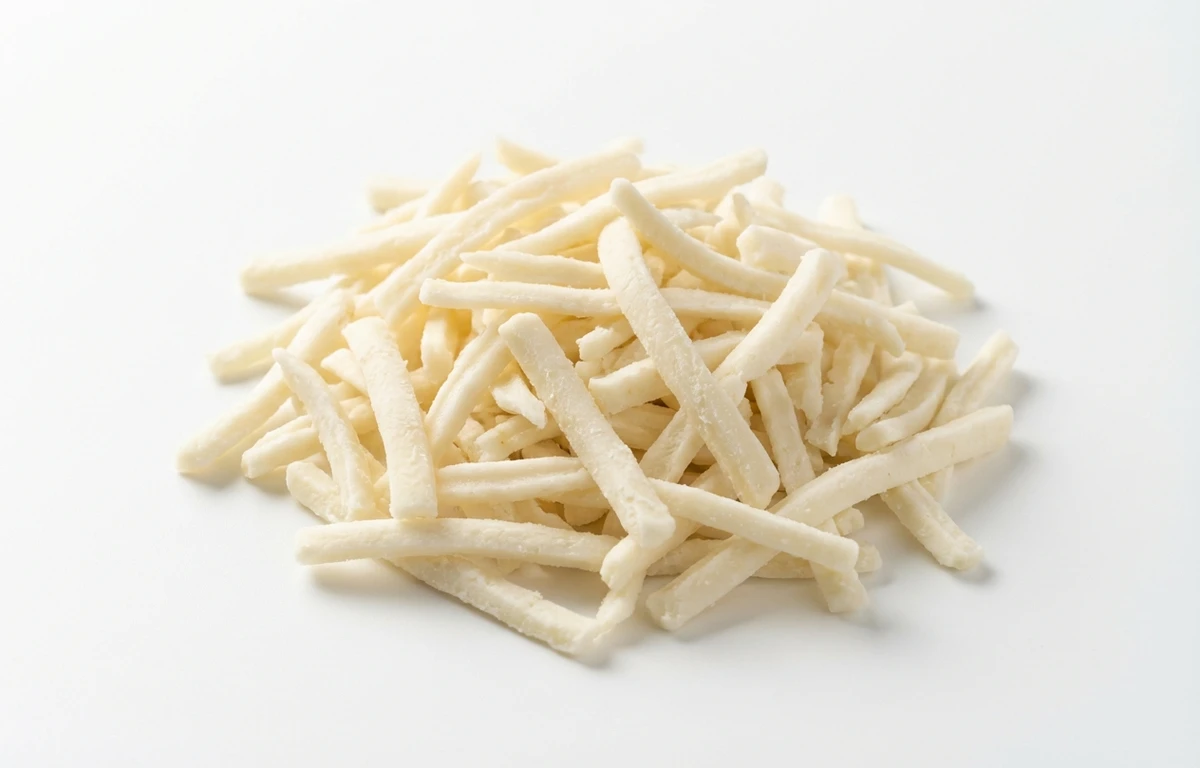
vegan mozzarella cheese.
VegetarianVeganGluten-freeDairy-freeNut-freePeanut-freeSoy-freeEgg-freeShellfish-freeHoney-freeAlcohol-free
ALSO KNOWN AS
plant-based mozzarelladairy-free mozzarellanon-dairy mozzarella
SERVING
CALORIES
280
PROTEIN
1.1g
CARBS
24g
FAT
20g
FIBER
0g
NUTRITION PROFILE · per 100 g
Everything in this ingredient.
MACRONUTRIENTS
Calories280kcal—
Protein1.1g2%
Carbohydrates24g9%
Fiber0g0%
Sugar0.50g1%
Total fat20g26%
Saturated fat18g90%
Trans fat0g—
Cholesterol0mg0%
Water52g—
MINERALS
Sodium780mg34%
Potassium40mg1%
Calcium300mg23%
Iron0.20mg1%
Magnesium5.0mg1%
Phosphorus15mg1%
Zinc0.10mg1%
Copper0.02mg2%
Manganese0.01mg0%
Selenium0.50µg1%
VITAMINS
Vitamin A0µg0%
Vitamin C0mg0%
Vitamin D0µg0%
Vitamin E0.10mg1%
Vitamin K0.50µg0%
Thiamin (B1)0.01mg1%
Riboflavin (B2)0.01mg1%
Niacin (B3)0.01mg0%
Pantothenic acid (B5)0.02mg0%
Vitamin B60.01mg1%
Folate (B9)0µg0%
Vitamin B121.5µg63%
%DV based on a 2,000 cal diet. Source: USDA FoodData Central. A dash in the %DV column means there’s no established Daily Value for that nutrient.
MEASUREMENT CONVERSIONS
How much is what.
1 cup220g
1 tablespoon14g
1 teaspoon5g
1 oz28.4g
1 lb453.6g
1 ml1g
1 liter1020g
HEALTH BENEFITS
Why eat it.
- ✓100% Cholesterol-free
- ✓Safe for individuals with lactose intolerance
- ✓Free from milk-protein (casein) allergies
- ✓Often fortified with Vitamin B12
- ✓Lower in saturated fat compared to some dairy cheeses
COOKING TIPS
In the kitchen.
- 1Melts best when exposed to high heat and moisture (steam)
- 2Lightly spray with oil before baking to encourage better browning
- 3Add toward the end of cooking for dishes like pasta to prevent over-softening
STORAGE
Keep it fresh.
- Keep refrigerated at all times in an airtight container
- Use within 7 to 10 days after opening the package
- Can be frozen, though texture may become slightly more crumbly upon thawing
FAQ
Frequently asked questions.
Does vegan mozzarella melt like real cheese?
Yes, most modern brands melt well, though they often require higher heat or trapped steam to achieve a gooey consistency compared to dairy cheese.
How long does vegan mozzarella last in the fridge?
Once opened, it typically stays fresh for 7-10 days. Always check for mold or an off-smell before use.
Can I freeze vegan mozzarella?
Yes, you can freeze it for up to 3 months. It is best to grate it before freezing so you can use small amounts at a time.
What is vegan mozzarella usually made of?
Most commercial versions are made from a base of coconut oil, potato or tapioca starch, and flavorings. Some artisanal versions use cashews or almonds.
Is vegan mozzarella healthier than dairy mozzarella?
It is cholesterol-free and lactose-free, but it is often lower in protein and can be high in refined starches and saturated fats from coconut oil.
Why won't my vegan cheese brown in the oven?
Vegan cheese lacks the proteins and sugars found in dairy that cause the Maillard reaction. Brushing it with a tiny bit of oil can help it brown.
Is vegan mozzarella soy-free?
Many popular brands are soy-free, using starches instead, but you should always check the label as some brands use tofu or soy protein.
What is the best substitute for vegan mozzarella?
If you cannot find it, cashew-based 'cheese' sauce or sliced extra-firm silken tofu with nutritional yeast can work in some recipes.
Does it contain gluten?
Most vegan mozzarella brands are naturally gluten-free as they use corn, potato, or tapioca starch, but cross-contamination is possible.
RECIPES
Cook with vegan mozzarella cheese.
2 recipes · sorted by what’s quick



















