Grain
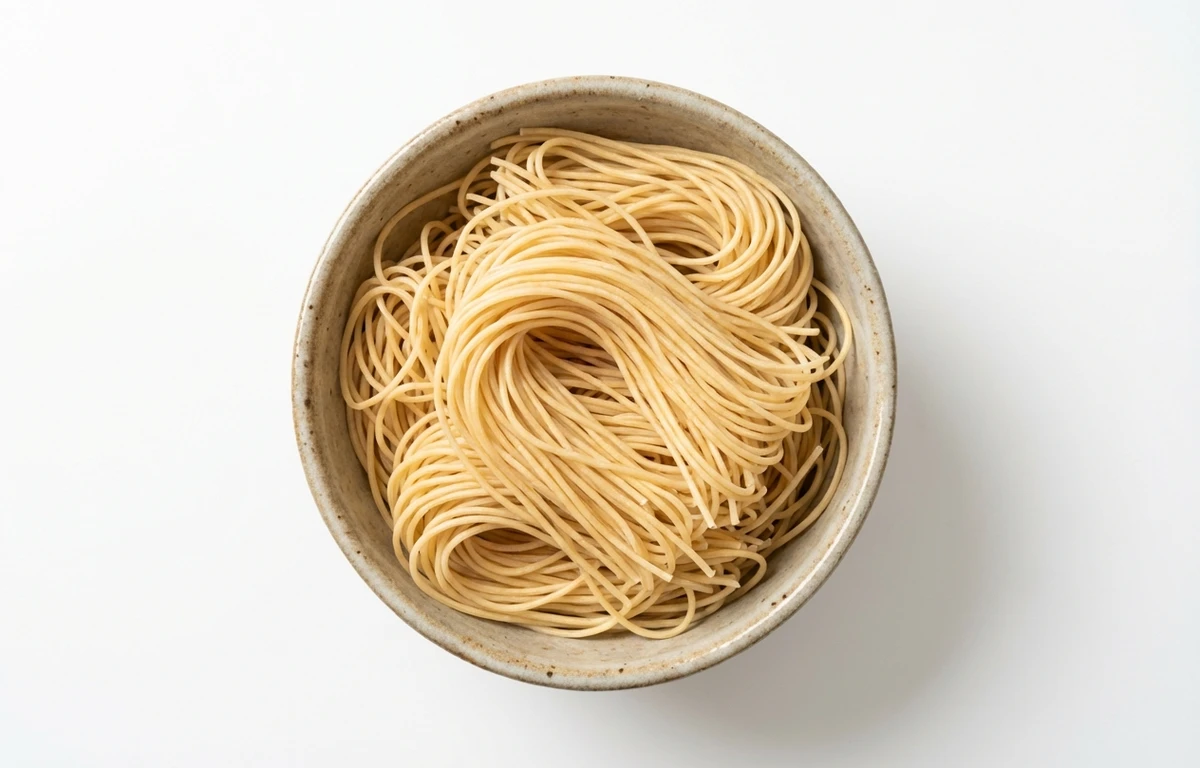
vermicelli wheat.
VegetarianVeganGluten-freeDairy-freeNut-freePeanut-freeSoy-freeEgg-freeShellfish-freeHoney-freeAlcohol-free
SERVING
CALORIES
333
PROTEIN
9.7g
CARBS
70.4g
FAT
0.45g
FIBER
9.3g
NUTRITION PROFILE · per 100 g
Everything in this ingredient.
MACRONUTRIENTS
Calories333kcal—
Protein9.7g19%
Carbohydrates70.4g26%
Fiber9.3g33%
Sugar1.7g3%
Total fat0.45g1%
Saturated fat0.06g0%
Trans fat0g—
Cholesterol0mg0%
Water9.6g—
MINERALS
Sodium2.7mg0%
Potassium163mg3%
Calcium19.4mg1%
Iron2.0mg11%
Magnesium34.2mg8%
Phosphorus99mg8%
Zinc0.83mg8%
Copper0.19mg21%
Manganese0.67mg29%
Selenium15.3µg28%
VITAMINS
Vitamin A1.7µg0%
Vitamin C0mg0%
Vitamin D4.1µg20%
Vitamin E0.03mg0%
Vitamin K1.0µg1%
Thiamin (B1)0.13mg11%
Riboflavin (B2)0.01mg1%
Niacin (B3)0.86mg5%
Pantothenic acid (B5)0.52mg10%
Vitamin B60.03mg2%
Biotin (B7)2.0µg7%
Folate (B9)14.3µg4%
%DV based on a 2,000 cal diet. Source: USDA FoodData Central. A dash in the %DV column means there’s no established Daily Value for that nutrient.
MEASUREMENT CONVERSIONS
How much is what.
1 cup85g
1 tablespoon5.3g
1 teaspoon1.8g
1 oz28.4g
1 lb453.6g
1 ml0.4g
1 liter359g
HEALTH BENEFITS
Why eat it.
- ✓Provides a quick source of energy due to its high carbohydrate content, primarily from starch.
- ✓Enriched varieties are a good source of B vitamins, such as niacin and folate, which are essential for energy metabolism and cell health.
- ✓Made from durum wheat semolina, it is a source of selenium, an important antioxidant that helps protect the body from oxidative stress.
- ✓Naturally low in fat and sodium, making it a suitable base for heart-healthy meals when prepared with minimal added fats and salts.
COOKING TIPS
In the kitchen.
- 1Vermicelli cooks very quickly, typically in 2-5 minutes. Add it to boiling salted water and cook until al dente, being careful not to overcook as it can become mushy.
- 2For enhanced flavor and texture in sweet or savory pilaf-style dishes, toast the dry vermicelli in a little ghee or oil until golden brown before adding liquid.
- 3After boiling, rinse with cold water to stop the cooking process and remove excess starch. This helps keep the strands separate, which is ideal for salads or stir-fries.
- 4Break the long strands into smaller, more manageable pieces before cooking for easier incorporation into soups, puddings, and upma.
STORAGE
Keep it fresh.
- Store dry, uncooked vermicelli in a cool, dark, and dry place, such as a pantry, in an airtight container to protect it from moisture and pests for up to 1-2 years.
- Once cooked, store vermicelli in an airtight container in the refrigerator for up to 3-5 days. A light toss with oil can prevent clumping.
FAQ
Frequently asked questions.
Is vermicelli wheat healthy?
Yes, vermicelli wheat is a healthy, low-fat energy source. It is naturally low in sodium and provides essential B vitamins and selenium, which support metabolism and heart health when served with nutrient-dense vegetables.
How many calories and carbs are in vermicelli wheat?
100g of dry vermicelli wheat contains approximately 332.7 calories and 70.39g of carbohydrates. Its high carbohydrate content, primarily from starch, makes it an excellent source of quick energy.
Is vermicelli wheat gluten-free?
No, vermicelli wheat is made from durum wheat semolina and contains gluten. It is not suitable for individuals with celiac disease or gluten intolerance; rice or bean-based vermicelli are better alternatives for those diets.
Is vermicelli wheat vegan?
Yes, standard vermicelli wheat is vegan as it is typically made from a simple mixture of durum wheat semolina and water. Always check the label to ensure no egg-based binders were used in specific brands.
How do you cook vermicelli wheat?
It cooks very quickly, usually in 3 to 5 minutes in boiling salted water. For many traditional dishes like Upma or pilaf, it is often toasted in a pan with a little oil or ghee before boiling to prevent sticking and add a nutty flavor.
What is the difference between wheat vermicelli and rice vermicelli?
Wheat vermicelli is made from semolina, contains gluten, and has a firm, pasta-like texture. Rice vermicelli is made from rice flour, is gluten-free, and has a much softer, more delicate texture commonly used in Asian cuisine.
Is vermicelli wheat good for weight loss?
While it is very low in fat (0.45g per 100g), it is high in calories and carbohydrates. To support weight loss, it should be eaten in controlled portions and paired with high-fiber vegetables to improve satiety.
How should I store dry vermicelli wheat?
Store dry vermicelli in an airtight container in a cool, dry, and dark pantry. When kept away from moisture and pests, it can remain fresh and safe to eat for up to 12 to 24 months.
Can diabetics eat vermicelli wheat?
Diabetics can eat it in moderation, but should be mindful of the high carb content (70.39g per 100g). Pairing it with fiber-rich vegetables, healthy fats, and protein can help slow down the absorption of sugar and prevent glucose spikes.
Is vermicelli wheat a good source of protein?
It provides a moderate amount of protein, approximately 9.7g per 100g. While it is not a complete protein, it is a significant contributor to daily intake for a grain-based food, especially when compared to rice-based noodles.