Grain1 recipes
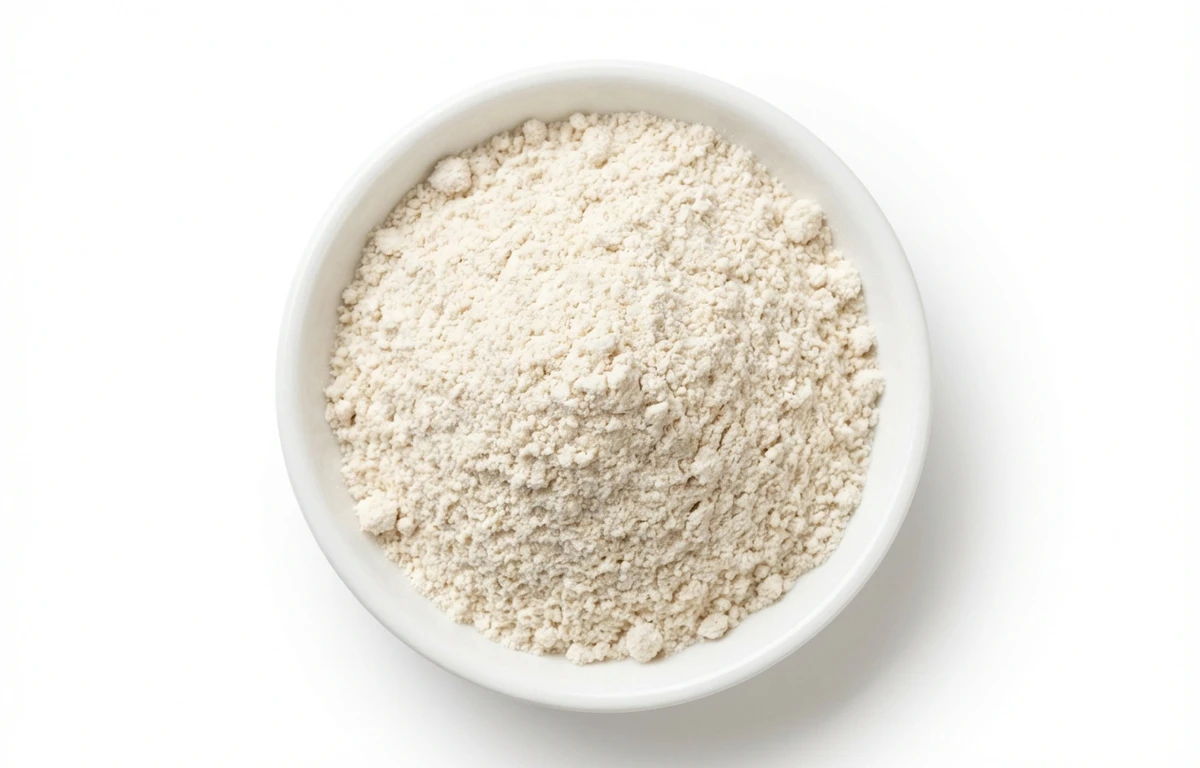
water chestnut flour.
VegetarianVeganGluten-freeDairy-freeNut-freePeanut-freeSoy-freeEgg-freeShellfish-freeHoney-freeAlcohol-free
ALSO KNOWN AS
singhare ka attasinghara attawater chestnut powder
SERVING
CALORIES
340
PROTEIN
1.5g
CARBS
83.7g
FAT
0.20g
FIBER
1.5g
NUTRITION PROFILE · per 100 g
Everything in this ingredient.
MACRONUTRIENTS
Calories340kcal—
Protein1.5g3%
Carbohydrates83.7g30%
Fiber1.5g5%
Sugar0.50g1%
Total fat0.20g0%
Saturated fat0g0%
Cholesterol0mg0%
Water12g—
MINERALS
Sodium10mg0%
Potassium480mg10%
Calcium15mg1%
Iron0.30mg2%
Magnesium11mg3%
Phosphorus100mg8%
Zinc0.30mg3%
Copper0.11mg12%
Manganese0.15mg7%
Selenium0.60µg1%
VITAMINS
Vitamin A0µg0%
Vitamin C0.50mg1%
Vitamin D0µg0%
Vitamin E0.01mg0%
Vitamin K0.30µg0%
Thiamin (B1)0.03mg3%
Riboflavin (B2)0.01mg1%
Niacin (B3)0.20mg1%
Pantothenic acid (B5)0.08mg2%
Vitamin B60.03mg2%
Folate (B9)1.0µg0%
Vitamin B120µg0%
%DV based on a 2,000 cal diet. Source: USDA FoodData Central. A dash in the %DV column means there’s no established Daily Value for that nutrient.
MEASUREMENT CONVERSIONS
How much is what.
1 cup120g
1 tablespoon7.5g
1 teaspoon2.5g
1 ml0.5g
1 liter500g
HEALTH BENEFITS
Why eat it.
- ✓Naturally gluten-free, making it an excellent alternative for individuals with celiac disease or gluten sensitivity.
- ✓Contains resistant starch, which can act as a prebiotic to support beneficial gut bacteria and improve digestive health.
- ✓A good source of potassium, which is essential for maintaining healthy blood pressure and fluid balance.
- ✓Low in fat and sodium, contributing to a heart-healthy diet.
COOKING TIPS
In the kitchen.
- 1Use as a gluten-free thickener for soups, sauces, and gravies; it creates a glossy finish without a starchy taste.
- 2Ideal for making traditional Indian fasting (vrat) dishes like puris, halwa, and cheela (pancakes).
- 3Can be used as a light, crispy coating for fried foods like vegetables or chicken.
- 4When baking, combine with other gluten-free flours as it lacks the structure-building properties of gluten and works best as part of a blend.
STORAGE
Keep it fresh.
- Store in an airtight container in a cool, dark, and dry pantry to prevent moisture absorption and clumping.
- For extended freshness, especially in humid climates, store the flour in the refrigerator or freezer for up to one year.
FAQ
Frequently asked questions.
Is water chestnut flour healthy?
Yes, water chestnut flour is a healthy, nutrient-dense alternative to grain flours. It is rich in potassium, low in sodium, and contains resistant starch which acts as a prebiotic to support digestive health.
Is water chestnut flour gluten-free?
Yes, water chestnut flour is naturally gluten-free. This makes it an excellent choice for individuals with celiac disease, gluten intolerance, or those following a grain-free diet.
How many calories and carbs are in water chestnut flour?
A 100g serving contains approximately 340 calories and 83.7g of carbohydrates. While it is high in energy-providing carbs, it is very low in fat, containing only about 0.2g per serving.
Is water chestnut flour keto-friendly?
No, water chestnut flour is not keto-friendly. With over 83g of carbohydrates per 100g, it is a high-starch ingredient that would likely exceed the daily carb limits of a ketogenic diet.
What does water chestnut flour taste like?
It has a mild, slightly sweet, and nutty flavor. Its neutral profile allows it to blend well into both sweet desserts and savory dishes without being overpowering.
How do you use water chestnut flour in cooking?
It is versatile and can be used to make flatbreads, pancakes, and fritters. Because of its high starch content, it also works exceptionally well as a batter for deep-frying or as a thickener for soups and sauces.
Can water chestnut flour be used as a thickener?
Yes, it is an excellent thickening agent similar to cornstarch or arrowroot. When mixed with water and heated, it creates a smooth, glossy consistency in gravies and puddings.
Why is water chestnut flour popular for religious fasting?
In many cultures, such as in India where it is known as 'Singhare ka Atta,' it is used during fasts because it is derived from a fruit (the water caltrop) rather than a grain. It provides a dense source of energy when grains are restricted.
How should water chestnut flour be stored?
It should be kept in an airtight container in a cool, dry, and dark place. Because it is a natural product without heavy processing, storing it in the refrigerator can help extend its freshness and prevent it from becoming stale.
Does water chestnut flour provide any protein?
Water chestnut flour is relatively low in protein, providing about 1.5g per 100g. It is primarily used as a source of complex carbohydrates and minerals rather than as a protein supplement.
RECIPES
Cook with water chestnut flour.
1 recipes · sorted by what’s quick