
Other
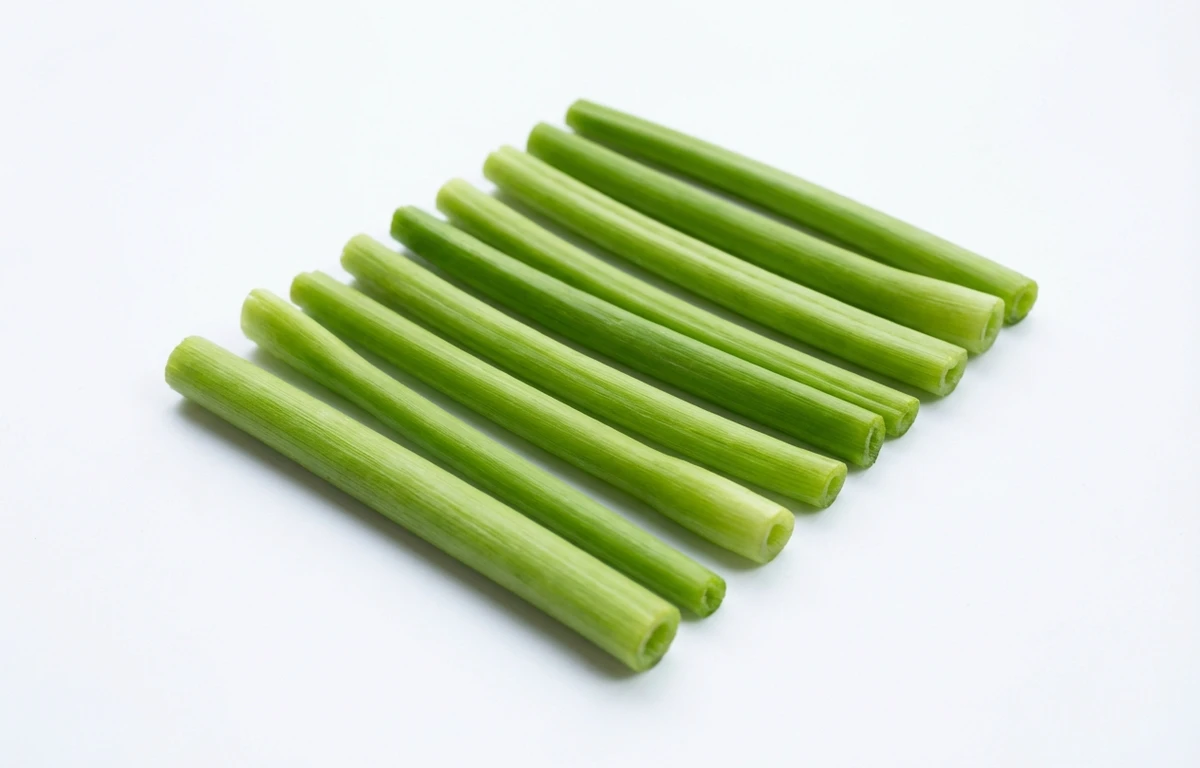
water hyacinth stems.
VegetarianVeganGluten-freeDairy-freeNut-freePeanut-freeSoy-freeEgg-freeShellfish-freeHoney-freeAlcohol-freeHalalKosher
ALSO KNOWN AS
kachuripana dantapak-tob-javaphak top chawawater orchid stemsbengali kachuripana
SERVING
CALORIES
18
PROTEIN
1.2g
CARBS
3.5g
FAT
0.10g
FIBER
1.8g
This ingredient is flagged as naturally gluten-free. Per 100 g, it provides 12 µg of vitamin K.
NUTRITION PROFILE · per 100 g
Everything in this ingredient.
MACRONUTRIENTS
Calories18kcal—
Protein1.2g2%
Carbohydrates3.5g1%
Fiber1.8g6%
Sugar0.50g1%
Total fat0.10g0%
Saturated fat0.02g0%
Trans fat0g—
Cholesterol0mg0%
Water92g—
MINERALS
Sodium25mg1%
Potassium280mg6%
Calcium45mg3%
Iron0.80mg4%
Magnesium22mg5%
Phosphorus30mg2%
Zinc0.20mg2%
Copper0.05mg6%
Manganese0.15mg7%
Selenium0.40µg1%
VITAMINS
Vitamin A15µg2%
Vitamin C8.0mg9%
Vitamin D0µg0%
Vitamin E0.20mg1%
Vitamin K12µg10%
Thiamin (B1)0.04mg3%
Riboflavin (B2)0.03mg2%
Niacin (B3)0.40mg3%
Pantothenic acid (B5)0.15mg3%
Vitamin B60.05mg3%
Folate (B9)18µg5%
Vitamin B120µg0%
%DV based on a 2,000 cal diet. Source: USDA FoodData Central. A dash in the %DV column means there’s no established Daily Value for that nutrient.
MEASUREMENT CONVERSIONS
How much is what.
1 cup130g
1 oz28.4g
1 lb453.6g
1 piece50g
HEALTH BENEFITS
Why eat it.
- ✓High dietary fiber aids in digestive health
- ✓Provides essential minerals like potassium and calcium
- ✓High water content helps with hydration
COOKING TIPS
In the kitchen.
- 1Peel the outer fibrous skin if the stems are mature and tough
- 2Blanch briefly in boiling water before stir-frying to maintain crunch
- 3Pairs exceptionally well with fermented fish, shrimp paste, or coconut milk
STORAGE
Keep it fresh.
- Store in a perforated plastic bag in the refrigerator crisper drawer
- Keep stems slightly damp to prevent wilting
- Best consumed within 2-3 days of harvesting or purchase
FAQ
Frequently asked questions.
How long do water hyacinth stems last?
They are highly perishable and typically last 2-3 days in the refrigerator when kept in a damp cloth or perforated bag.
How do I select the best water hyacinth stems?
Look for firm, bright green stems that are not slimy or wilted. Younger, thinner stems are usually more tender.
What is a good substitute for water hyacinth stems?
Celery, lotus stems, or even the crunchy parts of bok choy can serve as a substitute for their texture.
How should I prepare them for cooking?
Wash thoroughly to remove any pond debris, trim the roots and leaves, and peel the outer skin if it feels too fibrous.
Are water hyacinth stems healthy?
Yes, they are very low in calories and fat while providing fiber and essential micronutrients like Vitamin C and Potassium.
What do water hyacinth stems taste like?
They have a very mild, slightly earthy flavor and a porous, crunchy texture that absorbs the flavors of the sauces they are cooked in.
Are there any safety concerns with eating them?
Only consume water hyacinth from clean, non-polluted water sources, as the plant is known to absorb heavy metals and toxins from its environment.
Can you freeze water hyacinth stems?
Freezing is not recommended as the high water content and porous structure will cause them to become mushy upon thawing.
In which cuisines are they commonly used?
They are popular in Southeast Asian cuisines, particularly in Thai, Vietnamese, and Bengali dishes like stir-fries and sour soups.



















