grain1 recipes
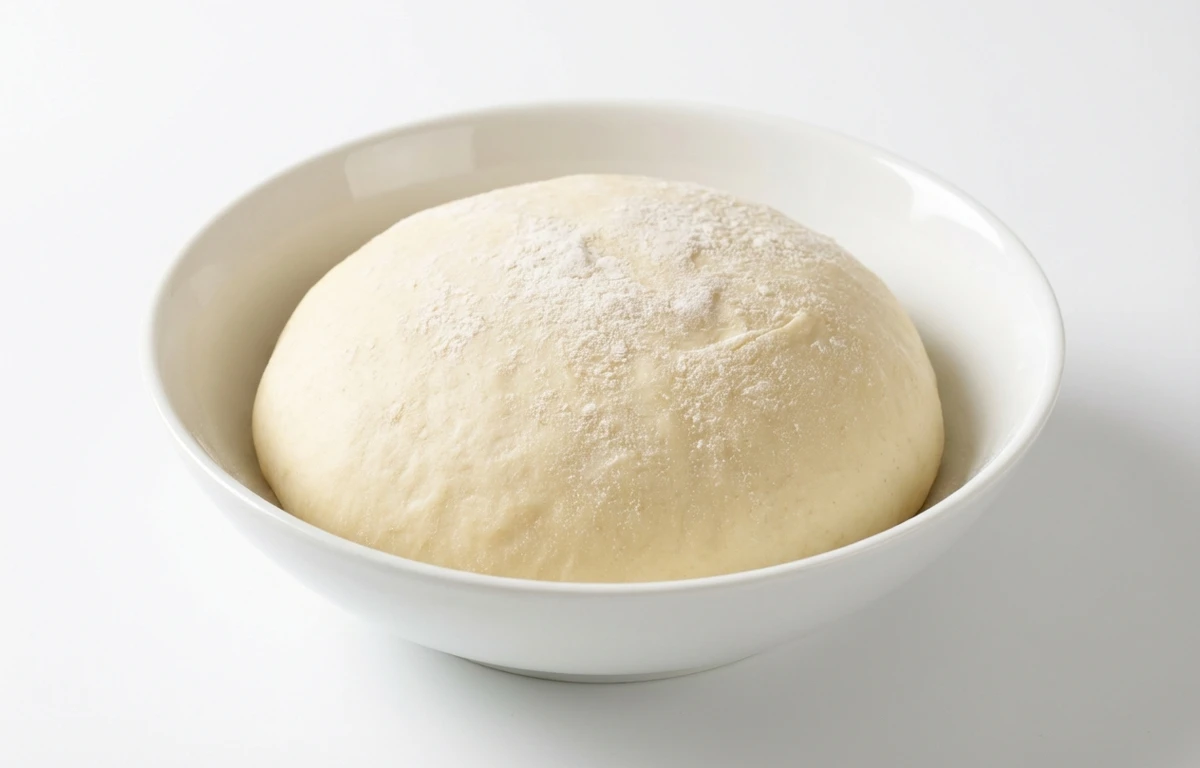
Wheat Flour Dough.
VegetarianVeganGluten-freeDairy-freeNut-freePeanut-freeSoy-freeEgg-freeShellfish-freeHoney-freeAlcohol-free
SERVING
CALORIES
236
PROTEIN
6.5g
CARBS
49.4g
FAT
0.70g
FIBER
2.0g
NUTRITION PROFILE · per 100 g
Everything in this ingredient.
MACRONUTRIENTS
Calories236kcal—
Protein6.5g13%
Carbohydrates49.4g18%
Fiber2.0g7%
Sugar0.20g0%
Total fat0.70g1%
Saturated fat0.10g1%
Cholesterol0mg0%
Water35g—
MINERALS
Sodium130mg6%
Potassium80mg2%
Calcium15mg1%
Iron1.0mg6%
Magnesium20mg5%
Phosphorus70mg6%
Zinc0.50mg5%
Copper0.10mg11%
Manganese0.30mg13%
Selenium15µg27%
VITAMINS
Vitamin A0µg0%
Vitamin C0mg0%
Vitamin D0µg0%
Vitamin E0.10mg1%
Vitamin K0.50µg0%
Thiamin (B1)0.10mg8%
Riboflavin (B2)0.05mg4%
Niacin (B3)1.0mg6%
Pantothenic acid (B5)0.20mg4%
Vitamin B60.05mg3%
Folate (B9)50µg13%
Vitamin B120µg0%
%DV based on a 2,000 cal diet. Source: USDA FoodData Central. A dash in the %DV column means there’s no established Daily Value for that nutrient.
MEASUREMENT CONVERSIONS
How much is what.
1 cup0.5g
1 tablespoon7.8g
1 teaspoon23.5g
1 oz3.5g
1 lb0.2g
1 ml117.6g
1 liter0.1g
HEALTH BENEFITS
Why eat it.
- ✓Provides a good source of carbohydrates for energy.
- ✓Contains some dietary fiber, aiding digestion.
- ✓Offers essential minerals like iron and magnesium.
- ✓Low in fat and cholesterol.
- ✓Versatile base for various nutritious meals.
COOKING TIPS
In the kitchen.
- 1Knead dough thoroughly to develop gluten for elasticity and texture.
- 2Allow dough to rest after kneading to relax gluten, making it easier to roll.
- 3Adjust water content slightly based on flour type and desired consistency.
STORAGE
Keep it fresh.
- Store fresh dough in an airtight container in the refrigerator for 1-2 days.
- For longer storage, freeze dough in a freezer-safe bag or container for up to 3 months.
- Thaw frozen dough in the refrigerator overnight before use.
FAQ
Frequently asked questions.
Is wheat flour dough healthy?
Wheat flour dough is a healthy source of complex carbohydrates, providing sustained energy for the body. It is naturally low in fat and cholesterol and contains essential minerals like iron and magnesium. For the most health benefits, using whole wheat flour increases the fiber content compared to refined white flour.
How many calories and carbs are in wheat flour dough?
A 100g serving of wheat flour dough contains approximately 236 calories and 49.4g of carbohydrates. It also provides about 6.5g of protein and a very low fat content of 0.7g, making it a high-energy, low-fat food base.
Is wheat flour dough gluten-free?
No, wheat flour dough is not gluten-free. Wheat naturally contains gluten proteins, which are essential for providing the dough with its elastic structure and chewy texture. Those with celiac disease or gluten intolerance should use alternative flours like almond or rice flour.
Is wheat flour dough vegan?
Basic wheat flour dough made with just flour, water, and salt is vegan. However, some recipes may include animal-derived ingredients like milk, butter, eggs, or honey. Always check the specific recipe or product label to confirm it meets vegan standards.
How do you store wheat flour dough?
Store wheat flour dough in an airtight container or wrapped tightly in plastic wrap to prevent it from drying out and forming a crust. It can be kept in the refrigerator for up to 3 days. For longer storage, it can be frozen for up to 3 months.
Can I freeze wheat flour dough?
Yes, wheat flour dough freezes very well. Wrap the dough tightly in plastic wrap and place it in a freezer-safe bag. When ready to use, thaw it overnight in the refrigerator and let it come to room temperature before shaping or baking.
Why does wheat flour dough need to rest after kneading?
Resting allows the gluten strands developed during kneading to relax and the flour to fully hydrate. This makes the dough much easier to roll out and shape, preventing it from 'snapping back' or becoming too tough during the cooking process.
Is wheat flour dough good for weight loss?
Wheat flour dough can be part of a weight-loss diet when consumed in moderation, as it provides fiber that aids digestion and promotes fullness. However, because it is carbohydrate-dense, it is important to monitor portion sizes and pair it with lean proteins and vegetables.
How do I prevent wheat flour dough from sticking to my hands?
To prevent sticking, lightly dust your hands and the work surface with extra flour. Alternatively, you can apply a very thin layer of cooking oil to your hands. If the dough is excessively sticky, it may need a small amount of additional flour kneaded into it.
How do I know if wheat flour dough has gone bad?
Fresh dough should have a neutral, slightly nutty smell. If the dough develops a sour or 'off' odor, shows signs of mold, or turns a greyish-black color, it has likely spoiled and should be discarded immediately.
RECIPES
Cook with wheat flour dough.
1 recipes · sorted by what’s quick