Grain
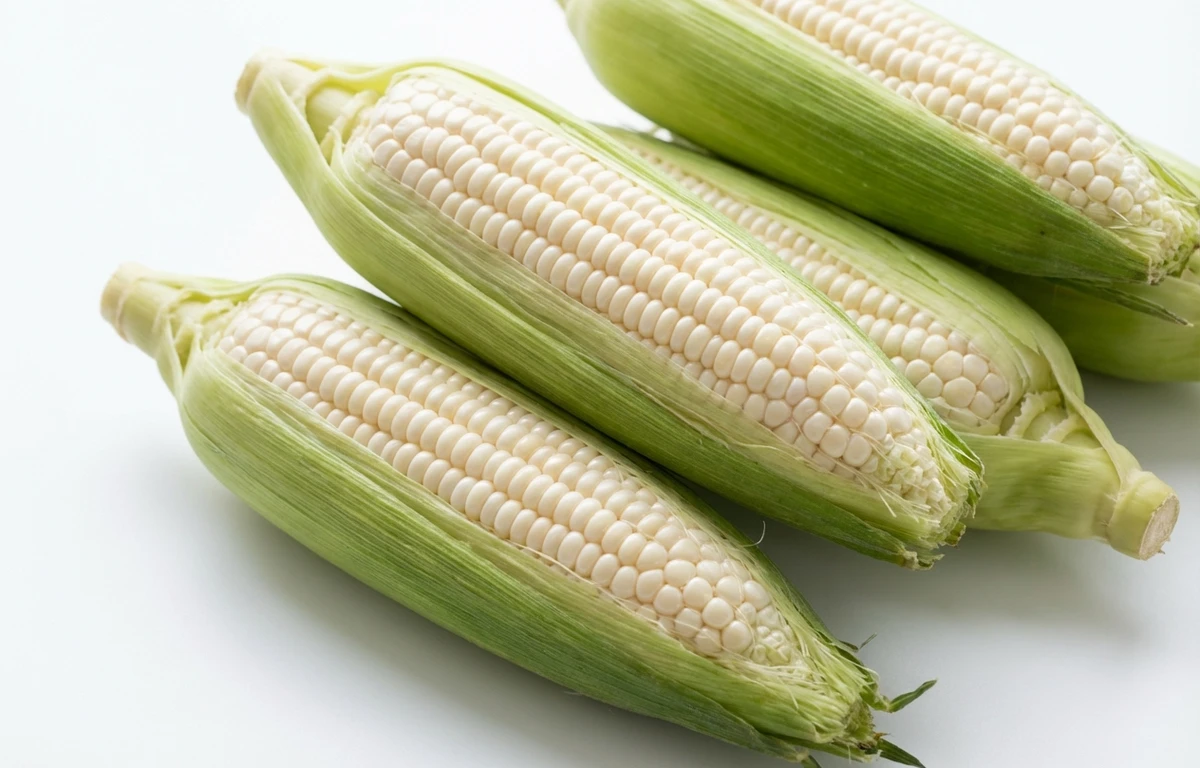
white corn.
VegetarianVeganGluten-freeDairy-freeNut-freePeanut-freeSoy-freeEgg-freeShellfish-freeHoney-freeAlcohol-freeWhole grain
SERVING
CALORIES
86
PROTEIN
3.2g
CARBS
19g
FAT
1.2g
FIBER
2.7g
NUTRITION PROFILE · per 100 g
Everything in this ingredient.
MACRONUTRIENTS
Calories86kcal—
Protein3.2g6%
Carbohydrates19g7%
Fiber2.7g10%
Sugar3.2g6%
Total fat1.2g2%
Saturated fat0.20g1%
Trans fat0g—
Cholesterol0mg0%
Water76g—
MINERALS
Sodium15mg1%
Potassium270mg6%
Calcium2.0mg0%
Iron0.50mg3%
Magnesium37mg9%
Phosphorus89mg7%
Zinc0.50mg5%
Copper0.05mg6%
Manganese0.16mg7%
Selenium0.60µg1%
VITAMINS
Vitamin A1.0µg0%
Vitamin C6.8mg8%
Vitamin D0µg0%
Vitamin E0.07mg0%
Vitamin K0.30µg0%
Thiamin (B1)0.15mg13%
Riboflavin (B2)0.06mg5%
Niacin (B3)1.7mg11%
Pantothenic acid (B5)0.70mg14%
Vitamin B60.10mg6%
Folate (B9)42µg11%
Vitamin B120µg0%
%DV based on a 2,000 cal diet. Source: USDA FoodData Central. A dash in the %DV column means there’s no established Daily Value for that nutrient.
MEASUREMENT CONVERSIONS
How much is what.
1 cup166g
1 tablespoon10.4g
1 teaspoon3.5g
1 ml0.7g
1 liter691.7g
HEALTH BENEFITS
Why eat it.
- ✓A good source of dietary fiber, which supports digestive health and can help regulate blood sugar levels.
- ✓Provides essential minerals like magnesium and phosphorus, which are vital for bone health and energy production.
- ✓Naturally gluten-free, making it a safe and versatile grain for individuals with celiac disease or gluten sensitivity.
- ✓Contains antioxidants, though in lower amounts than yellow corn, which help protect the body from oxidative stress.
COOKING TIPS
In the kitchen.
- 1To boil, place shucked ears in unsalted boiling water for 3-5 minutes. Adding salt to the water can toughen the kernels.
- 2For grilling, soak the corn in its husk in cold water for 20-30 minutes before placing on the grill to steam the kernels and prevent burning.
- 3White corn is ideal for making grits or masa for tortillas and tamales due to its starchy texture and mild, sweet flavor.
- 4Incorporate cooked kernels into salads, salsas, chowders, and casseroles for added texture and subtle sweetness.
STORAGE
Keep it fresh.
- Store fresh white corn on the cob with the husks intact in the refrigerator for 1-3 days to maintain its sweetness and moisture.
- For long-term storage, blanch kernels and freeze them in an airtight container or freezer bag for up to 12 months.
- Dried white corn (hominy) should be stored in a cool, dark, and dry place in an airtight container to prevent moisture and pest contamination.
FAQ
Frequently asked questions.
Is white corn healthy?
Yes, white corn is a nutritious vegetable that provides essential minerals like magnesium and phosphorus for bone health. It is also a good source of dietary fiber, which supports digestive health and helps regulate blood sugar levels.
How many calories and carbs are in white corn?
A 100g serving of white corn contains approximately 86 calories and 19g of carbohydrates. It also provides about 3.2g of protein and 1.2g of fat, making it a energy-dense starchy vegetable.
Is white corn gluten-free?
Yes, white corn is naturally gluten-free. This makes it a safe and versatile grain or vegetable option for individuals with celiac disease or those with gluten sensitivities.
What is the difference between white corn and yellow corn?
The primary difference is the pigment; yellow corn contains carotenoids (Vitamin A precursors) which give it its color, while white corn does not. White corn is often prized for being slightly sweeter and having more tender kernels than yellow varieties.
Is white corn keto-friendly?
White corn is generally not considered keto-friendly because it is high in starch and carbohydrates. With 19g of carbs per 100g, it can easily exceed the daily carb limits required to maintain ketosis.
How do you best cook white corn?
White corn can be boiled, steamed, or grilled. For the best results, boil ears in unsalted water for 3-5 minutes, or grill them over medium heat until the kernels are tender and slightly charred to enhance their natural sweetness.
Can I eat white corn raw?
Yes, very fresh white corn can be eaten raw. When it is at its peak freshness, the kernels are milky, crisp, and sweet, making them a great addition to salads, salsas, and cold grain bowls.
How should I store fresh white corn?
Store fresh ears of white corn in the refrigerator with the husks still on to retain moisture. It is best to eat it within 1-2 days of purchase, as the natural sugars begin to turn into starch as soon as it is harvested.
How can I tell if white corn has gone bad?
Check the husk and silk; a fresh ear should have a bright green, moist husk and tacky, pale silk. If the kernels appear shriveled, the husk is dry and yellow, or there is a fermented smell, the corn is no longer fresh.
Is white corn good for weight loss?
White corn can be part of a weight loss diet due to its high fiber content, which promotes a feeling of fullness. However, because it is a starchy vegetable, it should be eaten in moderation as part of a balanced meal plan.