
Loading...
Per 100g
Nutrition data source: USDA FoodData Central
Common measurement equivalents in grams
Tender white fish fillets nestled in a creamy, savory sauce with crisp vegetables. This one-pan casserole is a wholesome and satisfying weeknight dinner, ready in under an hour and packed with lean protein and nutrients.
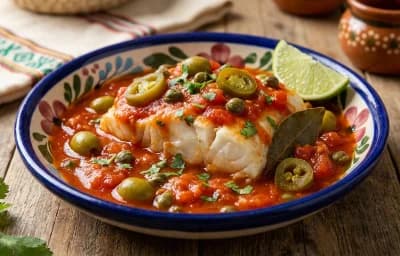
Tender white fish fillets simmered in a vibrant, zesty tomato sauce with briny olives, capers, and a hint of jalapeño spice. This classic dish from Veracruz is a beautiful one-pan meal, ready in under 45 minutes and perfect served with rice.
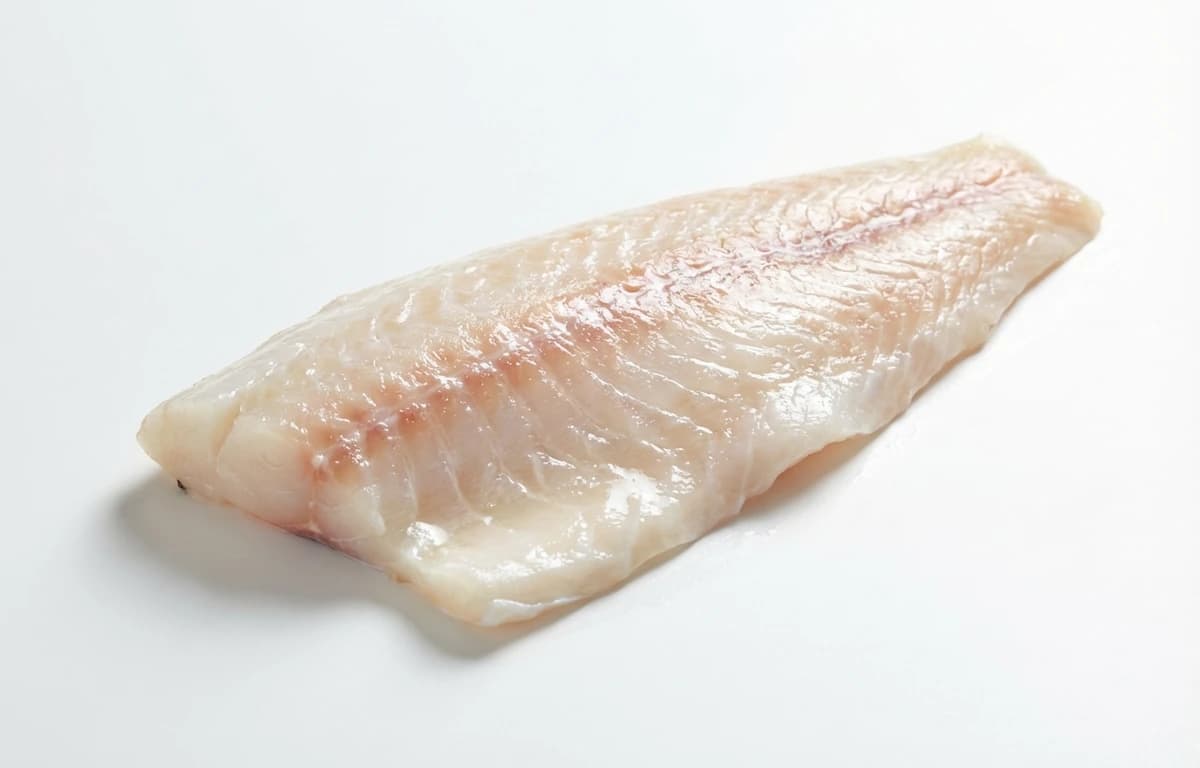
Fresh fillets should have firm, translucent flesh that springs back when pressed. They should have a mild, clean scent of the ocean, not a strong 'fishy' odor.
Depending on the recipe, you can use cod, tilapia, haddock, or pollock. For a plant-based alternative, firm tofu or hearts of palm can work in some dishes.
Yes, you can bake or poach them from frozen, but for pan-searing, it is best to thaw them first to ensure even cooking and a better texture.
While it remains safe indefinitely if kept at 0°F, it is best consumed within 3 to 6 months for the highest quality and flavor.
Yes, it is one of the leanest sources of animal protein, making it excellent for heart health and low-calorie diets.
Ensure the pan and oil are hot before adding the fish, and do not try to flip the fillet until it has naturally released from the surface.
Most common white fish like tilapia, cod, and haddock are considered 'best choices' by the FDA as they are typically low in mercury.
They are incredibly versatile and can be baked, pan-fried, poached, grilled, or used in fish tacos and stews.
white fish fillet is a versatile ingredient found in cuisines around the world. With 95 calories per 100g and 19.5 grams of protein, it's a nutritious addition to many dishes.
Explore more ingredients in the protein category with complete nutrition information.
View all protein →Discover 4 recipes featuring white fish fillet with step-by-step instructions.
Browse recipes →