Spice10 recipes
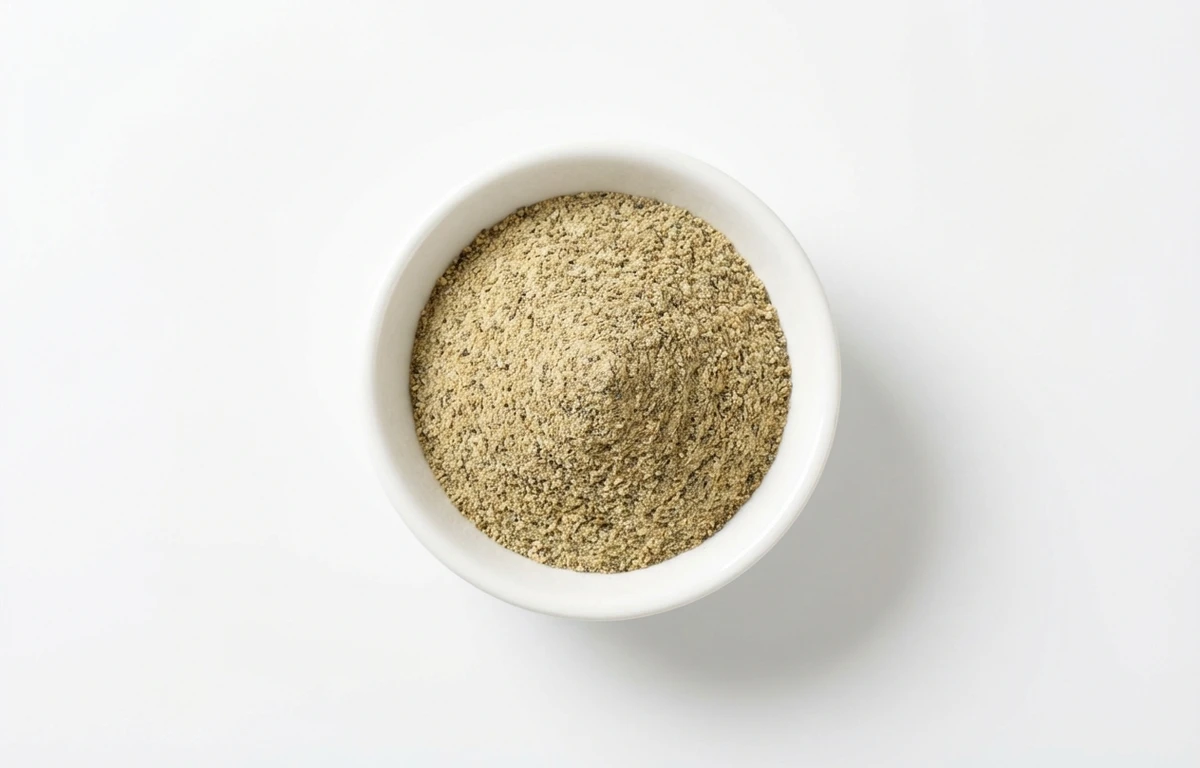
white pepper.
VegetarianVeganGluten-freeDairy-freeNut-freePeanut-freeSoy-freeEgg-freeShellfish-freeHoney-freeAlcohol-freeFermented
ALSO KNOWN AS
safed mirchground white peppersafed mirch powderpowdered white pepperground safed mirchwhite peppercorn powder
SERVING
CALORIES
296
PROTEIN
10.4g
CARBS
68.6g
FAT
2.1g
FIBER
26.2g
NUTRITION PROFILE · per 100 g
Everything in this ingredient.
MACRONUTRIENTS
Calories296kcal—
Protein10.4g21%
Carbohydrates68.6g25%
Fiber26.2g94%
Sugar0.10g0%
Total fat2.1g3%
Saturated fat0.60g3%
Trans fat0g—
Cholesterol0mg0%
Water11.4g—
MINERALS
Sodium5.0mg0%
Potassium73mg2%
Calcium265mg20%
Iron14.3mg79%
Magnesium90mg21%
Phosphorus176mg14%
Zinc1.1mg10%
Copper0.80mg89%
Manganese4.3mg187%
Selenium3.4µg6%
VITAMINS
Vitamin A0µg0%
Vitamin C21mg23%
Vitamin D0µg0%
Vitamin E0mg0%
Vitamin K0µg0%
Thiamin (B1)0.02mg2%
Riboflavin (B2)0.13mg10%
Niacin (B3)0.20mg1%
Pantothenic acid (B5)0mg0%
Vitamin B60.10mg6%
Folate (B9)10µg3%
Vitamin B120µg0%
%DV based on a 2,000 cal diet. Source: USDA FoodData Central. A dash in the %DV column means there’s no established Daily Value for that nutrient.
MEASUREMENT CONVERSIONS
How much is what.
1 cup112g
1 tablespoon7g
1 teaspoon2.3g
1 oz28.4g
1 lb453.6g
1 ml0.5g
1 liter470g
HEALTH BENEFITS
Why eat it.
- ✓Contains piperine which aids digestion
- ✓Possesses anti-inflammatory properties
- ✓Rich in manganese for bone health
- ✓May help relieve nasal congestion
- ✓Acts as an antioxidant to fight oxidative stress
COOKING TIPS
In the kitchen.
- 1Use in light-colored sauces or soups to maintain a clean aesthetic
- 2Add toward the end of cooking as high heat can make it bitter
- 3Provides a sharper, more immediate heat compared to black pepper
STORAGE
Keep it fresh.
- Store in an airtight container in a cool, dark place
- Keep away from direct sunlight and moisture to preserve potency
- Ground white pepper loses flavor faster than whole peppercorns
FAQ
Frequently asked questions.
What is the difference between white and black pepper?
Both come from the same plant, but white pepper is made from fully ripe berries with the outer skin removed by soaking, while black pepper is the dried unripe berry.
How long does ground white pepper last?
It typically retains its best quality for about 1 to 2 years if stored properly in a cool, dark place.
Can I substitute black pepper for white pepper?
Yes, but black pepper has a more complex, earthy flavor and will leave black specks in your dish. Use slightly less black pepper as a substitute.
Is white pepper spicier than black pepper?
White pepper is often considered to have a sharper, more direct heat, but it lacks the complex aromatic layers found in the skin of black pepper.
Why does white pepper sometimes have a funky smell?
The traditional 'retting' process (soaking in water) used to remove the skin can cause a slight fermented or earthy aroma.
Is white pepper used in specific cuisines?
It is a staple in French cuisine (for white sauces), Chinese cuisine (for hot and sour soup), and Vietnamese cooking.
Can white pepper be frozen?
Freezing is not recommended as it can introduce moisture, which degrades the quality of the spice.
How do I know if my white pepper has gone bad?
If it has lost its characteristic sharp aroma or if you notice any clumping or mold due to moisture, it should be discarded.
RECIPES
Cook with white pepper.
10 recipes · sorted by what’s quick