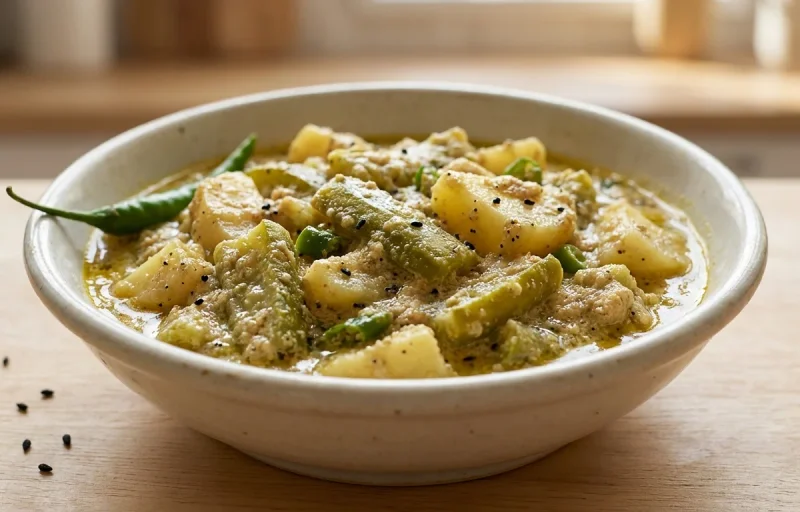
Nuts Seeds5 recipes
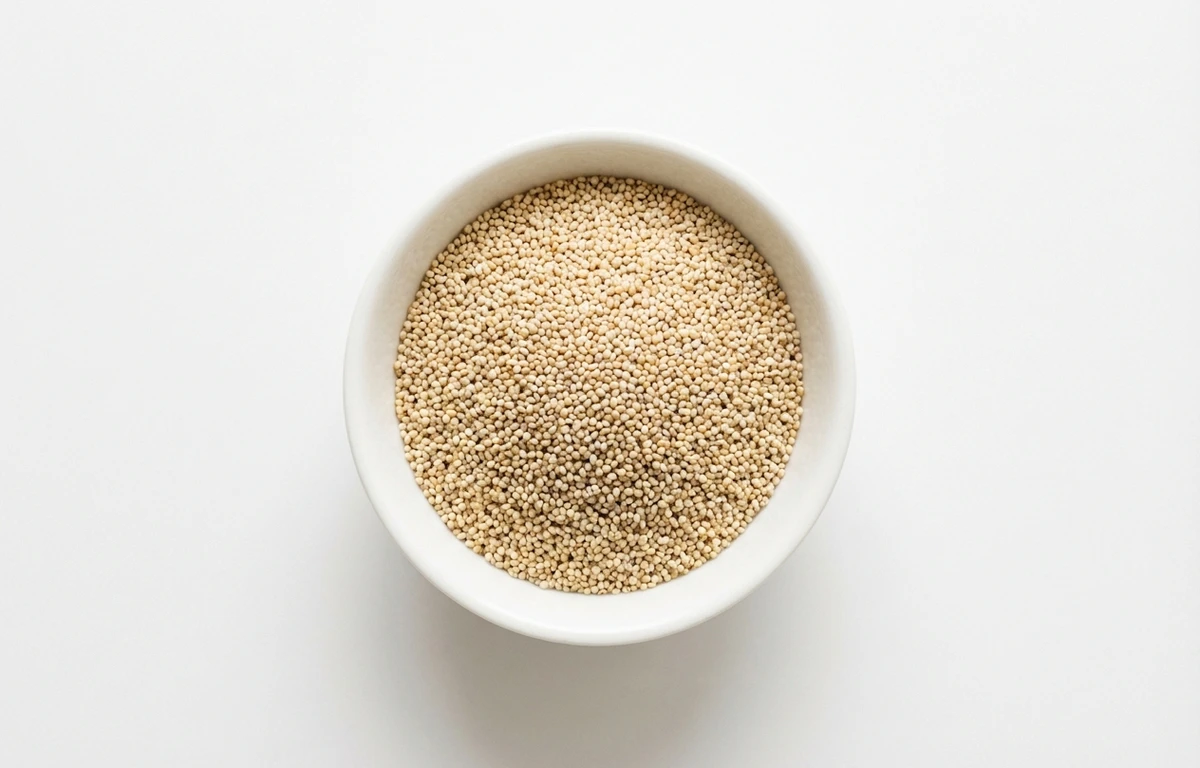
white poppy seeds.
VegetarianVeganGluten-freeDairy-freeNut-freePeanut-freeSoy-freeEgg-freeShellfish-freeHoney-freeAlcohol-free
ALSO KNOWN AS
postosafed postokhus khus
SERVING
CALORIES
525
PROTEIN
18g
CARBS
28.1g
FAT
41.6g
FIBER
19.5g
NUTRITION PROFILE · per 100 g
Everything in this ingredient.
MACRONUTRIENTS
Calories525kcal—
Protein18g36%
Carbohydrates28.1g10%
Fiber19.5g70%
Sugar3.0g6%
Total fat41.6g53%
Saturated fat4.5g23%
Trans fat0g—
Cholesterol0mg0%
Water6.0g—
MINERALS
Sodium26mg1%
Potassium719mg15%
Calcium1438mg111%
Iron9.8mg54%
Magnesium347mg83%
Phosphorus870mg70%
Zinc7.9mg72%
Copper1.6mg181%
Manganese6.7mg292%
Selenium13.5µg25%
VITAMINS
Vitamin A0µg0%
Vitamin C1.0mg1%
Vitamin D0µg0%
Vitamin E1.8mg12%
Vitamin K0µg0%
Thiamin (B1)0.85mg71%
Riboflavin (B2)0.10mg8%
Niacin (B3)0.90mg6%
Pantothenic acid (B5)0.32mg6%
Vitamin B60.25mg15%
Folate (B9)82µg21%
Vitamin B120µg0%
%DV based on a 2,000 cal diet. Source: USDA FoodData Central. A dash in the %DV column means there’s no established Daily Value for that nutrient.
MEASUREMENT CONVERSIONS
How much is what.
1 cup140g
1 tablespoon8.8g
1 teaspoon2.8g
1 ml0.6g
1 liter586.7g
HEALTH BENEFITS
Why eat it.
- ✓Rich source of minerals like calcium, magnesium, and manganese, which are crucial for bone health and metabolic function.
- ✓Contains healthy unsaturated fats, particularly oleic and linoleic acids, which may support heart health.
- ✓Good source of dietary fiber, aiding in digestion, promoting satiety, and helping to regulate blood sugar levels.
- ✓Provides antioxidants that help combat oxidative stress and cellular damage in the body.
COOKING TIPS
In the kitchen.
- 1Toast the seeds lightly in a dry pan over low heat until fragrant to enhance their nutty flavor before using.
- 2Grind soaked white poppy seeds into a fine paste (known as 'khus khus' paste) to use as a creamy thickener for curries, gravies, and kormas in Indian cuisine.
- 3Use whole as a topping for breads, cakes, and pastries to add a delicate crunch and mild, nutty taste.
- 4Soak the seeds in warm water or milk for at least 30 minutes before grinding to achieve a smoother paste.
STORAGE
Keep it fresh.
- Store in a cool, dark, and dry place in an airtight container for up to 6 months to prevent the oils from becoming rancid.
- For longer-term storage (up to a year), place the airtight container in the refrigerator or freezer.
FAQ
Frequently asked questions.
Are white poppy seeds healthy?
Yes, white poppy seeds are highly nutritious. They are an excellent source of essential minerals like calcium, magnesium, and manganese for bone health, and they provide healthy unsaturated fats that support cardiovascular wellness.
How much protein and fiber are in white poppy seeds?
White poppy seeds contain approximately 17.99g of protein and a significant amount of dietary fiber per 100g. This combination helps promote muscle maintenance, aids digestion, and keeps you feeling full for longer.
Are white poppy seeds keto-friendly?
Yes, white poppy seeds can be included in a keto diet. While they contain about 28g of carbs per 100g, the typical serving size is very small (1-2 tablespoons), making the net carb impact minimal for most low-carb lifestyles.
What is the difference between white and blue poppy seeds?
White poppy seeds are milder and less nutty than the blue variety. They are primarily used in Indian and Middle Eastern cuisines as a thickening agent for curries and sauces, whereas blue poppy seeds are more common in European baking.
Are white poppy seeds vegan and gluten-free?
Yes, white poppy seeds are naturally vegan and gluten-free. They are a safe and nutritious addition for individuals following plant-based diets or those with gluten sensitivities and celiac disease.
How do you use white poppy seeds in cooking?
They are often ground into a paste to thicken gravies and kormas or used whole to add texture to breads and cookies. Lightly toasting them in a dry pan before use can help release their delicate, nutty aroma.
Do I need to soak white poppy seeds before using them?
Soaking is recommended if you plan to grind them into a paste. Soaking the seeds in warm water for 30 to 60 minutes softens the outer shell, making it easier to achieve a smooth, creamy consistency for sauces.
How should I store white poppy seeds?
Store them in an airtight container in a cool, dark place to prevent the high oil content from turning rancid. They will last about 6 months in the pantry, or up to a year if kept in the refrigerator or freezer.
Can white poppy seeds cause a positive drug test?
Poppy seeds contain trace amounts of opiate alkaloids. While culinary use is generally safe, consuming very large quantities of poppy seeds shortly before a drug screening could potentially result in a false positive test.
Are white poppy seeds good for weight loss?
In moderation, they can support weight loss due to their high fiber and protein content, which increases satiety. However, they are calorie-dense (525 calories per 100g), so it is important to watch portion sizes.
RECIPES
Cook with white poppy seeds.
5 recipes · sorted by what’s quick