
Dairy
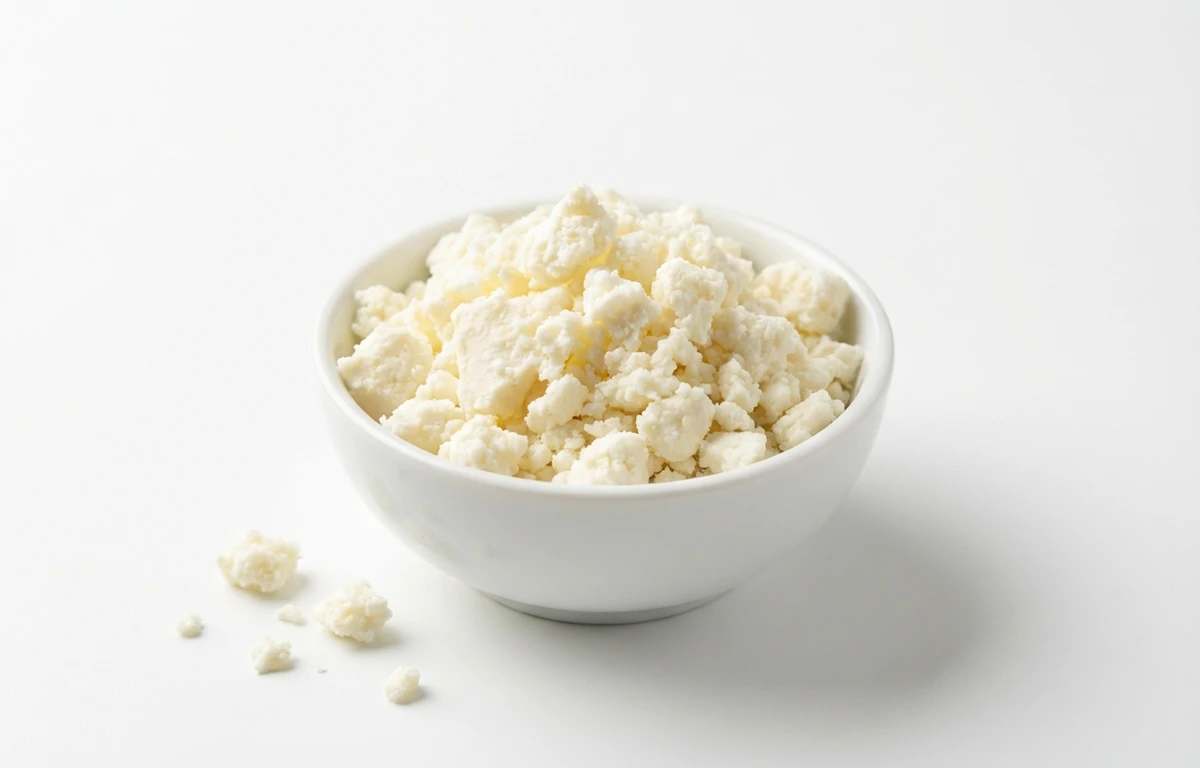
white queso blanco cheese.
VegetarianVeganGluten-freeDairy-freeNut-freePeanut-freeSoy-freeEgg-freeShellfish-freeHoney-freeAlcohol-freeFermented
ALSO KNOWN AS
queso blanco
SERVING
CALORIES
310
PROTEIN
20.5g
CARBS
3.2g
FAT
24g
FIBER
0g
NUTRITION PROFILE · per 100 g
Everything in this ingredient.
MACRONUTRIENTS
Calories310kcal—
Protein20.5g41%
Carbohydrates3.2g1%
Fiber0g0%
Sugar2.5g5%
Total fat24g31%
Saturated fat15.2g76%
Trans fat0.60g—
Cholesterol82mg27%
Water48.5g—
MINERALS
Sodium715mg31%
Potassium105mg2%
Calcium620mg48%
Iron0.20mg1%
Magnesium26mg6%
Phosphorus460mg37%
Zinc3.1mg28%
Copper0.03mg3%
Manganese0.01mg0%
Selenium14.8µg27%
VITAMINS
Vitamin A225µg25%
Vitamin C0mg0%
Vitamin D0.50µg3%
Vitamin E0.30mg2%
Vitamin K2.1µg2%
Thiamin (B1)0.03mg3%
Riboflavin (B2)0.36mg28%
Niacin (B3)0.10mg1%
Pantothenic acid (B5)0.42mg8%
Vitamin B60.05mg3%
Folate (B9)11µg3%
Vitamin B121.6µg67%
%DV based on a 2,000 cal diet. Source: USDA FoodData Central. A dash in the %DV column means there’s no established Daily Value for that nutrient.
MEASUREMENT CONVERSIONS
How much is what.
1 cup118g
1 tablespoon7.4g
1 teaspoon2.5g
1 ml0.5g
1 liter491.7g
HEALTH BENEFITS
Why eat it.
- ✓Excellent source of high-quality protein, essential for muscle repair and growth.
- ✓Rich in calcium and phosphorus, which are vital for maintaining strong bones and teeth.
- ✓Provides key vitamins like B12, important for nerve function and red blood cell formation.
- ✓Typically lower in sodium and fat compared to many aged cheeses, making it a healthier choice for cheese lovers.
COOKING TIPS
In the kitchen.
- 1Queso blanco softens with heat but does not melt into a smooth sauce, making it ideal for grilling or pan-frying in slices.
- 2Its crumbly texture is perfect for sprinkling over tacos, salads, soups, and enchiladas as a finishing cheese.
- 3To create a creamy dip, blend heated queso blanco with milk, cream, or evaporated milk and seasonings until smooth.
- 4Use as a filling for dishes like stuffed peppers, arepas, or tamales, as it holds its shape well when cooked.
STORAGE
Keep it fresh.
- Store in the refrigerator at or below 40°F (4°C) in its original packaging or an airtight container.
- Once opened, consume within 5 to 7 days for optimal freshness and to prevent spoilage.
FAQ
Frequently asked questions.
Is white queso blanco healthy?
Yes, queso blanco is a nutrient-dense dairy product that provides high-quality protein for muscle repair and growth. It is also rich in calcium and phosphorus for bone health and is typically lower in sodium than many aged cheeses.
How much protein and calories are in queso blanco?
A 100g serving of white queso blanco contains approximately 310 calories and 20.5g of protein. It also provides about 24g of fat and is very low in carbohydrates, containing only 3.2g per serving.
Does queso blanco melt when heated?
Traditional queso blanco does not melt completely; it softens but retains its shape when heated. This unique property makes it ideal for grilling, pan-frying, or crumbling over hot dishes without it turning into a liquid sauce.
Is queso blanco keto-friendly?
Yes, queso blanco is excellent for a ketogenic or low-carb diet. With only 3.2g of carbohydrates and 24g of fat per 100g, it provides a high-fat, high-protein profile that fits well within keto macros.
Is queso blanco gluten-free?
Pure queso blanco is naturally gluten-free as it is made from milk, salt, and an acidifying agent. However, always check the packaging for potential cross-contamination or additives if you have a severe gluten sensitivity.
What does queso blanco taste like?
It has a very mild, fresh, and slightly salty flavor with a firm, creamy texture. Because it is an unaged cheese, it lacks the sharpness of aged varieties, making it a perfect neutral base for spicy or savory dishes.
How should I store queso blanco and how long does it last?
Store it in the refrigerator in an airtight container or tightly wrapped in plastic. As a fresh cheese, it typically lasts about 1 to 2 weeks after opening; discard it if you notice mold or a sour, off-putting odor.
Can I freeze queso blanco?
You can freeze queso blanco for up to 3 months, but the texture may become crumbly or grainy once thawed. It is best used in cooked or baked dishes after freezing rather than being served fresh.
Is queso blanco lactose-free?
No, queso blanco is a dairy product and contains lactose. While the cheese-making process removes some lactose-rich whey, individuals with lactose intolerance should consume it with caution.
How do you use queso blanco in cooking?
It is most commonly crumbled over tacos, enchiladas, and salads, or sliced and pan-fried until the outside is golden and crispy. It is also a popular addition to soups and stews because it maintains its texture when heated.



















