
Other
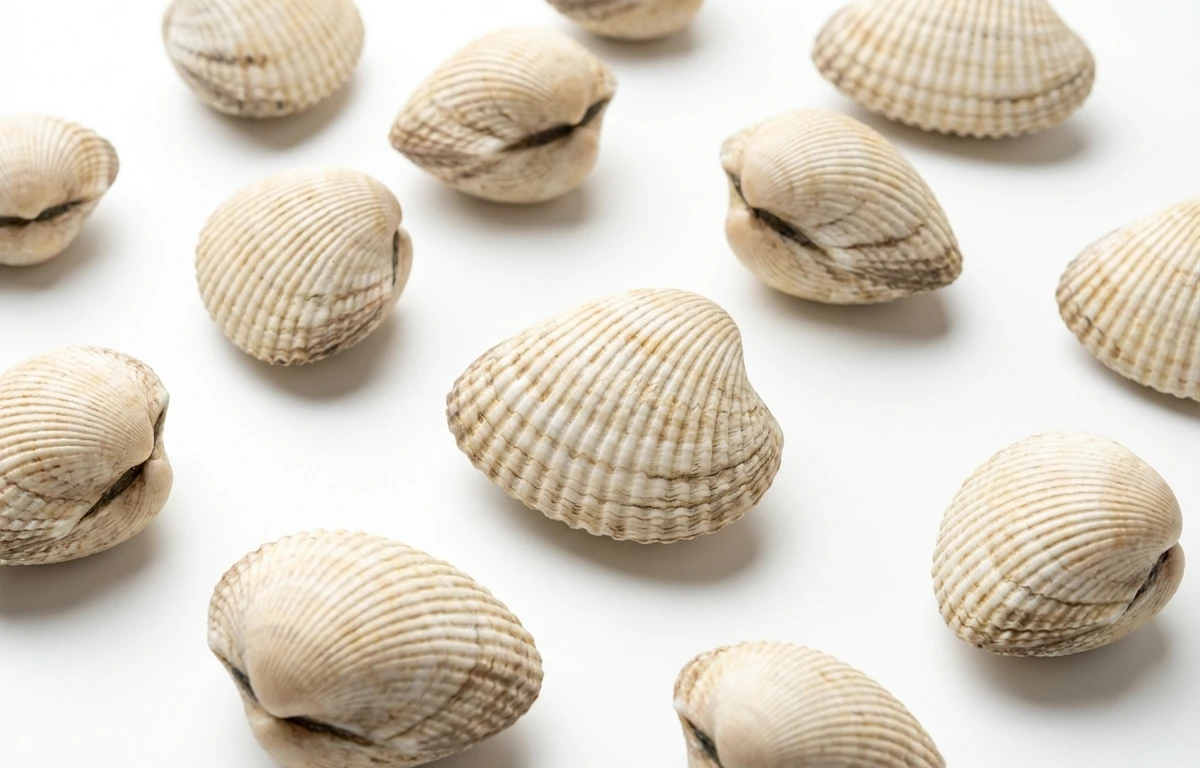
white shell ribbed clam.
VegetarianVeganGluten-freeDairy-freeNut-freePeanut-freeSoy-freeEgg-freeShellfish-freeHoney-freeAlcohol-freeKosher
SERVING
CALORIES
60
PROTEIN
11.8g
CARBS
0g
FAT
1.3g
FIBER
0g
This ingredient is flagged as naturally gluten-free. Per 100 g, it provides 1.5 µg of vitamin K.
NUTRITION PROFILE · per 100 g
Everything in this ingredient.
MACRONUTRIENTS
Calories59.8kcal—
Protein11.8g24%
Carbohydrates0g0%
Fiber0g0%
Sugar0g0%
Total fat1.3g2%
Saturated fat0.44g2%
Trans fat0g—
Cholesterol24mg8%
Water80.3g—
MINERALS
Sodium404mg18%
Potassium245mg5%
Calcium50mg4%
Iron0.94mg5%
Magnesium86.6mg21%
Phosphorus192mg15%
Zinc1.2mg11%
Copper0.31mg34%
Manganese0.22mg10%
Selenium32.8µg60%
VITAMINS
Vitamin A8.5µg1%
Vitamin C0mg0%
Vitamin D2.2µg11%
Vitamin E1.2mg8%
Vitamin K1.5µg1%
Thiamin (B1)0.06mg5%
Riboflavin (B2)0.11mg8%
Niacin (B3)0.90mg6%
Pantothenic acid (B5)0.97mg19%
Vitamin B6108mg6353%
Biotin (B7)900µg3000%
Folate (B9)0µg0%
%DV based on a 2,000 cal diet. Source: USDA FoodData Central. A dash in the %DV column means there’s no established Daily Value for that nutrient.
MEASUREMENT CONVERSIONS
How much is what.
1 oz28.4g
1 lb453.6g
1 piece25g
HEALTH BENEFITS
Why eat it.
- ✓Excellent source of lean protein, essential for muscle repair and growth.
- ✓High in Vitamin B12, crucial for nerve function and the formation of red blood cells.
- ✓Good source of omega-3 fatty acids, which support heart and brain health.
COOKING TIPS
In the kitchen.
- 1Before cooking, purge live clams by soaking them in cold, salted water for 20-60 minutes to expel sand and grit.
- 2Steam, boil, or sauté clams until their shells pop open, which usually takes 5-10 minutes. Discard any clams that do not open after cooking.
- 3Clams pair well with garlic, white wine, lemon, parsley, and chili flakes, making them ideal for pasta sauces, soups, and stews.
- 4Avoid overcooking, as the meat can become tough and rubbery. Remove them from the heat as soon as they open.
STORAGE
Keep it fresh.
- Store live clams in the refrigerator (34-40°F or 1-4°C) in a mesh bag or open container covered with a damp cloth. Do not store in a sealed container or water. Use within 1-2 days.
- Cooked clams can be stored in an airtight container in the refrigerator for up to 3 days.
- For longer storage, shucked clams can be frozen in their liquor or water for up to 3 months.
FAQ
Frequently asked questions.
How much protein is in white shell ribbed clams?
A 100g serving of white shell ribbed clams provides approximately 11.82g of protein. This makes them an efficient source of lean protein for muscle repair and growth with very little fat or calories.
Are white shell ribbed clams keto-friendly?
Yes, they are very keto-friendly as they contain 0g of carbohydrates per 100g. While they are low in fat, they can be easily incorporated into a ketogenic diet when prepared with healthy fats like butter or olive oil.
Are clams gluten-free?
Naturally, white shell ribbed clams are gluten-free. However, you should be cautious of preparation methods, as they are often served with pasta, breading, or thickened sauces that may contain gluten.
What do white shell ribbed clams taste like?
They have a mild, sweet, and slightly briny flavor with a firm yet tender texture. They are generally less 'fishy' than other types of seafood, making them a popular choice for pasta dishes and chowders.
How do you cook white shell ribbed clams?
The most common method is steaming them in a covered pot with a little liquid, such as white wine or broth, until the shells pop open. They usually cook in 5 to 10 minutes; discard any clams that do not open after cooking.
Do I need to purge white shell ribbed clams before cooking?
Yes, it is highly recommended to soak them in cool salt water for 20 to 30 minutes before cooking. This allows the clams to filter out any sand or grit trapped inside their shells for a better eating experience.
How do you store fresh white shell ribbed clams?
Store live clams in the refrigerator in an open bowl covered with a damp cloth to keep them moist. Never store them in an airtight container or submerged in fresh water, as they need to breathe to stay alive.
How can you tell if a clam is bad?
Before cooking, tap any open shells; if they don't close, the clam is dead and should be discarded. After cooking, any clams that remain tightly closed should also be thrown away as they were likely dead before cooking.



















