Other10 recipes
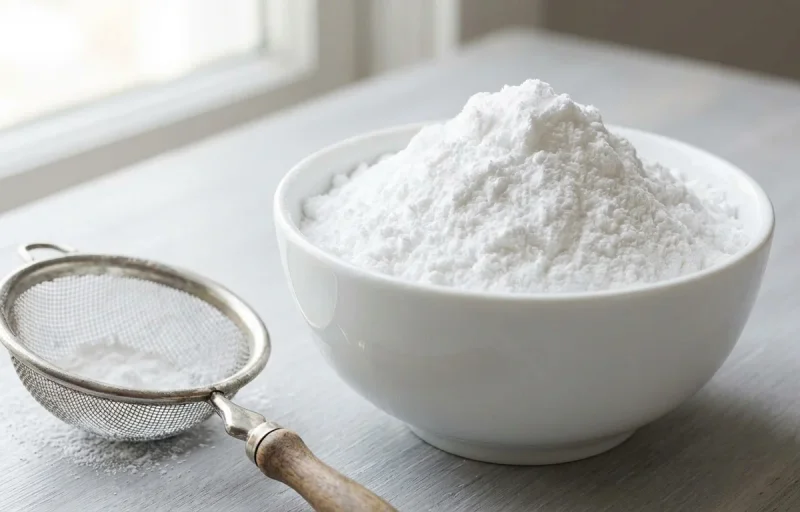
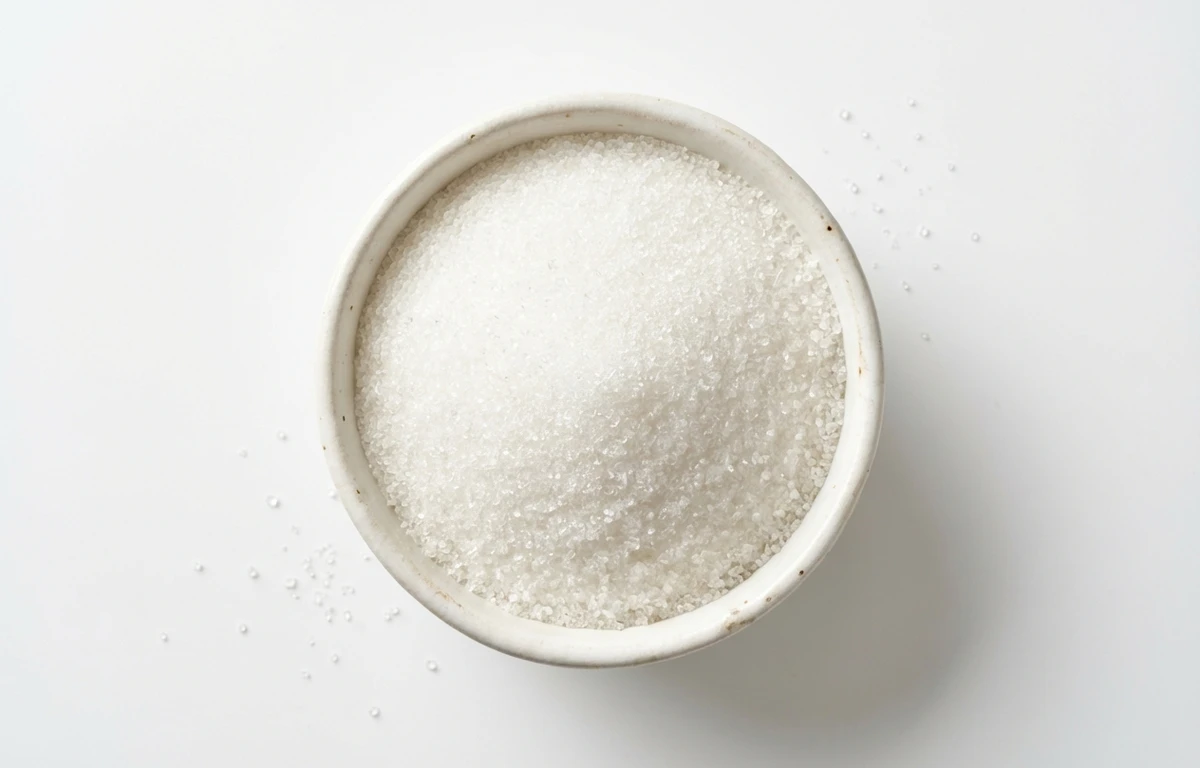
white sugar.
VegetarianVeganGluten-freeDairy-freeNut-freePeanut-freeSoy-freeEgg-freeShellfish-freeHoney-freeAlcohol-free
ALSO KNOWN AS
refined sugartable sugargranulated sugarsucrosesugarwhite sugar
SERVING
CALORIES
387
PROTEIN
0g
CARBS
100g
FAT
0g
FIBER
0g
NUTRITION PROFILE · per 100 g
Everything in this ingredient.
MACRONUTRIENTS
Calories387kcal—
Protein0g0%
Carbohydrates100g36%
Fiber0g0%
Sugar100g200%
Total fat0g0%
Saturated fat0g0%
Cholesterol0mg0%
Water0.03g—
MINERALS
Sodium1.0mg0%
Potassium2.0mg0%
Calcium1.0mg0%
Iron0.01mg0%
Magnesium0mg0%
Phosphorus0mg0%
Zinc0mg0%
Copper0mg0%
Manganese0mg0%
Selenium0µg0%
VITAMINS
Vitamin A0µg0%
Vitamin C0mg0%
Vitamin D0µg0%
Vitamin E0mg0%
Vitamin K0µg0%
Thiamin (B1)0mg0%
Riboflavin (B2)0mg0%
Niacin (B3)0mg0%
Pantothenic acid (B5)0mg0%
Vitamin B60mg0%
Folate (B9)0µg0%
Vitamin B120µg0%
%DV based on a 2,000 cal diet. Source: USDA FoodData Central. A dash in the %DV column means there’s no established Daily Value for that nutrient.
MEASUREMENT CONVERSIONS
How much is what.
1 cup200g
1 tablespoon12.5g
1 teaspoon4g
1 ml0.9g
1 liter833.3g
HEALTH BENEFITS
Why eat it.
- ✓Provides a rapid source of glucose for immediate energy.
- ✓Acts as a preservative in jams, jellies, and cured meats by inhibiting microbial growth.
- ✓Improves the palatability of certain foods, which can encourage consumption of otherwise bitter or sour nutrient-dense ingredients.
- ✓Used in oral rehydration solutions to facilitate the absorption of electrolytes and water during dehydration.
COOKING TIPS
In the kitchen.
- 1When creaming with butter for baked goods, beat until light and fluffy to incorporate air, which acts as a leavener.
- 2To make a simple syrup, use a 1:1 ratio of sugar to water and heat just until the sugar is fully dissolved.
- 3For caramel, heat sugar evenly in a heavy-bottomed pan and resist stirring until it begins to melt and liquefy to prevent crystallization.
- 4In marinades and brines, sugar helps to balance saltiness and acidity while also promoting browning during cooking.
STORAGE
Keep it fresh.
- Store indefinitely in a cool, dry place in an airtight container to prevent it from hardening or absorbing moisture.
- Keep away from strong-smelling foods like onions or spices, as sugar can absorb odors.
- If sugar becomes hard, place a slice of bread or a damp paper towel in the container for a day to soften it.
FAQ
Frequently asked questions.
Is white sugar healthy?
White sugar provides a rapid source of glucose for immediate energy but lacks essential vitamins, minerals, and fiber. While it can be part of a balanced diet, excessive consumption is linked to health issues like tooth decay, obesity, and increased risk of type 2 diabetes.
How many calories and carbs are in white sugar?
White sugar is a pure carbohydrate, containing approximately 387 calories and 100 grams of carbohydrates per 100 grams. It contains zero protein, zero fat, and no dietary fiber.
Is white sugar vegan?
While sugar itself comes from plants, some refined white sugar is processed using bone char to achieve its bright white color. Many vegans choose certified organic sugar or sugar labeled as 'unrefined' to ensure no animal products were used in processing.
Is white sugar keto-friendly?
No, white sugar is not keto-friendly. It is 100% carbohydrates and has a high glycemic index, which causes a rapid spike in blood glucose and insulin levels, effectively stopping the state of ketosis.
Can diabetics eat white sugar?
Diabetics should strictly limit white sugar intake because it causes rapid increases in blood sugar levels. It is generally recommended to use low-glycemic sweeteners or consult a healthcare provider for personalized dietary advice.
What is the role of white sugar in baking besides adding sweetness?
In baking, sugar helps with browning through caramelization, tenderizes the crumb by slowing gluten development, and retains moisture to keep baked goods fresh. It also provides food for yeast, helping bread dough rise.
Can I substitute white sugar with honey or maple syrup?
Yes, but because these are liquids, you should use about 3/4 cup for every 1 cup of sugar and reduce other liquids in the recipe by about 2-3 tablespoons. Liquid sweeteners also brown faster, so you may need to lower the oven temperature slightly.
How should I store white sugar to prevent clumping?
Store white sugar in an airtight container in a cool, dry place. Moisture is the primary cause of clumping and hardening; if it does harden, you can often soften it by placing a piece of bread or a damp paper towel in the container for 24 hours.
Does white sugar expire?
White sugar has an indefinite shelf life because it does not support microbial growth. While it may change texture or clump over time due to humidity, it remains safe to consume as long as it is kept free of pests and contaminants.
Why is white sugar used in preserves like jam and jelly?
Sugar acts as a preservative by inhibiting microbial growth through a process that draws water out of bacteria. It also interacts with pectin and fruit acids to create the gel-like consistency necessary for jams and jellies.
RECIPES
Cook with white sugar.
10 recipes · sorted by what’s quick