seafood1 recipes
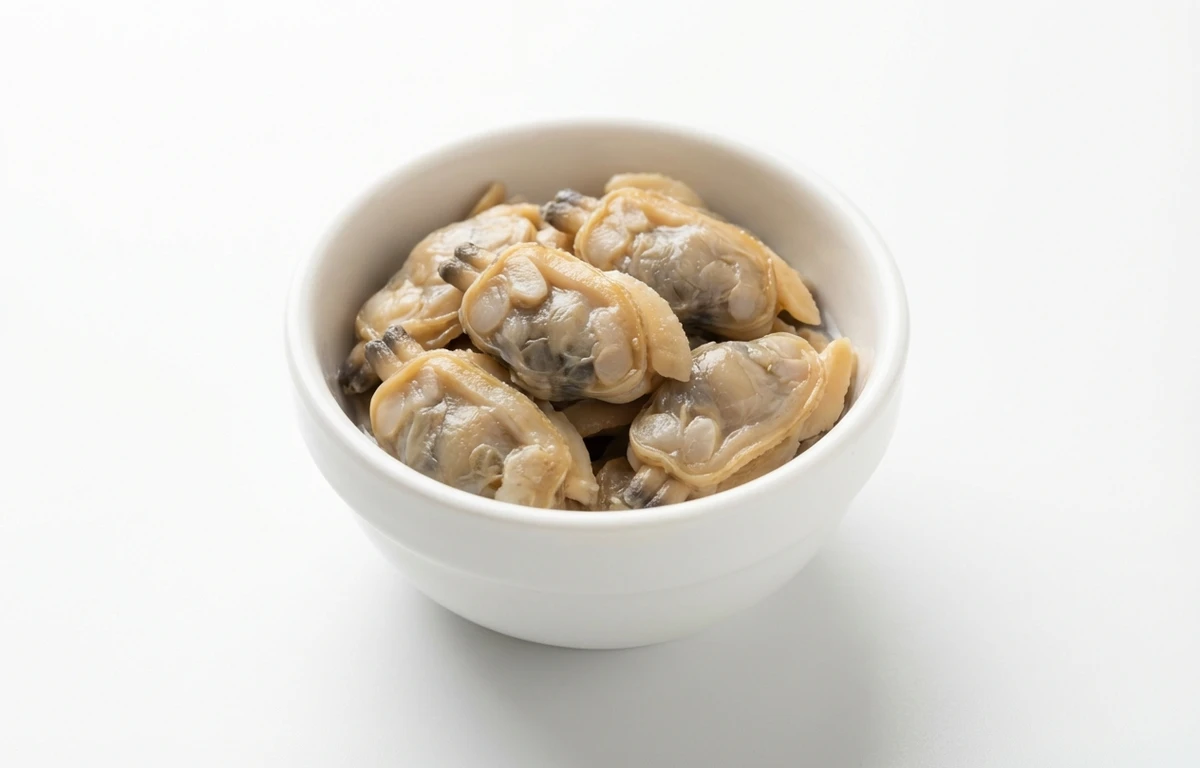
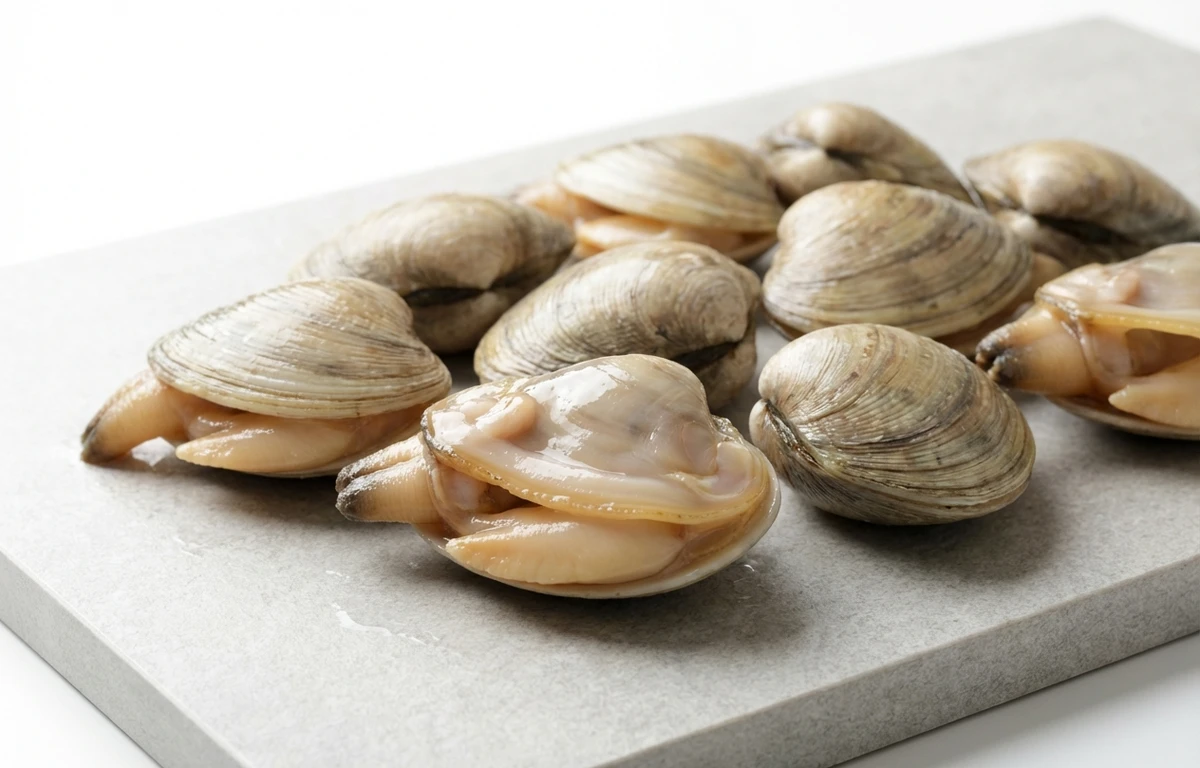
whole-belly clams.
VegetarianVeganGluten-freeDairy-freeNut-freePeanut-freeSoy-freeEgg-freeShellfish-freeHoney-freeAlcohol-free
SERVING
CALORIES
74
PROTEIN
12.8g
CARBS
3.5g
FAT
0.90g
FIBER
0g
NUTRITION PROFILE · per 100 g
Everything in this ingredient.
MACRONUTRIENTS
Calories74kcal—
Protein12.8g26%
Carbohydrates3.5g1%
Fiber0g0%
Sugar0g0%
Total fat0.90g1%
Saturated fat0.15g1%
Trans fat0g—
Cholesterol34mg11%
Water81.5g—
MINERALS
Sodium296mg13%
Potassium218mg5%
Calcium51mg4%
Iron13.9mg77%
Magnesium51mg12%
Phosphorus198mg16%
Zinc1.1mg10%
Copper0.20mg22%
Manganese0.10mg4%
Selenium22.1µg40%
VITAMINS
Vitamin A10µg1%
Vitamin C13.1mg15%
Vitamin D0µg0%
Vitamin E0.50mg3%
Vitamin K0.10µg0%
Thiamin (B1)0.15mg13%
Riboflavin (B2)0.20mg15%
Niacin (B3)1.7mg11%
Pantothenic acid (B5)0.30mg6%
Vitamin B60.08mg5%
Folate (B9)16µg4%
Vitamin B1298.9µg4121%
%DV based on a 2,000 cal diet. Source: USDA FoodData Central. A dash in the %DV column means there’s no established Daily Value for that nutrient.
MEASUREMENT CONVERSIONS
How much is what.
1 oz3.5g
1 lb0.2g
1 piece4g
HEALTH BENEFITS
Why eat it.
- ✓Excellent source of lean protein.
- ✓Extremely rich in Vitamin B12, essential for nerve function and red blood cell formation.
- ✓High in iron, crucial for oxygen transport and preventing anemia.
- ✓Good source of selenium, an important antioxidant.
- ✓Contains omega-3 fatty acids, beneficial for heart health.
COOKING TIPS
In the kitchen.
- 1Before cooking, scrub clams thoroughly under cold running water and discard any that are open and do not close when tapped.
- 2Clams can be steamed, fried, baked, or added to soups and stews.
- 3Cook until shells open; discard any that remain closed after cooking.
STORAGE
Keep it fresh.
- Store live clams in the refrigerator in an open container covered with a damp cloth, not in airtight bags or water.
- Consume live clams within 1-2 days of purchase.
- Cooked clams can be stored in an airtight container in the refrigerator for up to 3-4 days.
FAQ
Frequently asked questions.
Are whole-belly clams healthy?
Yes, whole-belly clams are a nutrient-dense seafood choice. They are an excellent source of lean protein and are exceptionally high in Vitamin B12 and iron, which support nerve function and energy levels while remaining low in total fat.
How much protein and calories are in whole-belly clams?
A 100g serving of whole-belly clams contains approximately 74 calories and 12.8g of protein. This high protein-to-calorie ratio makes them an efficient fuel source for muscle maintenance and overall health.
Are whole-belly clams keto-friendly?
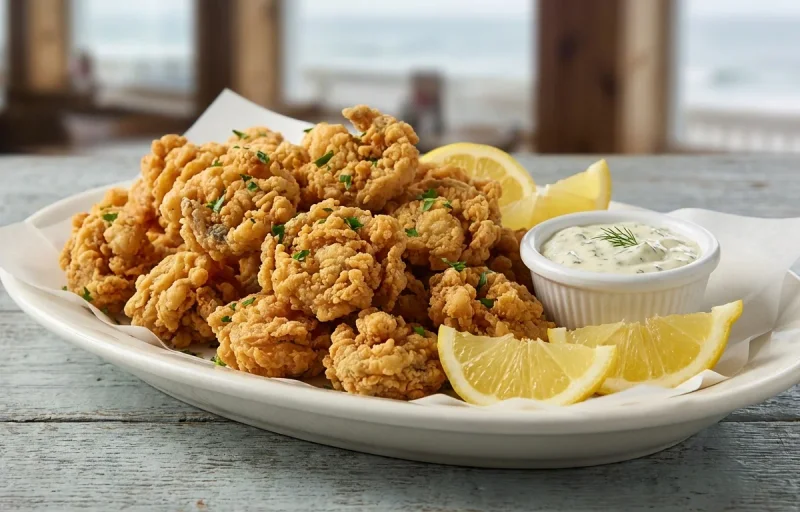
Yes, with only 3.5g of carbohydrates per 100g, they are suitable for a ketogenic diet. However, be cautious of preparation methods, as they are traditionally breaded and deep-fried, which significantly increases the carb count.
What is the difference between whole-belly clams and clam strips?
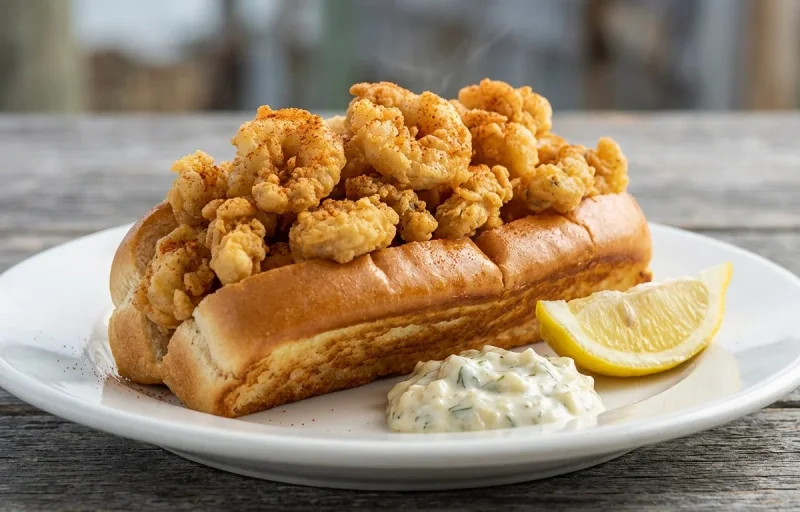
Whole-belly clams include the entire organism, including the tender, flavorful 'belly,' resulting in a rich, briny taste. Clam strips are sliced pieces of the foot of larger surf clams, which are chewier and have a much milder flavor profile.
What are the main health benefits of eating whole-belly clams?
They are a powerhouse of Vitamin B12 for red blood cell formation and iron for oxygen transport. Additionally, they provide selenium for antioxidant protection and omega-3 fatty acids, which are beneficial for heart health.
How do you clean and prepare whole-belly clams?
Soak the clams in cold salt water for 20-30 minutes to allow them to purge sand and grit. Scrub the shells with a stiff brush and discard any clams that are cracked or remain open after being tapped, as they may no longer be alive.
What do whole-belly clams taste like?
They have a complex, savory, and intensely briny flavor that tastes like the ocean. The texture is a unique combination of the slightly chewy neck and the soft, creamy consistency of the belly.
How should fresh whole-belly clams be stored?
Store them in the refrigerator in a bowl covered with a damp cloth to keep them moist. Never store them in an airtight container or submerged in fresh water, as they are living organisms that need to breathe.
How can you tell if whole-belly clams have gone bad?
Fresh clams should have a clean, salty scent; a strong 'fishy' or ammonia-like odor is a sign of spoilage. If a raw clam's shell is open and does not snap shut when tapped, it is dead and should be thrown away to avoid foodborne illness.
Are whole-belly clams gluten-free?
In their natural state, clams are 100% gluten-free. However, because they are most frequently served fried in a batter or breading, those with gluten sensitivities should confirm the coating ingredients or opt for steamed preparations.
RECIPES
Cook with whole-belly clams.
1 recipes · sorted by what’s quick