
Dairy1 recipes
whole buffalo milk.
VegetarianVeganGluten-freeDairy-freeNut-freePeanut-freeSoy-freeEgg-freeShellfish-freeHoney-freeAlcohol-free
SERVING
CALORIES
107
PROTEIN
3.7g
CARBS
8.4g
FAT
6.6g
FIBER
0g
NUTRITION PROFILE · per 100 g
Everything in this ingredient.
MACRONUTRIENTS
Calories107kcal—
Protein3.7g7%
Carbohydrates8.4g3%
Fiber0g0%
Sugar5.3g11%
Total fat6.6g8%
Saturated fat4.6g23%
Trans fat0g—
Cholesterol0mg0%
Water80.7g—
MINERALS
Sodium30.1mg1%
Potassium109mg2%
Calcium121mg9%
Iron0.16mg1%
Magnesium10.1mg2%
Phosphorus86.9mg7%
Zinc0.30mg3%
Copper0.03mg3%
Manganese0.01mg0%
Selenium1.4µg3%
VITAMINS
Vitamin A8.4µg1%
Vitamin C2.4mg3%
Vitamin D1.6µg8%
Vitamin E0.19mg1%
Vitamin K0µg0%
Thiamin (B1)0.05mg4%
Riboflavin (B2)0.13mg10%
Niacin (B3)0.07mg0%
Pantothenic acid (B5)0.38mg8%
Vitamin B60.04mg2%
Biotin (B7)2.2µg7%
Folate (B9)8.6µg2%
%DV based on a 2,000 cal diet. Source: USDA FoodData Central. A dash in the %DV column means there’s no established Daily Value for that nutrient.
MEASUREMENT CONVERSIONS
How much is what.
1 cup244.2g
1 tablespoon15.3g
1 teaspoon5.1g
1 oz28.4g
1 lb453.6g
1 ml1g
1 liter1032g
HEALTH BENEFITS
Why eat it.
- ✓Higher in protein, fat, and calcium than cow's milk, supporting bone health and muscle development.
- ✓Rich source of minerals like magnesium, potassium, and phosphorus, essential for heart health and metabolic function.
- ✓Contains beneficial antioxidants such as tocopherol and peroxidase, which help protect the body from oxidative stress.
- ✓Naturally contains A2 beta-casein protein, which may be easier for some individuals to digest compared to the A1 protein found in most cow's milk.
COOKING TIPS
In the kitchen.
- 1Its high fat and protein content makes it ideal for creating exceptionally rich and creamy cheeses, such as mozzarella di bufala and paneer.
- 2When heating, use a low to medium temperature and stir constantly to prevent a skin from forming and to avoid scorching on the bottom of the pan.
- 3Excellent for making thick yogurt, decadent desserts like kheer or panna cotta, and rich, creamy sauces.
- 4Can be substituted for whole cow's milk in baking and cooking for a richer flavor and denser texture.
STORAGE
Keep it fresh.
- Refrigerate promptly at or below 40°F (4°C) in its original container, away from the refrigerator door to maintain a consistent temperature.
- For best quality, consume within 5-7 days after opening. It can also be frozen for up to 3 months, though texture may change upon thawing.
FAQ
Frequently asked questions.
Is buffalo milk healthier than cow's milk?
Buffalo milk is more nutrient-dense, containing more protein, calcium, and minerals than cow's milk. However, it is also significantly higher in fat and calories (107 kcal per 100g), making it a better choice for those needing extra energy or nutrients rather than those on a strict low-calorie diet.
How much protein and fat are in buffalo milk?
Per 100g, whole buffalo milk contains approximately 3.68g of protein and 6.58g of fat. This high fat content provides a rich, creamy texture, while the protein levels are excellent for supporting muscle development and repair.
Is buffalo milk easier to digest than cow's milk?
Many people find buffalo milk easier to digest because it naturally contains A2 beta-casein protein rather than the A1 protein found in most commercial cow's milk. However, it still contains lactose, so it is not suitable for individuals with a diagnosed lactose intolerance.
Is buffalo milk keto-friendly?
While buffalo milk is high in healthy fats (6.58g per 100g), it also contains about 8.39g of carbohydrates per 100g. It can be included in a keto diet in very small amounts, but the carb count is higher than heavy cream, so it must be tracked carefully.
What are the best culinary uses for buffalo milk?
Due to its high fat and solids content, buffalo milk is ideal for making rich desserts like puddings, ice cream, and traditional mozzarella cheese. It creates a much thicker, creamier consistency in coffee and tea compared to standard cow's milk.
What does buffalo milk taste like?
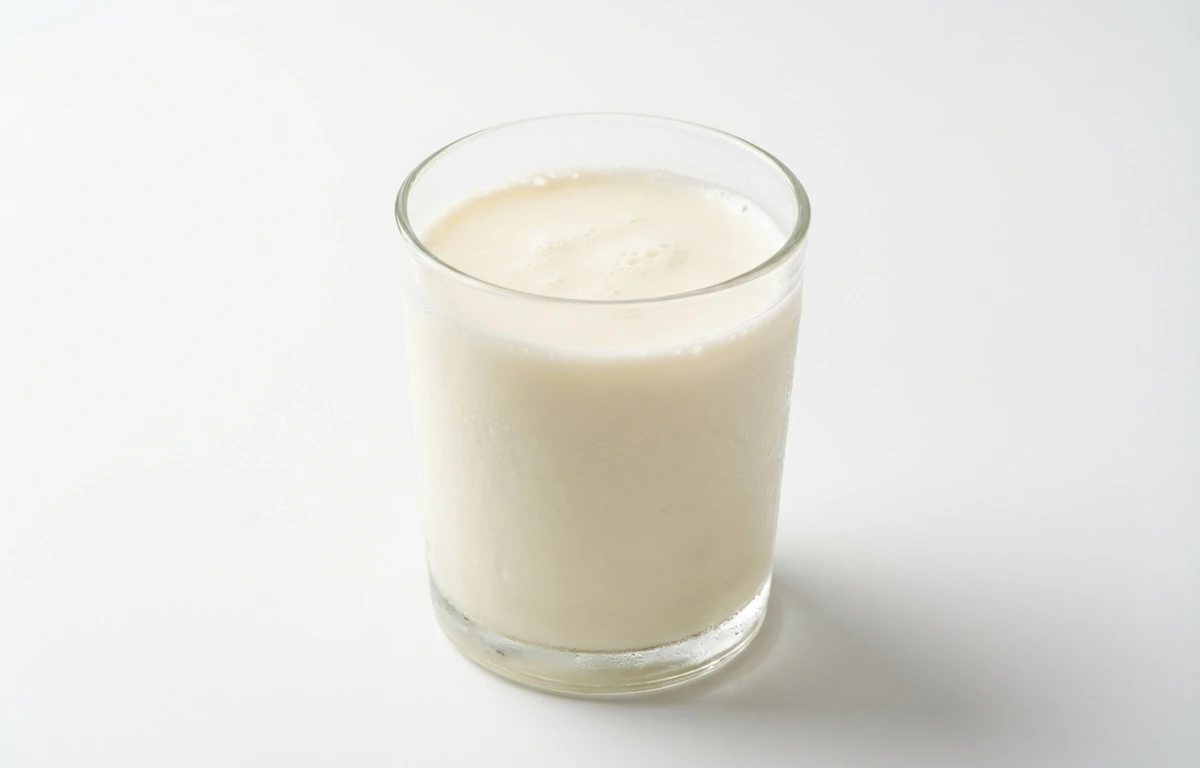
Buffalo milk has a rich, creamy, and slightly sweet flavor profile. It is noticeably thicker and more viscous than cow's milk and appears pure white because it lacks the beta-carotene that gives cow's milk a slight yellowish tint.
Can buffalo milk help with bone health?
Yes, buffalo milk is an excellent source of calcium, magnesium, potassium, and phosphorus. These minerals are essential for maintaining bone density and strength, as well as supporting overall heart health and metabolic function.
How should I store buffalo milk and how long does it last?
Buffalo milk should be kept refrigerated at or below 40°F (4°C). Because of its high natural peroxidase activity, it often has a slightly longer shelf life than cow's milk, typically lasting 7 to 10 days after opening if kept properly chilled.
Is buffalo milk good for weight loss?
Because it contains about 107 calories per 100g, buffalo milk is quite calorie-dense. While its high protein content can promote satiety, those focusing on weight loss should consume it in moderation and account for the higher fat content in their daily caloric totals.
Can I freeze buffalo milk?
Yes, you can freeze buffalo milk for up to three months. However, the high fat content may cause some separation or a slight change in texture upon thawing; shaking it vigorously or using a blender after it thaws can help restore its original consistency.
RECIPES
Cook with whole buffalo milk.
1 recipes · sorted by what’s quick



















