Other10 recipes
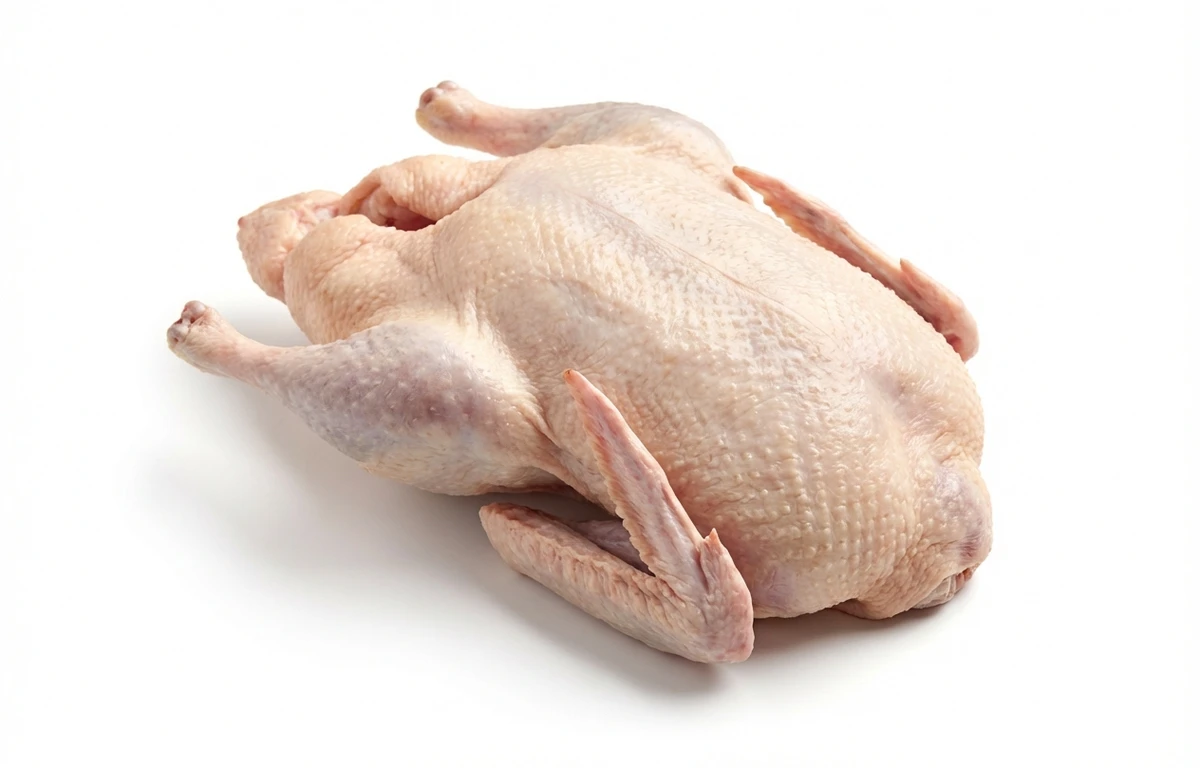
whole duck.
VegetarianVeganGluten-freeDairy-freeNut-freePeanut-freeSoy-freeEgg-freeShellfish-freeHoney-freeAlcohol-free
ALSO KNOWN AS
duckmallard
SERVING
CALORIES
404
PROTEIN
11.5g
CARBS
0g
FAT
39.3g
FIBER
0g
NUTRITION PROFILE · per 100 g
Everything in this ingredient.
MACRONUTRIENTS
Calories404kcal—
Protein11.5g23%
Carbohydrates0g0%
Fiber0g0%
Sugar0g0%
Total fat39.3g50%
Saturated fat13.2g66%
Cholesterol76mg25%
Water48.5g—
MINERALS
Sodium63mg3%
Potassium209mg4%
Calcium11mg1%
Iron2.4mg13%
Magnesium15mg4%
Phosphorus139mg11%
Zinc1.4mg12%
Copper0.24mg27%
Manganese0.02mg1%
Selenium12.4µg23%
VITAMINS
Vitamin A50µg6%
Vitamin C2.8mg3%
Vitamin D0.70µg3%
Vitamin E0.70mg5%
Vitamin K5.5µg5%
Thiamin (B1)0.20mg17%
Riboflavin (B2)0.21mg16%
Niacin (B3)3.9mg25%
Pantothenic acid (B5)0.95mg19%
Vitamin B60.19mg11%
Folate (B9)13µg3%
Vitamin B120.25µg10%
%DV based on a 2,000 cal diet. Source: USDA FoodData Central. A dash in the %DV column means there’s no established Daily Value for that nutrient.
MEASUREMENT CONVERSIONS
How much is what.
1 piece2500g
HEALTH BENEFITS
Why eat it.
- ✓Excellent source of high-quality complete protein, essential for muscle building and repair.
- ✓Rich in B vitamins, particularly niacin (B3) and pyridoxine (B6), which support energy metabolism and nervous system function.
- ✓Provides significant amounts of selenium, an antioxidant that helps protect cells from damage, and iron, crucial for oxygen transport in the blood.
- ✓Duck fat contains a high proportion of monounsaturated fatty acids, which can be beneficial for heart health when consumed in moderation.
COOKING TIPS
In the kitchen.
- 1Score the skin in a crosshatch pattern before cooking, being careful not to cut the meat. This allows the fat to render out, resulting in very crispy skin.
- 2For roasting, start at a high temperature (e.g., 400°F / 200°C) for 20-30 minutes to crisp the skin, then reduce the heat to finish cooking the meat to a safe internal temperature (165°F / 74°C).
- 3Collect the rendered duck fat during cooking. It is a prized cooking fat, perfect for roasting potatoes or sautéing vegetables with incredible flavor.
- 4Rest the cooked duck for 10-15 minutes before carving to allow the juices to redistribute, ensuring a more moist and tender result.
STORAGE
Keep it fresh.
- Store fresh whole duck in the coldest part of the refrigerator (below 40°F / 4°C) and cook within 1-2 days of purchase.
- For long-term storage, freeze the duck in its original packaging or an airtight freezer bag at 0°F (-18°C) for up to 6 months.
- Thaw a frozen duck safely in the refrigerator over 1-2 days; never thaw at room temperature.
FAQ
Frequently asked questions.
Is whole duck healthy?
Whole duck is a nutrient-dense protein source rich in B vitamins, iron, and selenium. While it is higher in calories and fat than chicken, much of that fat is monounsaturated, which can be heart-healthy when consumed in moderation. It is an excellent choice for muscle repair and supporting the nervous system.
How much protein and fat are in whole duck?
A 100g serving of whole duck provides approximately 11.49g of protein and 39.34g of fat. Because of this high fat content, it is calorie-dense, containing about 404 calories per 100g.
Is whole duck keto-friendly?
Yes, whole duck is highly keto-friendly as it contains zero carbohydrates and a high proportion of fat. It is an ideal protein source for those following a ketogenic or strict low-carb lifestyle.
What does duck taste like compared to chicken?
Duck has a much richer, more intense flavor than chicken, often described as more similar to red meat. The meat is darker and more succulent due to the high fat content, and the skin is thicker and more flavorful when rendered correctly.
How do you get crispy skin on a whole roasted duck?
To achieve crispy skin, prick the skin all over with a needle (avoiding the meat) to help the fat render out. Pouring boiling water over the skin to tighten it and then letting the duck air-dry in the fridge for 24 hours before roasting also produces excellent results.
Is duck gluten-free?
Raw whole duck is naturally gluten-free. However, if you are buying a pre-marinated duck or ordering it at a restaurant (like Peking duck), be aware that glazes often contain soy sauce or hoisin, which usually contain wheat.
How long can you store a whole duck?
Fresh whole duck should be stored in the coldest part of the refrigerator and cooked within 1 to 2 days. If frozen, a whole duck will maintain its best quality for about 6 to 12 months, though it remains safe to eat as long as it stays frozen at 0°F.
Is duck fat better for you than other animal fats?
Duck fat is unique because it contains a high percentage of monounsaturated fats, similar to olive oil, which are considered heart-healthy. While it is still high in calories, it is often preferred over butter or lard for its nutritional profile and high smoke point.
How do you know if a whole duck has spoiled?
Spoiled duck will have a distinct sour or off-putting odor and the skin may feel slimy or sticky to the touch. If the meat has turned a greyish or greenish hue, it should be discarded immediately.
Do I need to stuff a whole duck before roasting?
While you can stuff a duck, it is often better to leave the cavity empty or fill it with aromatics like citrus and herbs. Leaving the cavity open allows the heat to circulate better, ensuring the fat renders properly and the meat cooks evenly without becoming greasy.
RECIPES
Cook with whole duck.
10 recipes · sorted by what’s quick