Grain
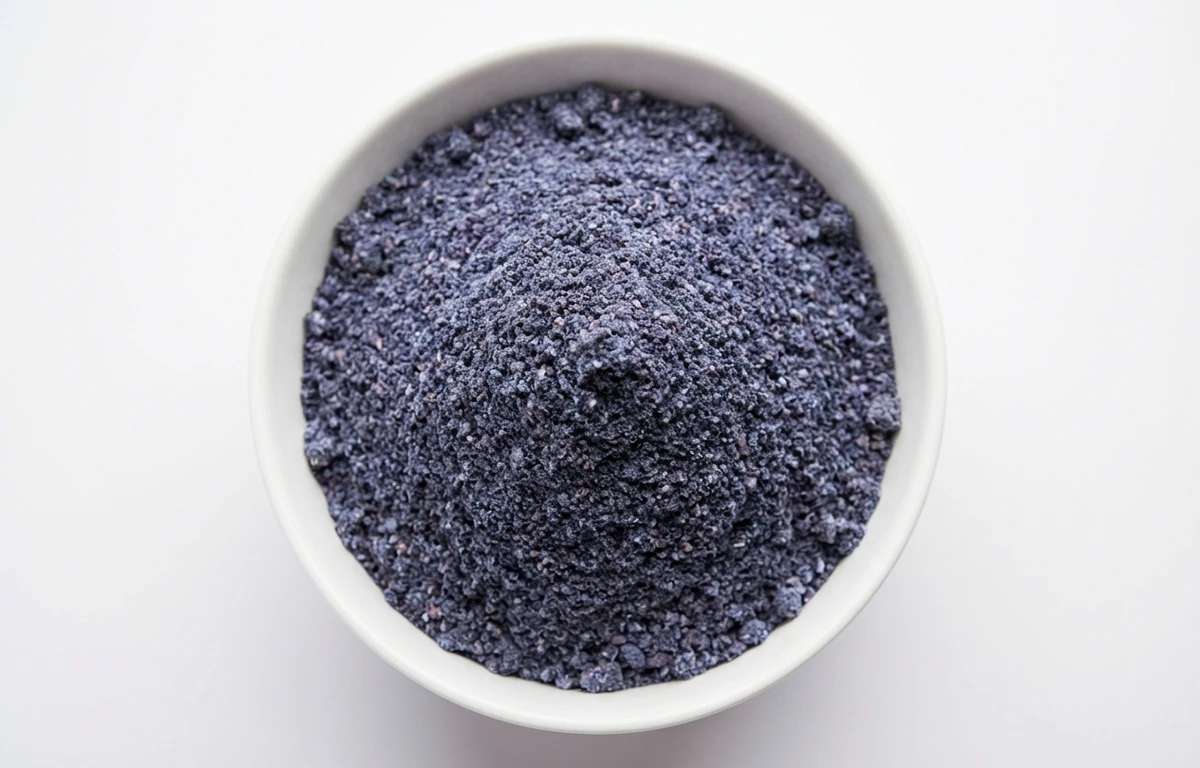
whole-grain blue corn flour.
VegetarianVeganGluten-freeDairy-freeNut-freePeanut-freeSoy-freeEgg-freeShellfish-freeHoney-freeAlcohol-freeWhole grain
SERVING
CALORIES
365
PROTEIN
9.1g
CARBS
74.5g
FAT
4.5g
FIBER
10.5g
NUTRITION PROFILE · per 100 g
Everything in this ingredient.
MACRONUTRIENTS
Calories365kcal—
Protein9.1g18%
Carbohydrates74.5g27%
Fiber10.5g38%
Sugar1.2g2%
Total fat4.5g6%
Saturated fat0.60g3%
Trans fat0g—
Cholesterol0mg0%
Water10g—
MINERALS
Sodium5.0mg0%
Potassium315mg7%
Calcium15mg1%
Iron3.5mg19%
Magnesium127mg30%
Phosphorus272mg22%
Zinc2.2mg20%
Copper0.30mg33%
Manganese0.50mg22%
Selenium15.4µg28%
VITAMINS
Vitamin A11µg1%
Vitamin C0mg0%
Vitamin D0µg0%
Vitamin E0.40mg3%
Vitamin K0.30µg0%
Thiamin (B1)0.38mg32%
Riboflavin (B2)0.20mg15%
Niacin (B3)3.6mg23%
Pantothenic acid (B5)0.40mg8%
Vitamin B60.60mg35%
Folate (B9)25µg6%
Vitamin B120µg0%
%DV based on a 2,000 cal diet. Source: USDA FoodData Central. A dash in the %DV column means there’s no established Daily Value for that nutrient.
MEASUREMENT CONVERSIONS
How much is what.
1 cup120g
1 tablespoon8g
1 teaspoon2.5g
1 ml0.5g
1 liter533.3g
HEALTH BENEFITS
Why eat it.
- ✓Rich in anthocyanins, powerful antioxidants that may help reduce inflammation and protect against chronic diseases.
- ✓High in dietary fiber, which supports digestive health, promotes satiety, and helps regulate blood sugar levels.
- ✓Has a lower glycemic index compared to refined corn products, leading to a slower impact on blood sugar.
- ✓Provides essential minerals such as iron, magnesium, and manganese.
COOKING TIPS
In the kitchen.
- 1Blue corn flour has a distinct nutty and slightly sweet flavor, ideal for traditional dishes like tortillas, atole, cornbread, and chips.
- 2It tends to absorb more liquid than yellow or white cornmeal; you may need to increase the liquid in your recipe for the correct consistency.
- 3Due to its lack of gluten, it creates a denser, more crumbly texture in baked goods. For lighter results, combine it with a gluten-containing flour.
- 4Lightly toasting the flour in a dry pan before use can enhance its nutty aroma and flavor.
STORAGE
Keep it fresh.
- Store in an airtight container in a cool, dark, and dry pantry for up to 6 months.
- For longer-term storage, place the airtight container in the refrigerator or freezer to prevent the natural oils from becoming rancid.
FAQ
Frequently asked questions.
Is blue corn flour healthier than yellow or white corn flour?
Yes, blue corn flour generally contains more protein and less starch than white or yellow varieties. It is particularly notable for its high concentration of anthocyanins, which are powerful antioxidants not found in the same levels in other corn types.
What are the health benefits of blue corn flour?
It is rich in anthocyanins which help fight inflammation and chronic disease. Additionally, its high fiber content supports digestion and heart health, while its lower glycemic index helps manage blood sugar levels more effectively than refined grains.
Is blue corn flour gluten-free?
Yes, whole-grain blue corn flour is naturally gluten-free. However, if you have celiac disease, always check the packaging for a 'certified gluten-free' label to ensure there was no cross-contamination during processing.
Is blue corn flour keto-friendly?
No, blue corn flour is not keto-friendly as it contains approximately 74.5g of carbohydrates per 100g. While it is a whole grain with a lower glycemic index, the high carb count exceeds the limits of a strict ketogenic diet.
What does blue corn flour taste like?
Blue corn flour has a distinctively sweet, nutty, and earthy flavor that is more robust than yellow or white corn. When cooked, it provides a rich, hearty texture and a unique blue-to-purple aesthetic to dishes.
How do I use blue corn flour in cooking?
It is most commonly used to make traditional blue corn tortillas, tamales, and chips. You can also incorporate it into pancakes, muffins, or use it as a nutritious breading for fish and chicken.
How should I store blue corn flour and how long does it last?
Because it is a whole grain containing natural oils, it can go rancid if exposed to heat. Store it in an airtight container in a cool, dark place for 3 months, or in the freezer for up to 12 months to maintain freshness.
Can I substitute blue corn flour for all-purpose flour?
You can replace about 25-50% of all-purpose flour with blue corn flour in most recipes. Because it lacks gluten, using 100% blue corn flour in yeast breads will result in a dense, crumbly texture unless other binders are added.
Why is blue corn flour blue?
The deep blue or purple hue comes from natural pigments called anthocyanins. These are the same health-promoting antioxidants found in blueberries, and they remain stable and active even after the corn is ground into flour.
Is blue corn flour good for weight loss?
Yes, it can be beneficial for weight management due to its high fiber content (supporting satiety) and its 9.1g of protein per 100g. These factors help you feel full longer and prevent the blood sugar spikes associated with refined flours.