
Loading...
Also known as:
Per 100g
Nutrition data source: USDA FoodData Central
Common measurement equivalents in grams
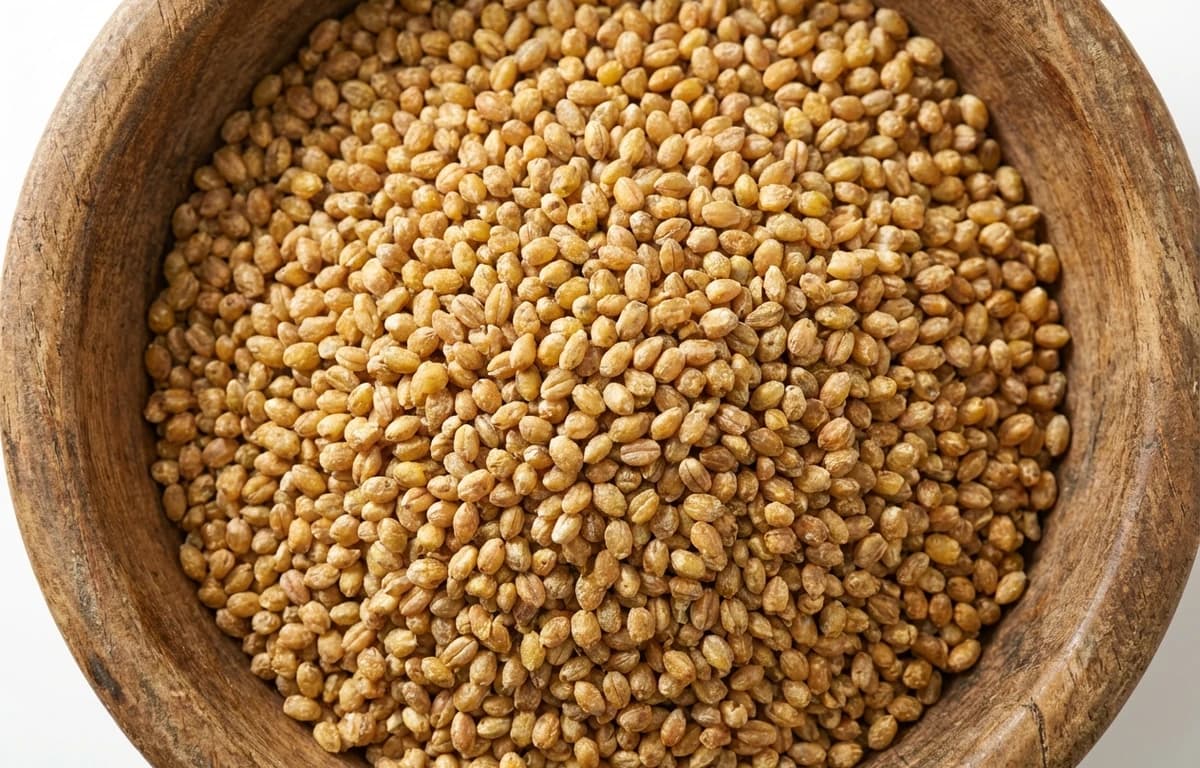
Yes, whole grain millet is highly nutritious. It is rich in dietary fiber, antioxidants, and essential minerals like magnesium and phosphorus, which support heart health, digestion, and bone strength.
Per 100g, whole grain millet provides approximately 11g of protein and is a significant source of dietary fiber. This combination helps with muscle maintenance and promotes a feeling of fullness, aiding in weight management.
Yes, millet is naturally gluten-free. This makes it a safe and excellent grain alternative for individuals with celiac disease or non-celiac gluten sensitivity.
No, millet is not considered keto-friendly. With approximately 72.8g of carbohydrates per 100g, it is a high-carb grain that is better suited for balanced or low-fat diets rather than strict ketogenic protocols.
To cook millet, use a 2:1 ratio of water to grain. Bring the mixture to a boil, then simmer covered for 15-20 minutes until the water is absorbed; let it sit for 5 minutes before fluffing with a fork for a light, grain-like texture.
Millet has a mild, slightly nutty flavor and a versatile texture. Depending on how much water you use, it can be prepared to be fluffy like couscous, creamy like mashed potatoes, or crunchy if toasted before boiling.
Yes, millet is an excellent substitute for rice, quinoa, or couscous in most recipes. Its neutral flavor profile allows it to pair well with savory stir-fries, salads, and even sweet breakfast porridges.
whole grain millet is a versatile ingredient found in cuisines around the world. With 378 calories per 100g and 11 grams of protein, it's a nutritious addition to many dishes.
Explore more ingredients in the grain category with complete nutrition information.
View all grain →Discover 0 recipes featuring whole grain millet with step-by-step instructions.
Browse recipes →Explore more ingredients similar to whole grain millet.
The most-searched ingredients on CraftMyMeals.
Store dry millet in an airtight container in a cool, dark, and dry place for up to a year. Because it contains some natural fats (4.2g per 100g), you can also store it in the refrigerator or freezer to prevent it from becoming rancid over long periods.
Soaking is not strictly necessary, but doing so for 2-6 hours can improve digestibility and reduce cooking time. Soaking also helps reduce phytic acid, which can improve the absorption of minerals like magnesium and phosphorus.
Millet is generally good for diabetics because its high fiber content gives it a lower glycemic index than refined grains like white rice. This helps regulate blood sugar levels and prevents sharp insulin spikes after meals.