
Loading...
Per 100g
Nutrition data source: USDA FoodData Central
Common measurement equivalents in grams
Yes, whole-grain sorghum flour is highly nutritious. It is rich in antioxidants, dietary fiber, and essential minerals like magnesium and iron, which support heart health, digestion, and energy production.
Yes, whole-grain sorghum flour is naturally gluten-free. It is an excellent and safe alternative for individuals with celiac disease or non-celiac gluten sensitivity.
Per 100g, sorghum flour provides approximately 8.43g of protein and is a significant source of dietary fiber. This combination helps promote satiety and supports healthy muscle and digestive function.
Sorghum flour has a mild, slightly sweet, and nutty flavor with a smooth texture. Its neutral profile makes it very versatile, as it doesn't have the strong or bitter aftertaste found in some other gluten-free flours.
You can substitute up to 25-30% of wheat flour with sorghum flour in standard recipes. For 100% gluten-free baking, it works best when mixed with other flours and a binder like xanthan gum to provide the necessary structure.
No, sorghum flour is not keto-friendly. With approximately 76.64g of carbohydrates per 100g, it is a high-carb grain that would exceed the daily limits of a strict ketogenic diet.
Store it in an airtight container in a cool, dry, and dark place. Because it is a whole-grain flour containing natural oils, it is best kept in the refrigerator or freezer to extend its shelf life and prevent rancidity.
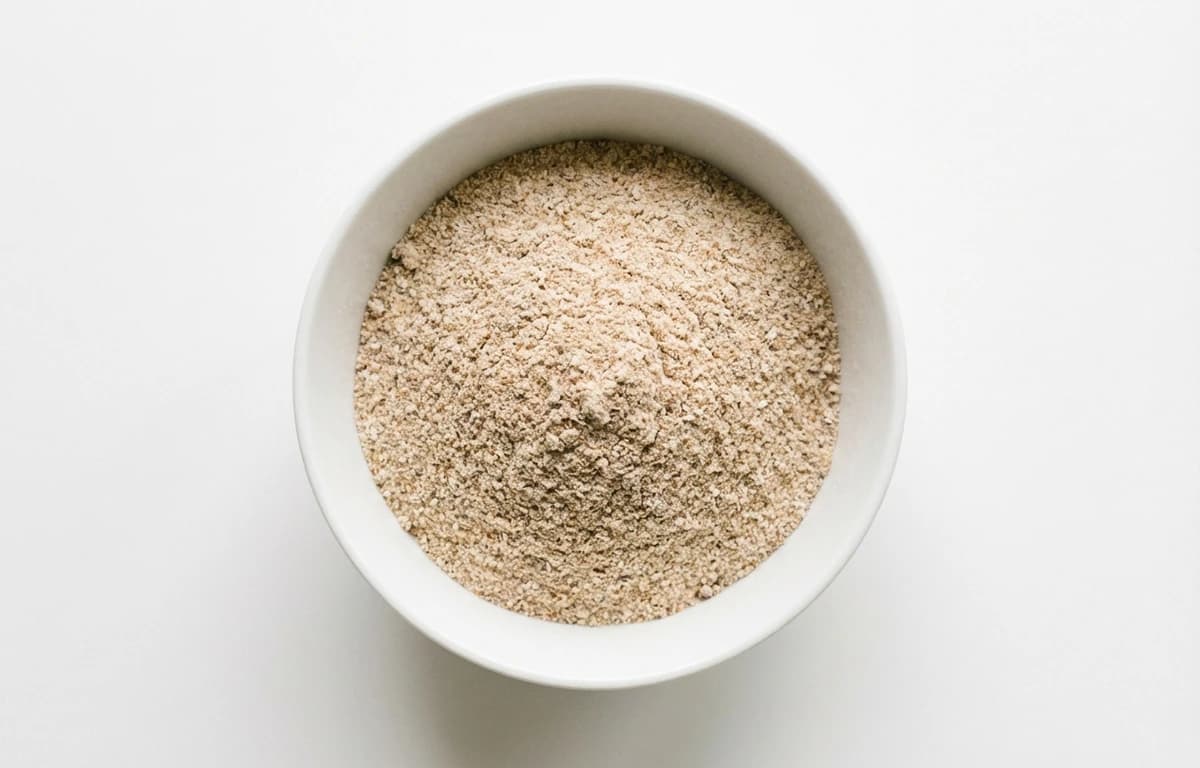
whole-grain sorghum flour is a versatile ingredient found in cuisines around the world. With 359 calories per 100g and 8.43 grams of protein, it's a nutritious addition to many dishes.
Explore more ingredients in the grain category with complete nutrition information.
View all grain →Discover 0 recipes featuring whole-grain sorghum flour with step-by-step instructions.
Browse recipes →Sorghum flour can be a beneficial choice for diabetics because its high fiber and phenolic content help regulate blood sugar levels. It generally has a lower glycemic response compared to refined white flours.
It is ideal for baking muffins, cookies, pancakes, and breads. Additionally, it can be used as a gluten-free thickening agent for soups, stews, and gravies, or as a breading for proteins.
Yes, it is rich in phenolic compounds and flavonoids. These antioxidants help combat oxidative stress and inflammation in the body, potentially reducing the risk of certain chronic diseases.