Grain
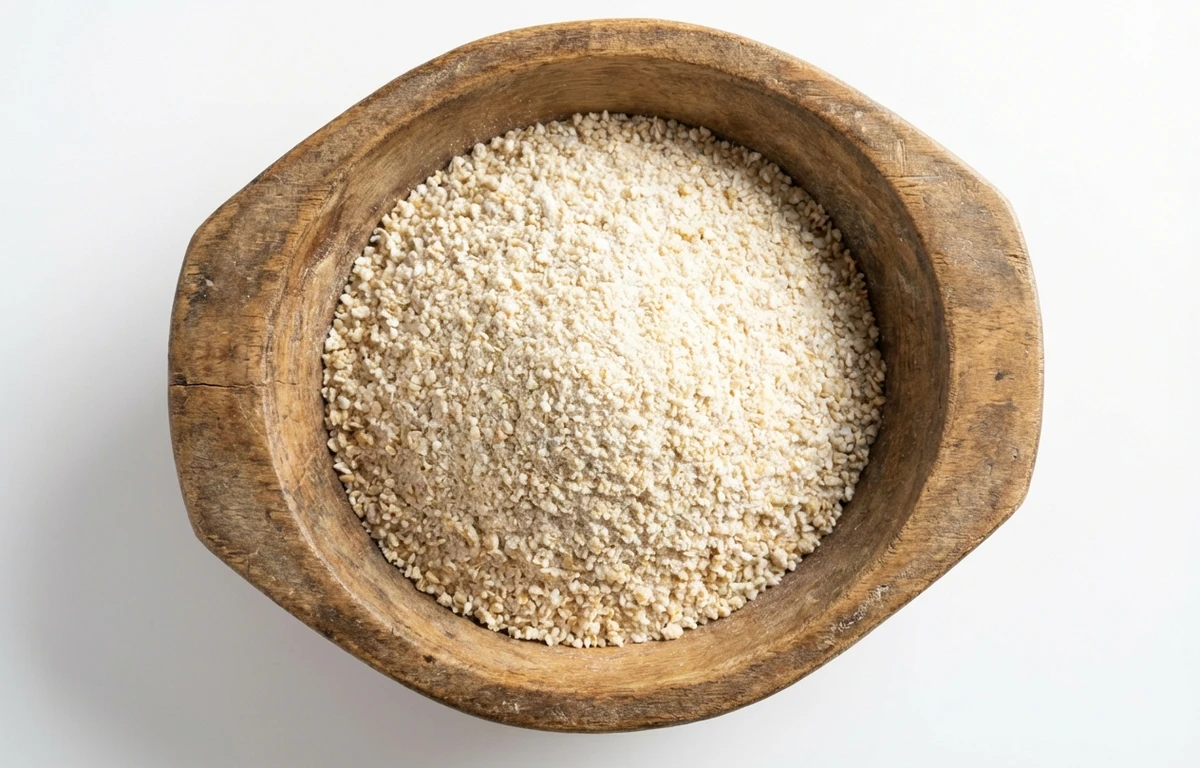
whole-grain white cornmeal.
VegetarianVeganGluten-freeDairy-freeNut-freePeanut-freeSoy-freeEgg-freeShellfish-freeHoney-freeAlcohol-freeWhole grain
SERVING
CALORIES
362
PROTEIN
8.1g
CARBS
76.9g
FAT
3.6g
FIBER
7.3g
NUTRITION PROFILE · per 100 g
Everything in this ingredient.
MACRONUTRIENTS
Calories362kcal—
Protein8.1g16%
Carbohydrates76.9g28%
Fiber7.3g26%
Sugar0.64g1%
Total fat3.6g5%
Saturated fat0.51g3%
Cholesterol0mg0%
Water10.3g—
MINERALS
Sodium35mg2%
Potassium287mg6%
Calcium6.0mg0%
Iron3.5mg19%
Magnesium127mg30%
Phosphorus241mg19%
Zinc1.8mg17%
Copper0.19mg21%
Manganese0.50mg22%
Selenium15.5µg28%
VITAMINS
Vitamin A0µg0%
Vitamin C0mg0%
Vitamin D0µg0%
Vitamin E0.42mg3%
Vitamin K0.30µg0%
Thiamin (B1)0.39mg33%
Riboflavin (B2)0.20mg15%
Niacin (B3)3.6mg23%
Pantothenic acid (B5)0.43mg9%
Vitamin B60.30mg18%
Folate (B9)25µg6%
Vitamin B120µg0%
%DV based on a 2,000 cal diet. Source: USDA FoodData Central. A dash in the %DV column means there’s no established Daily Value for that nutrient.
MEASUREMENT CONVERSIONS
How much is what.
1 cup122g
1 tablespoon7.6g
1 teaspoon2.5g
1 ml0.5g
1 liter508.3g
HEALTH BENEFITS
Why eat it.
- ✓High in dietary fiber, which supports digestive health and promotes satiety.
- ✓Provides complex carbohydrates for sustained energy release.
- ✓A good source of essential minerals like magnesium and phosphorus, important for bone health and energy metabolism.
- ✓Naturally gluten-free, making it a suitable option for those with celiac disease or gluten sensitivity (check for certified gluten-free labels to avoid cross-contamination).
COOKING TIPS
In the kitchen.
- 1To avoid lumps when making grits or polenta, whisk the cornmeal into cold liquid before turning on the heat.
- 2Use as a crispy coating for fried or baked foods like fish, chicken, or vegetables.
- 3White cornmeal has a milder, more delicate flavor than yellow cornmeal, making it excellent for light and tender cornbread, muffins, and cakes.
- 4Toast the dry cornmeal in a skillet over medium heat for a few minutes before using to enhance its nutty flavor.
STORAGE
Keep it fresh.
- Store in an airtight container in a cool, dark pantry for up to 3 months.
- For longer-term storage (up to 1 year), place the airtight container in the refrigerator or freezer to prevent the natural oils in the germ from going rancid.
FAQ
Frequently asked questions.
Is whole-grain white cornmeal healthy?
Yes, whole-grain white cornmeal is a nutritious choice as it retains the bran and germ of the corn kernel. This provides more fiber, vitamins, and minerals than refined cornmeal, supporting digestive health and providing sustained energy through complex carbohydrates.
What are the nutritional benefits of whole-grain white cornmeal?
Per 100g, it contains approximately 362 calories, 8.12g of protein, and 76.89g of carbohydrates. It is an excellent source of dietary fiber for satiety and essential minerals like magnesium and phosphorus, which are vital for bone health and energy metabolism.
Is whole-grain white cornmeal gluten-free?
Naturally, corn is a gluten-free grain, making this cornmeal safe for those with celiac disease or gluten sensitivity. However, always check for a 'certified gluten-free' label on the packaging to ensure there was no cross-contamination during processing.
Is whole-grain white cornmeal keto-friendly?
No, it is not suitable for a ketogenic or strict low-carb diet. With nearly 77g of carbohydrates per 100g, it is a high-carb food that would likely exceed the daily carbohydrate limits required to maintain ketosis.
What is the difference between white and yellow cornmeal?
The primary difference is the variety of corn used; white cornmeal has a milder, slightly sweeter flavor compared to the more robust, 'corny' taste of yellow cornmeal. Nutritionally they are similar, though yellow cornmeal contains more beta-carotene (Vitamin A).
How do you cook with whole-grain white cornmeal?
It is versatile and used for making grits, polenta, cornbread, and muffins. Because it is a whole-grain product, it may require slightly more liquid and a longer cooking time than degerminated cornmeal to achieve a soft texture.
Can I substitute whole-grain white cornmeal for regular cornmeal?
Yes, you can substitute it in a 1:1 ratio in most recipes. Note that the whole-grain version will have a heartier texture and a more complex flavor, and you may need to add a tablespoon or two of extra liquid to compensate for the higher fiber content.
How should I store whole-grain white cornmeal?
Because whole-grain cornmeal contains the natural oils from the corn germ, it can spoil more quickly than refined versions. Store it in an airtight container in a cool, dark pantry for up to 3 months, or in the freezer for up to a year to prevent rancidity.
How do I know if my cornmeal has gone bad?
Check for a bitter or musty smell, which indicates the natural oils have oxidized and gone rancid. If you see any signs of mold or small insects (weevils), the cornmeal should be discarded immediately.
Is whole-grain white cornmeal good for weight loss?
It can be beneficial for weight management because its high fiber content promotes a feeling of fullness, which may reduce overall calorie intake. However, it is calorie-dense, so it should be consumed in moderate portions as part of a balanced diet.