
Loading...
Also known as:
Per 100g
Nutrition data source: USDA FoodData Central
Common measurement equivalents in grams
Yes, whole-grain yellow cornmeal is a nutritious choice as it retains the bran and germ of the kernel. It is high in dietary fiber for digestion, provides essential minerals like magnesium and manganese, and contains antioxidants that support eye health.
Per 100g, this cornmeal provides approximately 8.12g of protein and is a significant source of dietary fiber. This combination helps promote a feeling of fullness and assists in regulating blood sugar levels.
Naturally, corn is a gluten-free grain, making this cornmeal safe for those with celiac disease or gluten sensitivity. However, always check for a 'certified gluten-free' label to ensure no cross-contamination occurred during processing.
No, it is not keto-friendly. With approximately 76.89g of carbohydrates per 100g, it is a high-carb food that would likely exceed the daily carb limits of a strict ketogenic diet.
Whole-grain cornmeal includes the entire kernel, offering more fiber, vitamins, and flavor. Regular cornmeal has the germ and bran removed, which gives it a longer shelf life but strips away much of its nutritional value and antioxidant content.
It is most commonly used for making cornbread, muffins, polenta, and tortillas. Because it is a whole grain, it may require slightly more liquid and a longer cooking time than refined cornmeal to reach the desired tenderness.
It cannot be used as a 1:1 substitute for wheat flour in most baking because it lacks gluten, which provides structure. However, it can be blended with other flours or used alone in specific recipes like corn tortillas or dense cornbread.
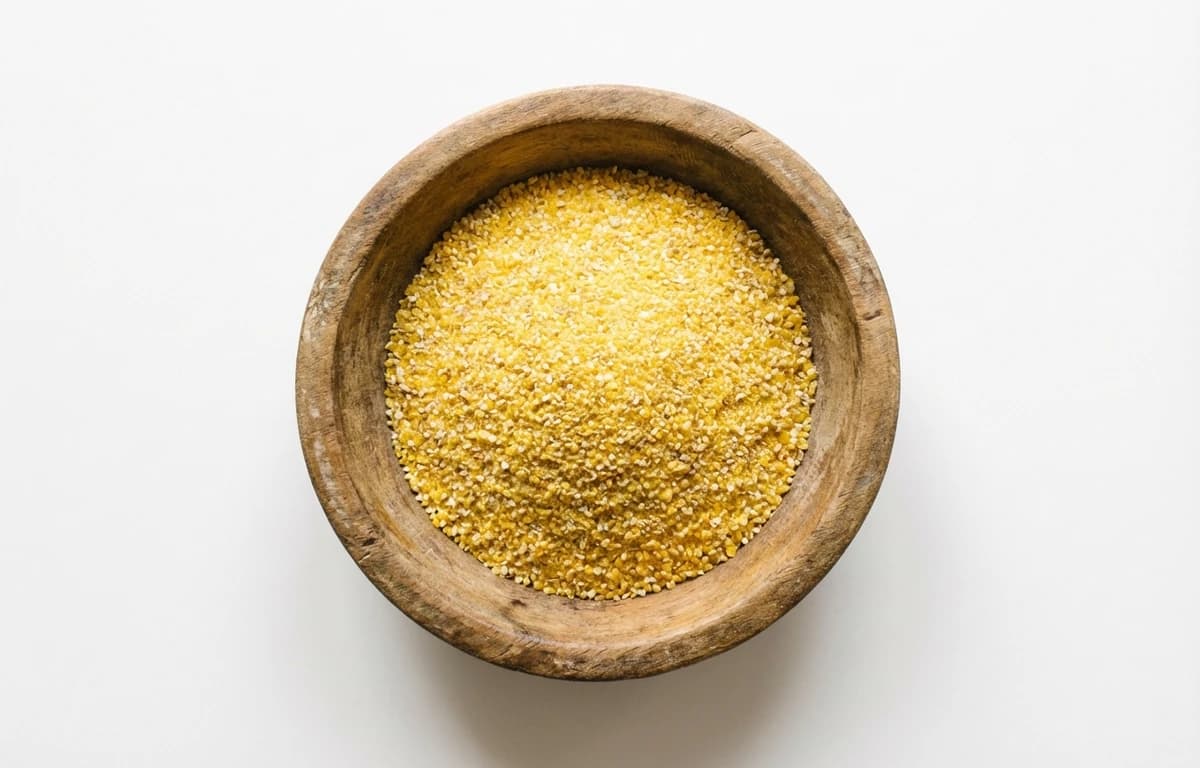
whole-grain yellow cornmeal is a versatile ingredient found in cuisines around the world. With 362 calories per 100g and 8.12 grams of protein, it's a nutritious addition to many dishes.
Explore more ingredients in the grain category with complete nutrition information.
View all grain →Discover 0 recipes featuring whole-grain yellow cornmeal with step-by-step instructions.
Browse recipes →Explore more ingredients similar to whole-grain yellow cornmeal.
The most-searched ingredients on CraftMyMeals.
Because it contains natural oils from the corn germ, it can spoil faster than refined versions. Store it in an airtight container in a cool, dark pantry for short-term use, or in the refrigerator or freezer to keep it fresh for several months.
Check for a bitter or musty smell, which indicates the natural oils in the grain have turned rancid. If you see any signs of mold or pantry pests (like weevils), the cornmeal should be discarded immediately.
Yes, yellow cornmeal is a good source of carotenoids, specifically lutein and zeaxanthin. These antioxidants are known to support eye health and may help protect against age-related macular degeneration.