
Loading...
Per 100g
Nutrition data source: USDA FoodData Central
Common measurement equivalents in grams
Yes, horse gram is highly nutritious, offering a rich source of protein, iron, and dietary fiber. It is known for its antioxidant properties and its ability to support digestive health and muscle maintenance while being very low in fat.
Whole horse gram contains approximately 21.73g of protein per 100g. This high protein density makes it an excellent plant-based protein source for vegetarians and vegans looking to meet their daily requirements.
Yes, horse gram is beneficial for weight management due to its high fiber and protein content, which promotes a feeling of fullness and reduces overall calorie intake. It also has a very low fat content of only 0.62g per 100g.
Yes, horse gram is naturally gluten-free and entirely plant-based. It is a safe and nutritious choice for individuals with celiac disease, gluten sensitivities, or those following a vegan lifestyle.
Yes, horse gram has a low glycemic index, which helps in managing blood sugar levels by preventing rapid spikes after meals. Its high fiber content further aids in slow glucose absorption, making it a diabetic-friendly legume.
To cook horse gram, first soak it for 6-8 hours or overnight to soften the hard outer shell. Then, pressure cook it with water for about 6-8 whistles or boil it on the stovetop for 45-60 minutes until tender.
Horse gram has a distinct, earthy, and nutty flavor with a slightly grainy texture. Its robust taste makes it a popular base for spicy soups (like rasam), stews, and traditional Indian curries.
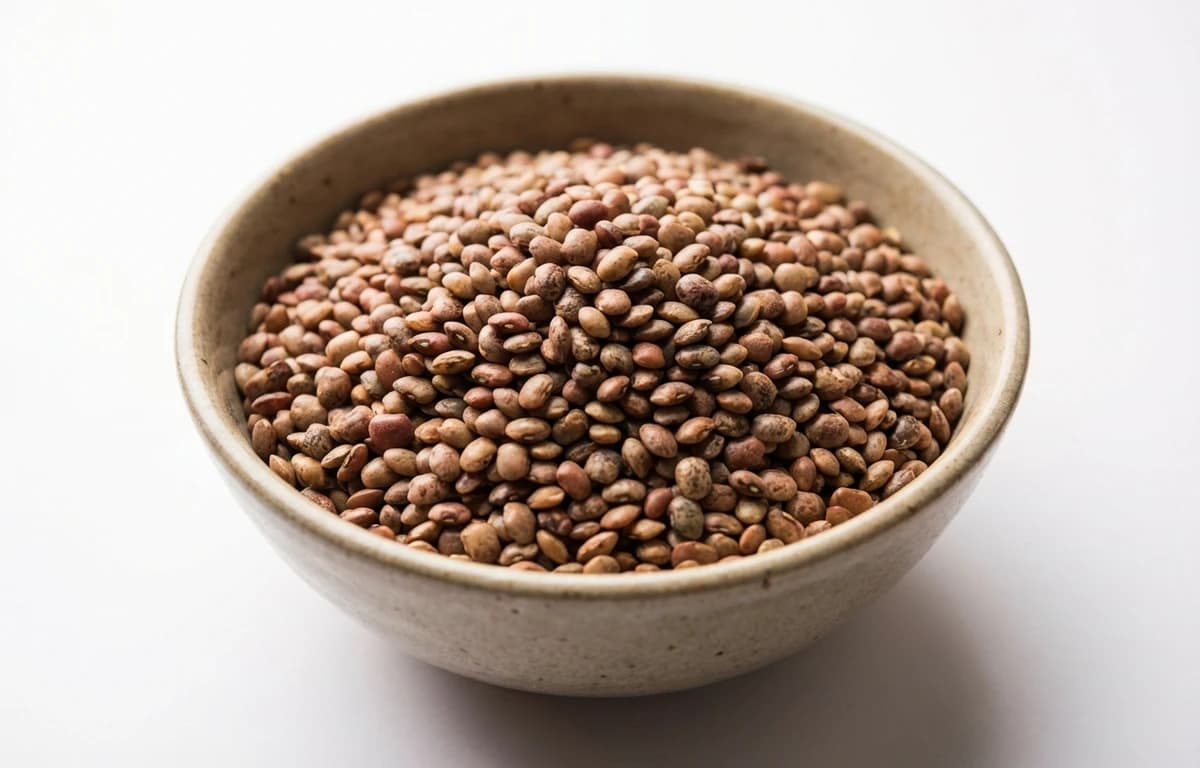
whole horse gram is a versatile ingredient found in cuisines around the world. With 329.59 calories per 100g and 21.73 grams of protein, it's a nutritious addition to many dishes.
Explore more ingredients in the legume category with complete nutrition information.
View all legume →Discover 0 recipes featuring whole horse gram with step-by-step instructions.
Browse recipes →Yes, soaking is essential because horse gram is one of the hardest legumes. Soaking for at least 6 hours significantly reduces cooking time and helps neutralize anti-nutrients like phytic acid, making the minerals easier to absorb.
Store dry horse gram in an airtight container in a cool, dry, and dark place to prevent moisture from causing spoilage. When stored properly, it can last for up to 12 months, while cooked horse gram should be refrigerated and eaten within 3-4 days.
In traditional Ayurvedic medicine, horse gram is frequently used to help manage kidney stones due to its natural diuretic properties. It is believed to help dissolve small stones and flush them out, though it should not replace professional medical treatment.