Vegetable10 recipes
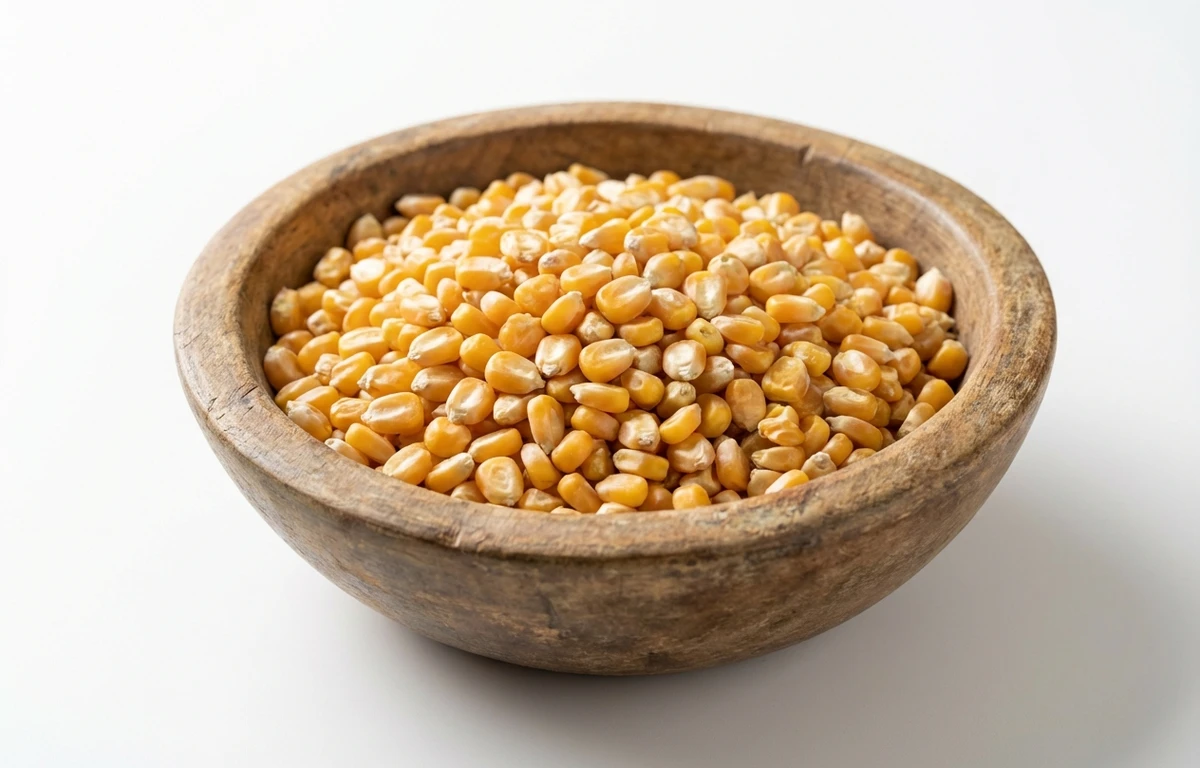
whole kernel corn.
VegetarianVeganGluten-freeDairy-freeNut-freePeanut-freeSoy-freeEgg-freeShellfish-freeHoney-freeAlcohol-freeWhole grain
ALSO KNOWN AS
whole kernel corncanned whole kernel cornmaizesweet corncorn kernelsbhuttamakkacholammakkaiyellow corn kernelsmakai ke danebhutta kernelssugar corn
SERVING
CALORIES
86
PROTEIN
3.2g
CARBS
19g
FAT
1.2g
FIBER
2.7g
NUTRITION PROFILE · per 100 g
Everything in this ingredient.
MACRONUTRIENTS
Calories86kcal—
Protein3.2g6%
Carbohydrates19g7%
Fiber2.7g10%
Sugar6.3g13%
Total fat1.2g2%
Saturated fat0.20g1%
Trans fat0g—
Cholesterol0mg0%
Water76g—
MINERALS
Sodium15mg1%
Potassium270mg6%
Calcium2.0mg0%
Iron0.50mg3%
Magnesium37mg9%
Phosphorus89mg7%
Zinc0.50mg5%
Copper0.05mg6%
Manganese0.16mg7%
Selenium0.60µg1%
VITAMINS
Vitamin A9.0µg1%
Vitamin C6.8mg8%
Vitamin D0µg0%
Vitamin E0.07mg0%
Vitamin K0.30µg0%
Thiamin (B1)0.15mg13%
Riboflavin (B2)0.06mg5%
Niacin (B3)1.7mg11%
Pantothenic acid (B5)0.70mg14%
Vitamin B60.06mg4%
Folate (B9)42µg11%
Vitamin B120µg0%
%DV based on a 2,000 cal diet. Source: USDA FoodData Central. A dash in the %DV column means there’s no established Daily Value for that nutrient.
MEASUREMENT CONVERSIONS
How much is what.
1 cup160g
1 tablespoon12g
1 teaspoon4g
1 oz28.4g
1 lb453.6g
1 piece0.3g
HEALTH BENEFITS
Why eat it.
- ✓Promotes eye health due to lutein and zeaxanthin content
- ✓High fiber content aids in healthy digestion
- ✓Provides essential B vitamins for energy metabolism
- ✓Naturally gluten-free grain alternative
- ✓Contains antioxidants that protect cells from damage
COOKING TIPS
In the kitchen.
- 1Avoid adding salt to the boiling water as it can toughen the kernels
- 2Steam or microwave rather than boil to preserve water-soluble vitamins
- 3Grill kernels briefly for a smoky, charred flavor profile
STORAGE
Keep it fresh.
- Store fresh corn in its husk in the refrigerator to maintain moisture
- Use fresh corn within 2-3 days as sugars quickly turn to starch
- Blanch and freeze kernels to preserve them for up to 12 months
FAQ
Frequently asked questions.
How long does fresh whole kernel corn last?
Fresh corn is best eaten the day it's picked. In the refrigerator, it will last 2-3 days if kept in the husk.
Can you freeze whole kernel corn?
Yes, blanch the kernels in boiling water for 2-3 minutes, cool in ice water, drain, and store in airtight bags for up to a year.
How do I pick the best corn?
Look for bright green, snug husks and slightly damp, golden silks. Feel the kernels through the husk to ensure they are plump and plentiful.
Is corn a vegetable or a grain?
Botanically, corn is a grain when harvested dry, but it is treated as a vegetable when eaten fresh as sweet corn.
What is a good substitute for fresh whole kernel corn?
Frozen corn kernels are the best substitute. Canned corn or cooked peas can also work depending on the recipe.
Does corn contain gluten?
No, corn is naturally gluten-free and is a safe grain for those with celiac disease or gluten sensitivity.
How do I remove kernels from the cob easily?
Place the cob upright in the center hole of a bundt pan; as you slice downward, the pan catches all the kernels.
Is corn high in sugar?
Sweet corn contains about 6g of sugar per 100g, which is lower than many fruits like apples or bananas.
RECIPES
Cook with whole kernel corn.
10 recipes · sorted by what’s quick