seafood1 recipes
Whole Lobster.
VegetarianVeganGluten-freeDairy-freeNut-freePeanut-freeSoy-freeEgg-freeShellfish-freeHoney-freeAlcohol-free
ALSO KNOWN AS
whole lobsters
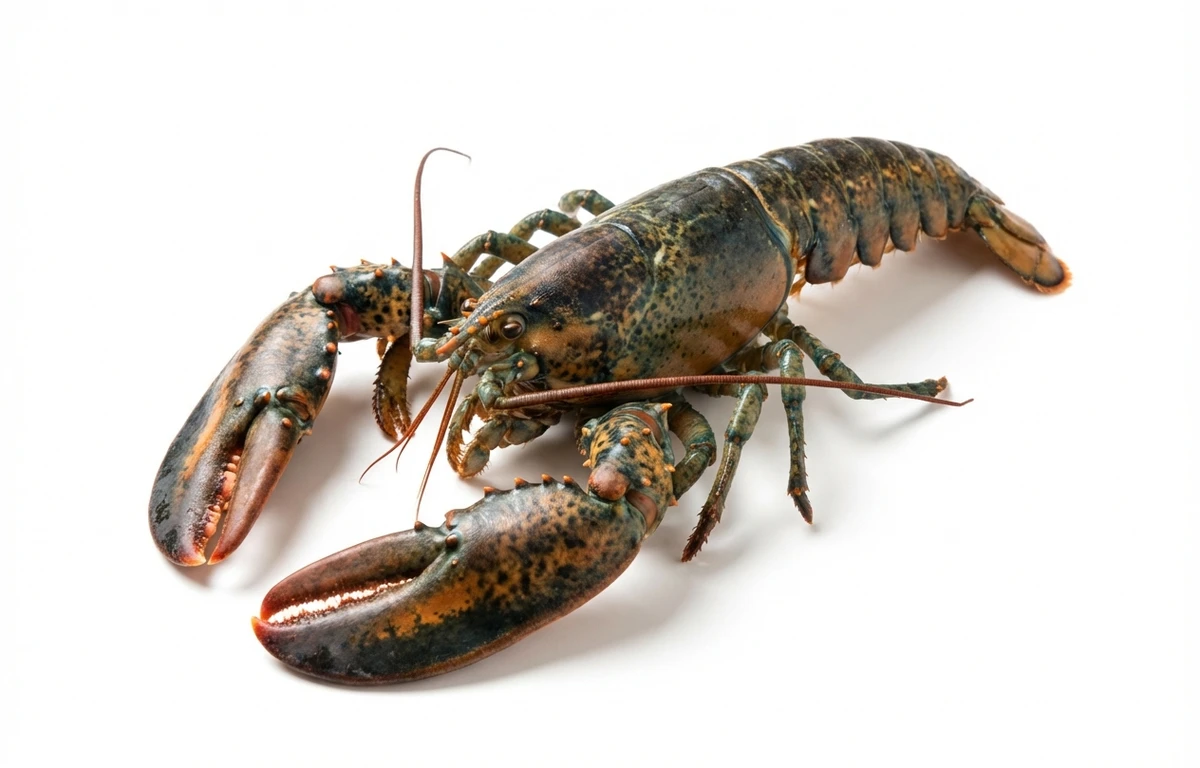
SERVING
CALORIES
98
PROTEIN
20.3g
CARBS
0g
FAT
1.9g
FIBER
0g
NUTRITION PROFILE · per 100 g
Everything in this ingredient.
MACRONUTRIENTS
Calories98kcal—
Protein20.3g41%
Carbohydrates0g0%
Fiber0g0%
Sugar0g0%
Total fat1.9g2%
Saturated fat0.20g1%
Trans fat0g—
Cholesterol127mg42%
Water76.5g—
MINERALS
Sodium323mg14%
Potassium187mg4%
Calcium60mg5%
Iron0.30mg2%
Magnesium36mg9%
Phosphorus204mg16%
Zinc0.70mg6%
Copper0.60mg67%
Manganese0.01mg0%
Selenium64.6µg117%
VITAMINS
Vitamin A0µg0%
Vitamin C1.7mg2%
Vitamin D0µg0%
Vitamin E0.60mg4%
Vitamin K0.10µg0%
Thiamin (B1)0.01mg1%
Riboflavin (B2)0.03mg2%
Niacin (B3)2.7mg17%
Pantothenic acid (B5)0.20mg4%
Vitamin B60.10mg6%
Folate (B9)14µg4%
Vitamin B123.9µg163%
%DV based on a 2,000 cal diet. Source: USDA FoodData Central. A dash in the %DV column means there’s no established Daily Value for that nutrient.
MEASUREMENT CONVERSIONS
How much is what.
1 oz28.4g
1 lb453.6g
1 piece567g
HEALTH BENEFITS
Why eat it.
- ✓Excellent source of lean protein.
- ✓Rich in selenium, an important antioxidant.
- ✓Good source of Vitamin B12, crucial for nerve function.
- ✓Contains omega-3 fatty acids, beneficial for heart health.
- ✓Low in saturated fat.
COOKING TIPS
In the kitchen.
- 1Boil or steam live lobsters for best results, typically 7-10 minutes per pound.
- 2Avoid overcooking, as it can make the meat tough and rubbery.
- 3The tail and claw meat are the most prized, but don't forget the delicious meat in the knuckles and body.
STORAGE
Keep it fresh.
- Store live lobsters in the coldest part of the refrigerator, covered with damp newspaper or seaweed, for no more than 1-2 days.
- Never store live lobsters in fresh water; they need saltwater conditions.
- Cooked lobster meat should be refrigerated in an airtight container and consumed within 2-3 days.
FAQ
Frequently asked questions.
Is whole lobster healthy?
Yes, whole lobster is a highly nutritious, lean protein source. It is low in calories and fat while being rich in essential nutrients like Vitamin B12, selenium, and heart-healthy omega-3 fatty acids.
How much protein is in lobster?
Lobster is an excellent protein source, providing approximately 20.3 grams of protein per 100 grams. This makes it a high-quality protein option comparable to chicken breast but with significantly less fat.
Is lobster high in cholesterol?
While lobster contains dietary cholesterol (about 145mg per 100g), it is very low in saturated fat. For most people, dietary cholesterol has a much smaller impact on blood cholesterol levels than the consumption of saturated and trans fats.
Is lobster keto-friendly?
Yes, lobster is perfectly keto-friendly as it contains 0 grams of carbohydrates. It is a high-protein, low-carb food that fits well into ketogenic diets, provided it is not served with sugary glazes or breading.
Is whole lobster gluten-free?
Naturally, whole lobster is 100% gluten-free. However, you should be cautious with preparation methods; breading, stuffings, or certain pre-made sauces served with the lobster may contain gluten.
What is the best way to cook a whole lobster?
The most common methods are boiling and steaming. Boiling is faster and makes the meat easier to remove from the shell, while steaming is gentler and often results in more tender meat with a more concentrated flavor.
What parts of a whole lobster are edible?
The primary meat is found in the tail and the two large claws. You can also find meat in the legs and knuckles; the green 'tomalley' (liver) and red 'coral' (roe) are also edible, though they have a very strong, distinct flavor.
How should you store a live whole lobster?
Live lobsters must be kept cold and moist in the refrigerator, ideally covered with damp seaweed or wet paper towels in an open container. Never store them in fresh water or airtight bags, and aim to cook them within 12 to 24 hours of purchase.
How can you tell if a whole lobster is fresh?
A fresh, live lobster should be active and 'feisty,' curling its tail tightly under its body when handled. If the lobster is limp, unresponsive, or has a strong 'fishy' ammonia smell, it is no longer fresh and should not be consumed.
Can you freeze whole lobster?
Yes, you can freeze lobster, but it is best to blanch or fully cook it first to preserve the texture. Wrap the cooked lobster tightly in moisture-proof bags or vacuum-seal it to prevent freezer burn; it will stay at peak quality for 2 to 3 months.
RECIPES
Cook with whole lobster.
1 recipes · sorted by what’s quick