dairy3 recipes
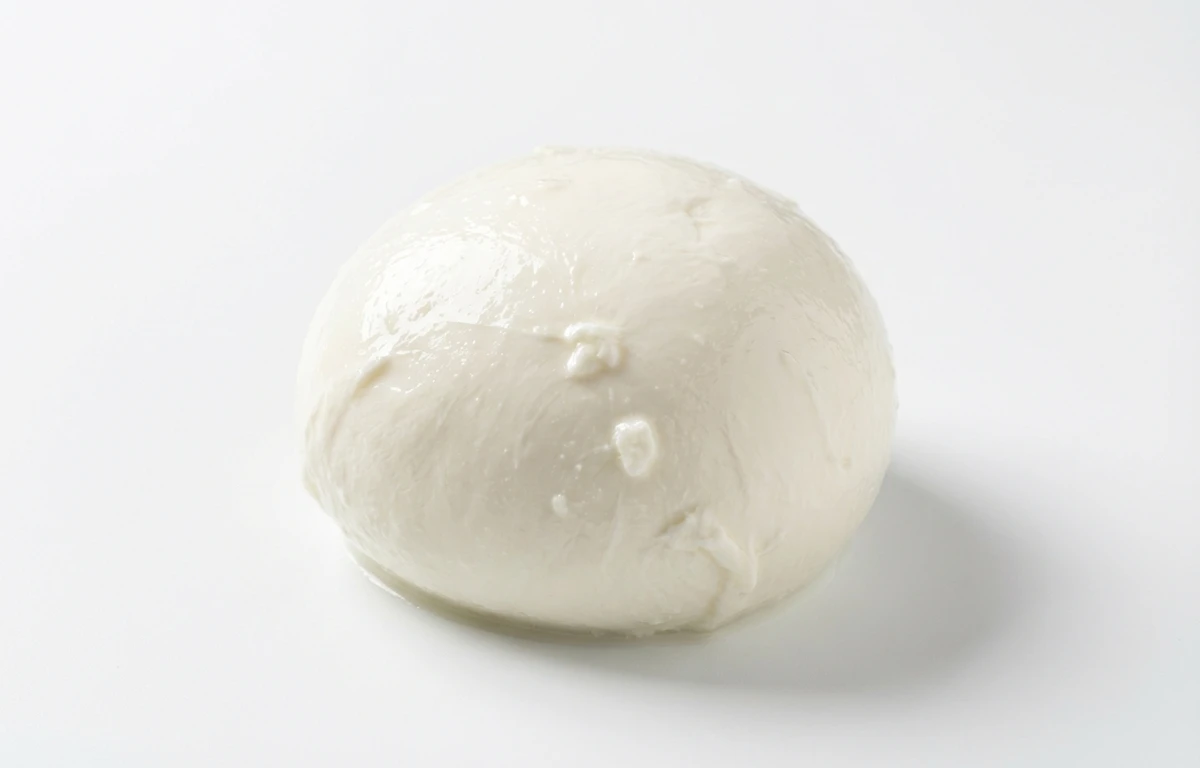
Whole Milk Mozzarella Cheese.
VegetarianVeganGluten-freeDairy-freeNut-freePeanut-freeSoy-freeEgg-freeShellfish-freeHoney-freeAlcohol-freeFermented
ALSO KNOWN AS
whole_milk_mozzarella_cheese
SERVING
CALORIES
300
PROTEIN
22.2g
CARBS
2.5g
FAT
22.4g
FIBER
0g
NUTRITION PROFILE · per 100 g
Everything in this ingredient.
MACRONUTRIENTS
Calories300kcal—
Protein22.2g44%
Carbohydrates2.5g1%
Fiber0g0%
Sugar1.1g2%
Total fat22.4g29%
Saturated fat14.1g71%
Trans fat0.80g—
Cholesterol79mg26%
Water48.2g—
MINERALS
Sodium620mg27%
Potassium95mg2%
Calcium505mg39%
Iron0.20mg1%
Magnesium20mg5%
Phosphorus350mg28%
Zinc2.5mg23%
Copper0.03mg3%
Manganese0.01mg0%
Selenium15µg27%
VITAMINS
Vitamin A200µg22%
Vitamin C0mg0%
Vitamin D0.20µg1%
Vitamin E0.20mg1%
Vitamin K2.0µg2%
Thiamin (B1)0.03mg3%
Riboflavin (B2)0.30mg23%
Niacin (B3)0.10mg1%
Pantothenic acid (B5)0.30mg6%
Vitamin B60.05mg3%
Folate (B9)15µg4%
Vitamin B121.0µg42%
%DV based on a 2,000 cal diet. Source: USDA FoodData Central. A dash in the %DV column means there’s no established Daily Value for that nutrient.
MEASUREMENT CONVERSIONS
How much is what.
1 cup112g
1 tablespoon7g
1 teaspoon2.3g
1 oz28.4g
HEALTH BENEFITS
Why eat it.
- ✓Excellent source of calcium for bone health.
- ✓High in protein, essential for muscle repair and growth.
- ✓Contains phosphorus, important for bone and teeth formation.
- ✓Good source of Vitamin B12, vital for nerve function.
- ✓Provides zinc, supporting immune function.
COOKING TIPS
In the kitchen.
- 1Melts beautifully, making it ideal for pizzas, lasagna, and baked pasta dishes.
- 2Shredding or grating before use helps it melt more evenly and quickly.
- 3Allow to come to room temperature slightly before serving on a cheese board for enhanced flavor.
STORAGE
Keep it fresh.
- Store in the refrigerator, tightly wrapped to prevent drying out.
- Once opened, consume within 1-2 weeks for best quality.
- Can be frozen for up to 2-3 months, though texture may change slightly upon thawing.
FAQ
Frequently asked questions.
Is whole milk mozzarella healthy?
Whole milk mozzarella is a nutrient-dense dairy product that provides high-quality protein and essential minerals like calcium and phosphorus. While it is higher in saturated fat and calories than part-skim versions, it offers significant benefits for bone health and muscle maintenance when consumed in moderation.
How much protein is in whole milk mozzarella?
Whole milk mozzarella is an excellent protein source, containing approximately 22.2 grams of protein per 100 grams. This high protein content makes it a great option for supporting muscle repair, growth, and overall satiety.
Is whole milk mozzarella keto-friendly?
Yes, it is very keto-friendly because it is high in fat and very low in carbohydrates. With only about 2.5 grams of carbs per 100 grams, it fits easily into a ketogenic or low-carb dietary plan.
Is whole milk mozzarella gluten-free?
Pure whole milk mozzarella is naturally gluten-free as it is made from milk, salt, and enzymes. However, if buying pre-shredded versions, check the label for anti-caking agents like potato starch or cellulose to ensure they weren't processed in a facility with gluten.
Does whole milk mozzarella contain lactose?
While it is a dairy product, the fermentation process used to make mozzarella reduces the lactose content significantly. Many people with mild lactose intolerance find they can tolerate mozzarella better than fluid milk, though it is not strictly lactose-free.
How does whole milk mozzarella compare to part-skim mozzarella in cooking?
Whole milk mozzarella has a higher fat content, which results in a creamier texture, superior meltability, and a richer flavor profile. It is less likely to become rubbery or tough when heated, making it the preferred choice for pizzas and baked pasta dishes.
Can I freeze whole milk mozzarella?
Yes, you can freeze it for up to 3 months if wrapped tightly to prevent freezer burn. While the texture may become slightly more crumbly after thawing, it remains perfectly suitable for melting in cooked dishes like lasagna or pizza.
How should I store whole milk mozzarella and how long does it last?
Keep it refrigerated in its original packaging or wrapped tightly in plastic wrap. Low-moisture blocks typically last 1-2 weeks after opening, while fresh mozzarella stored in brine should be consumed within 3-5 days of opening.
Is whole milk mozzarella good for weight loss?
Because it contains 300 calories per 100g, it should be consumed in moderation during weight loss. However, its high protein content can help you feel full longer, which may prevent overeating if portion sizes are managed carefully.
Is whole milk mozzarella vegetarian?
Most commercially produced mozzarella is vegetarian as it uses microbial rennet to clot the milk. However, some traditional or artisanal brands may use animal-derived rennet, so it is important to check the label for 'microbial enzymes' if you follow a vegetarian diet.
RECIPES
Cook with whole milk mozzarella cheese.
3 recipes · sorted by what’s quick