
Loading...
Per 100g
Nutrition data source: USDA FoodData Central
Common measurement equivalents in grams
Yes, whole milk plain yogurt is highly nutritious, providing a balance of protein, healthy fats, and essential minerals like calcium and phosphorus. It also contains live active cultures (probiotics) that support digestive health and boost the immune system.
A 100g serving contains approximately 61 calories and 3.5g of protein. It also provides about 4.7g of carbohydrates and 3.3g of fat, making it a well-rounded source of macronutrients.
While it contains more fat than low-fat versions, the fat and protein content can increase satiety, helping you feel full longer. Choosing plain yogurt avoids the high added sugars found in flavored varieties, making it a better choice for weight management.
It can be included in a keto diet in moderation, as it contains about 4.7g of carbs per 100g. However, users should track their portions carefully to stay within their daily carb limits, as the natural lactose (milk sugar) adds up.
Yes, pure whole milk plain yogurt is naturally gluten-free. Always check the label for thickening agents or stabilizers in processed brands, though most standard plain yogurts are safe for those with celiac disease or gluten sensitivity.
No, it is not lactose-free, but many people with mild lactose intolerance find it easier to digest than milk. This is because the live cultures (probiotics) help break down some of the lactose during the fermentation process.
It is incredibly versatile and can be used in smoothies, dressings, or as a creamy base for dips like tzatziki. It also works well in baking to add moisture or as a marinade for meats to help tenderize them.
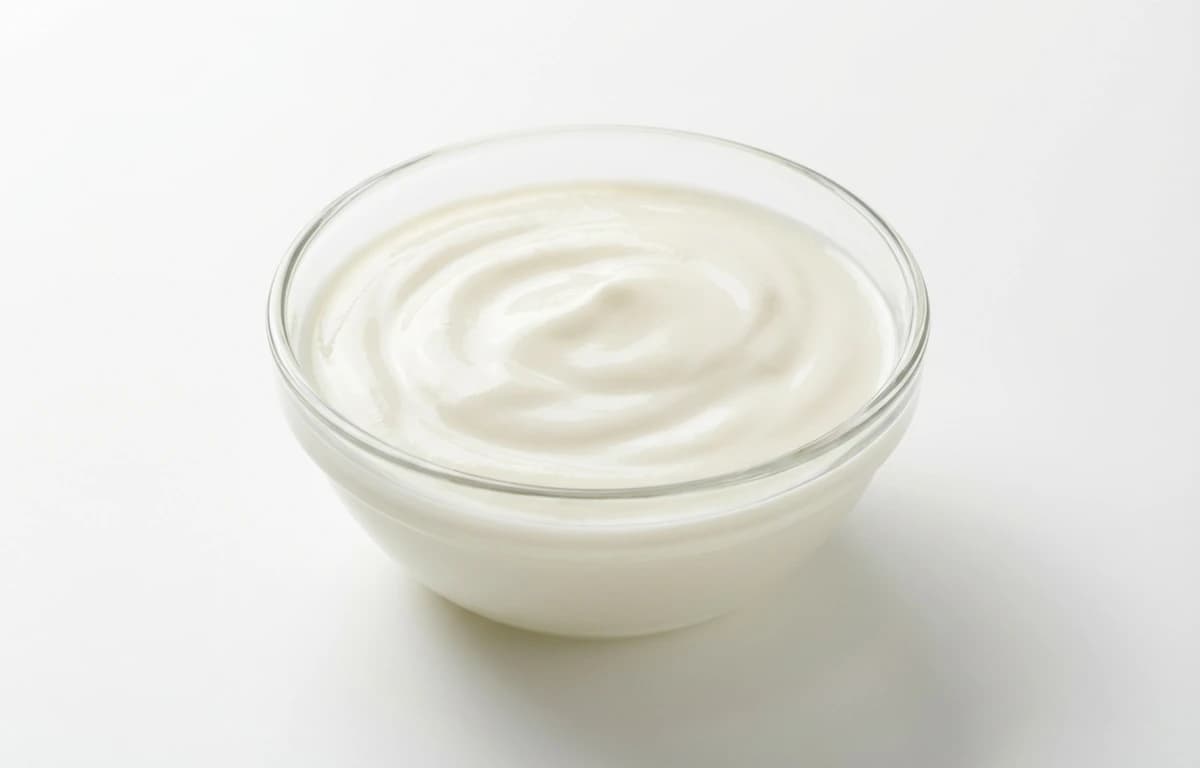
whole milk plain yogurt is a versatile ingredient found in cuisines around the world. With 61 calories per 100g and 3.5 grams of protein, it's a nutritious addition to many dishes.
Explore more ingredients in the dairy category with complete nutrition information.
View all dairy →Discover 3 recipes featuring whole milk plain yogurt with step-by-step instructions.
Browse recipes →Yes, but keep in mind that plain yogurt has a thinner consistency and higher moisture content than Greek yogurt. If using it as a substitute in baking or sauces, you may need to reduce other liquids or strain the yogurt through cheesecloth first.
Once opened, it typically stays fresh for 7 to 10 days when stored in an airtight container in the refrigerator. Always check for signs of spoilage, such as a sour smell, visible mold, or an unusually bubbly texture.
Yes, you can freeze it, but the texture will change and become grainy or separated once thawed. It is best used in smoothies or cooked dishes after freezing rather than being eaten plain.