
Dairy1 recipes
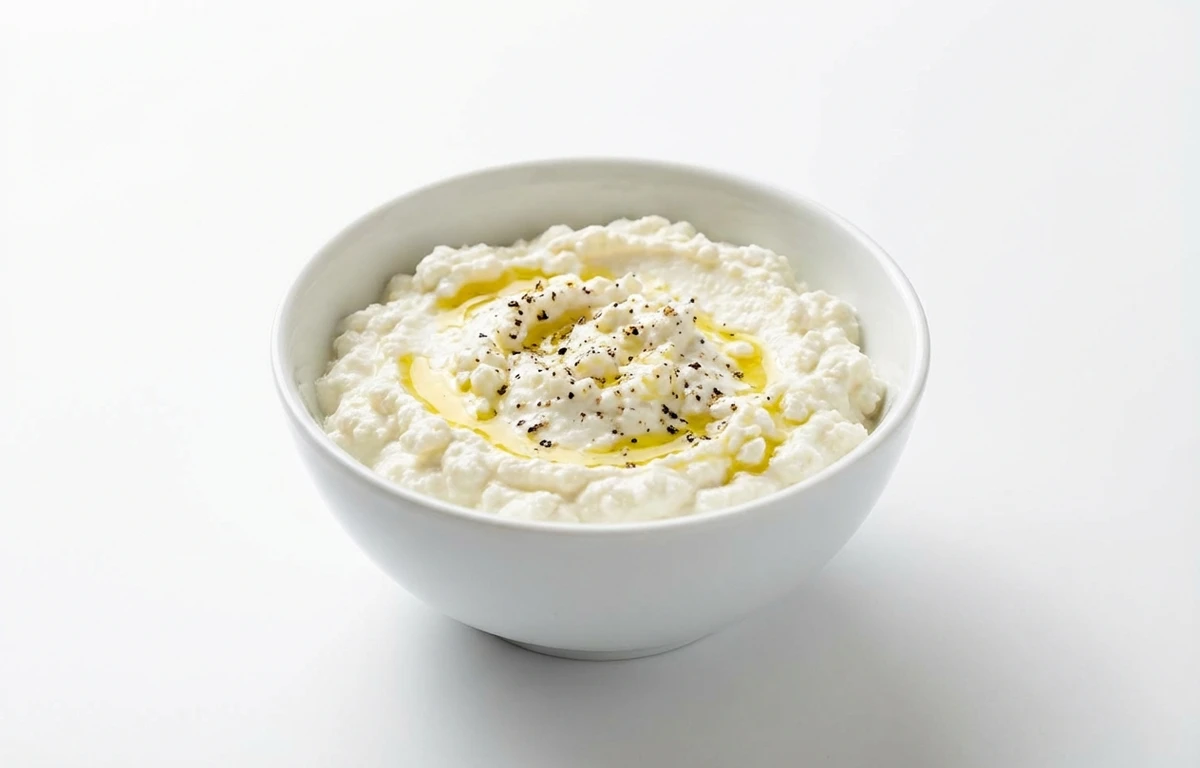
whole milk ricotta cheese.
VegetarianVeganGluten-freeDairy-freeNut-freePeanut-freeSoy-freeEgg-freeShellfish-freeHoney-freeAlcohol-free
ALSO KNOWN AS
whole milk ricottafull-fat ricotta
SERVING
CALORIES
174
PROTEIN
11.3g
CARBS
3.0g
FAT
13g
FIBER
0g
NUTRITION PROFILE · per 100 g
Everything in this ingredient.
MACRONUTRIENTS
Calories174kcal—
Protein11.3g23%
Carbohydrates3.0g1%
Fiber0g0%
Sugar3.0g6%
Total fat13g17%
Saturated fat8.3g42%
Trans fat0g—
Cholesterol51mg17%
Water71.7g—
MINERALS
Sodium84mg4%
Potassium105mg2%
Calcium207mg16%
Iron0.40mg2%
Magnesium11mg3%
Phosphorus158mg13%
Zinc1.1mg10%
Copper0.02mg2%
Manganese0.01mg0%
Selenium14.5µg26%
VITAMINS
Vitamin A120µg13%
Vitamin C0mg0%
Vitamin D0.10µg1%
Vitamin E0.11mg1%
Vitamin K1.2µg1%
Thiamin (B1)0.01mg1%
Riboflavin (B2)0.19mg15%
Niacin (B3)0.10mg1%
Pantothenic acid (B5)0.21mg4%
Vitamin B60.04mg2%
Folate (B9)12µg3%
Vitamin B120.34µg14%
%DV based on a 2,000 cal diet. Source: USDA FoodData Central. A dash in the %DV column means there’s no established Daily Value for that nutrient.
MEASUREMENT CONVERSIONS
How much is what.
1 cup246g
1 tablespoon15.4g
1 teaspoon5.1g
1 oz28.4g
1 lb453.6g
1 ml1g
1 liter1026.7g
HEALTH BENEFITS
Why eat it.
- ✓Excellent source of high-quality whey protein, which supports muscle repair and growth.
- ✓Rich in calcium and phosphorus, essential minerals for building and maintaining strong bones and teeth.
- ✓Provides a good amount of selenium, an antioxidant that helps protect cells from damage and supports immune function.
- ✓Contains Vitamin B12, which is crucial for nerve function and the formation of red blood cells.
COOKING TIPS
In the kitchen.
- 1For a smoother, creamier texture in dips, sauces, or desserts, blend or whip the ricotta before use.
- 2Drain excess whey from the ricotta, especially for baked dishes like lasagna or stuffed shells, to prevent the filling from becoming watery.
- 3Use as a versatile base for both sweet and savory applications. Sweeten with honey for a dessert topping or mix with herbs and garlic for a savory spread.
- 4When adding to hot pasta dishes, stir it in off the heat at the end of cooking to create a creamy sauce without causing it to separate or curdle.
STORAGE
Keep it fresh.
- Refrigerate immediately in its original, sealed container at or below 40°F (4°C).
- Once opened, consume within 5-7 days. Keep the container tightly covered and drain any excess liquid (whey) to maintain freshness.
- Freezing is not recommended as it damages the delicate curd structure, resulting in a grainy and watery texture upon thawing.
FAQ
Frequently asked questions.
Is whole milk ricotta cheese healthy?
Yes, whole milk ricotta is a nutrient-dense dairy product. It is an excellent source of high-quality whey protein for muscle repair and provides essential minerals like calcium and phosphorus for bone health. It also contains Vitamin B12 and selenium, though it should be consumed in moderation due to its saturated fat content.
How much protein is in whole milk ricotta?
Whole milk ricotta contains approximately 11.3g of protein per 100g. It is particularly rich in whey protein, which is highly bioavailable and effective for supporting muscle growth and immune function.
Is whole milk ricotta keto-friendly?
Yes, whole milk ricotta is considered keto-friendly. With only 3g of carbohydrates and 13g of fat per 100g, it fits well within the high-fat, low-carb requirements of a ketogenic diet.
Is whole milk ricotta gluten-free?
Pure whole milk ricotta is naturally gluten-free as it is made from milk, an acid (like vinegar or citric acid), and salt. However, always check the label for any additives or stabilizers that might contain gluten if you have a severe sensitivity.
Is whole milk ricotta lactose-free?
No, whole milk ricotta is not lactose-free. While the cheesemaking process reduces some lactose content, it still contains enough to cause discomfort for individuals with moderate to severe lactose intolerance.
What does whole milk ricotta taste like?
Whole milk ricotta has a very mild, slightly sweet, and milky flavor. Its texture is creamy yet slightly grainy, making it much richer and smoother than part-skim varieties.
Can I freeze whole milk ricotta?
You can freeze it, but the texture will change, becoming more crumbly and watery once thawed. It is best to use previously frozen ricotta in cooked or baked dishes like lasagna or pancakes rather than eating it fresh.
How long does whole milk ricotta last after opening?
Once opened, whole milk ricotta should be stored in an airtight container in the refrigerator and consumed within 5 to 7 days. If you see mold, a yellowish tint, or notice a sour smell, it has spoiled and should be discarded.
What is the difference between whole milk and part-skim ricotta?
Whole milk ricotta is made from full-fat milk, resulting in a creamier texture and richer flavor. Part-skim ricotta uses lower-fat milk, which reduces the calorie and fat content but often results in a drier, grainier consistency.
Is whole milk ricotta good for weight loss?
It can be beneficial for weight loss because its high protein content (11.3g per 100g) helps promote fullness and satiety. However, because it contains 174 calories per 100g, it is important to monitor portion sizes to stay within your daily caloric goals.
RECIPES
Cook with whole milk ricotta cheese.
1 recipes · sorted by what’s quick



















