legume
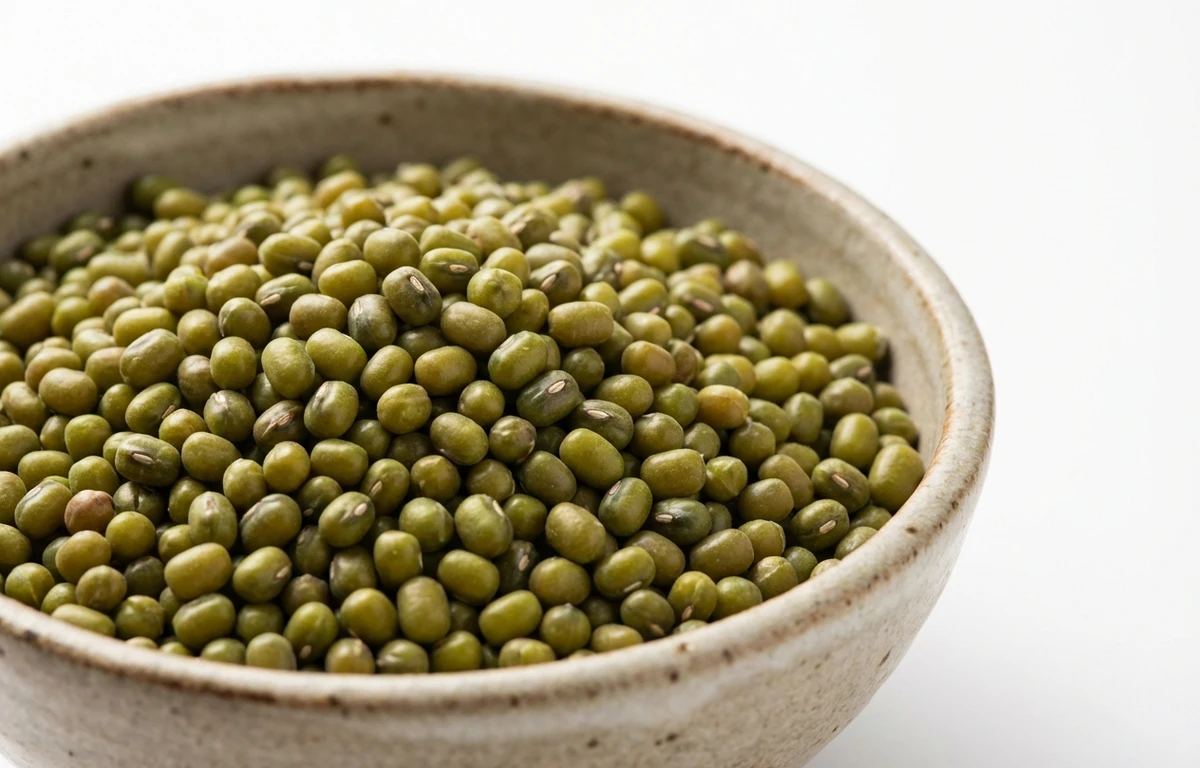
whole moong.
VegetarianVeganGluten-freeDairy-freeNut-freePeanut-freeSoy-freeEgg-freeShellfish-freeHoney-freeAlcohol-free
SERVING
CALORIES
347
PROTEIN
23.9g
CARBS
62.6g
FAT
1.1g
FIBER
16.3g
NUTRITION PROFILE · per 100 g
Everything in this ingredient.
MACRONUTRIENTS
Calories347kcal—
Protein23.9g48%
Carbohydrates62.6g23%
Fiber16.3g58%
Sugar6.6g13%
Total fat1.1g1%
Saturated fat0.35g2%
Trans fat0g—
Cholesterol0mg0%
Water9.1g—
MINERALS
Sodium15mg1%
Potassium1246mg27%
Calcium132mg10%
Iron6.7mg37%
Magnesium189mg45%
Phosphorus367mg29%
Zinc2.7mg24%
Copper0.94mg104%
Manganese1.0mg45%
Selenium8.2µg15%
VITAMINS
Vitamin A6.0µg1%
Vitamin C4.8mg5%
Vitamin D0µg0%
Vitamin E0.51mg3%
Vitamin K9.0µg8%
Thiamin (B1)0.62mg52%
Riboflavin (B2)0.23mg18%
Niacin (B3)2.3mg14%
Pantothenic acid (B5)1.9mg38%
Vitamin B60.38mg22%
Folate (B9)625µg156%
Vitamin B120µg0%
%DV based on a 2,000 cal diet. Source: USDA FoodData Central. A dash in the %DV column means there’s no established Daily Value for that nutrient.
MEASUREMENT CONVERSIONS
How much is what.
1 cup200g
1 tablespoon13g
1 teaspoon4g
HEALTH BENEFITS
Why eat it.
- ✓Rich in protein and dietary fiber, which aids in digestion, promotes satiety, and helps with weight management.
- ✓Excellent source of essential nutrients like potassium, magnesium, folate, and B vitamins, supporting overall health.
- ✓Contains antioxidants such as vitexin and isovitexin, which may help protect against free radical damage and reduce the risk of chronic diseases.
- ✓Has a low glycemic index, making it beneficial for regulating blood sugar levels and suitable for individuals with diabetes.
COOKING TIPS
In the kitchen.
- 1Soak whole moong for at least 4-6 hours or overnight to significantly reduce cooking time and improve digestibility.
- 2For a faster cooking method, use a pressure cooker. Soaked moong typically cooks in about 15-20 minutes (3-4 whistles).
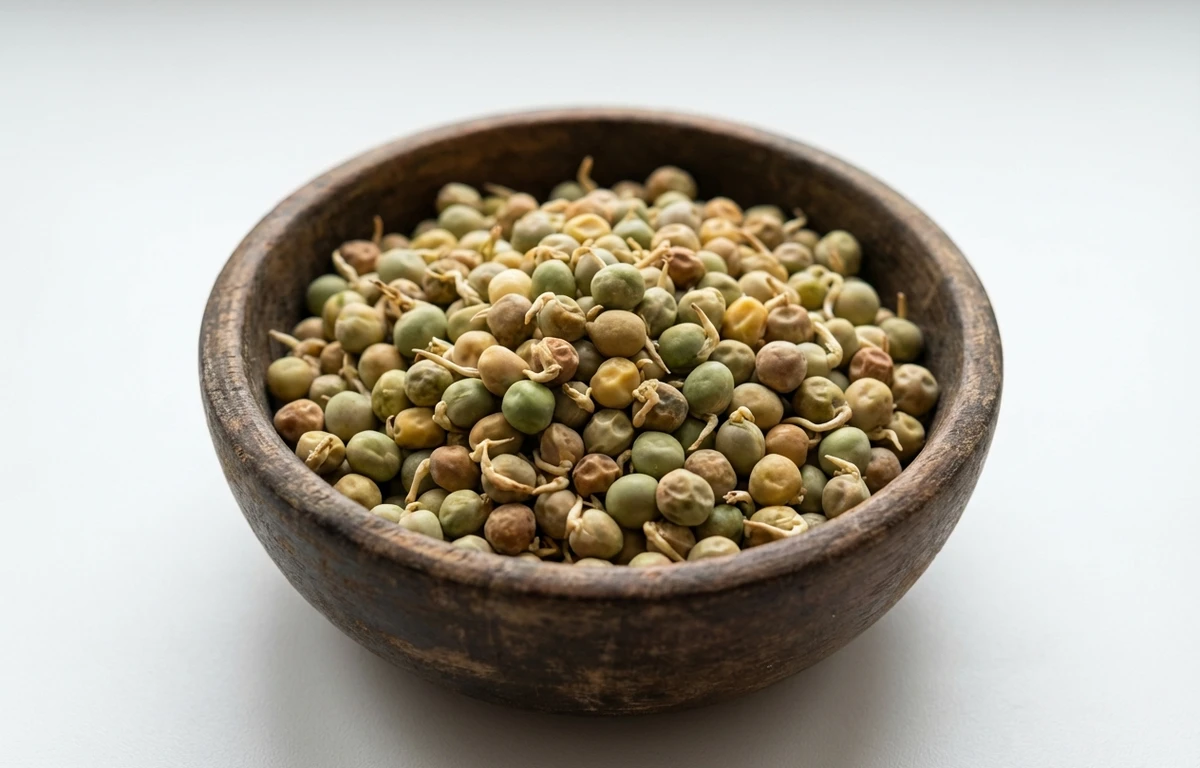
- 3Whole moong can be sprouted by soaking overnight, then draining and keeping them in a moist cloth or sprouter for 1-2 days. Sprouted moong is great for salads and light stir-fries.
- 4It is a versatile ingredient for making traditional Indian dishes like dal makhani (mixed with other lentils), curries, soups, and savory pancakes (Pesarattu).
STORAGE
Keep it fresh.
- Store dried whole moong in an airtight container in a cool, dark, and dry place, such as a pantry, for up to 12 months.
- Once cooked, store in an airtight container in the refrigerator for 3-4 days.
FAQ
Frequently asked questions.
Is whole moong healthy?
Yes, whole moong is highly nutritious, offering a rich source of plant-based protein, fiber, and essential minerals like potassium and magnesium. Its high antioxidant content, including vitexin and isovitexin, helps protect cells from oxidative stress and supports heart health.
How much protein is in whole moong?
100g of raw whole moong contains approximately 23.86g of protein. This makes it an excellent protein source for vegetarians and vegans, supporting muscle repair and metabolic health.
Is whole moong good for weight loss?
Yes, it is excellent for weight management due to its high fiber and protein content, which promotes satiety and helps you feel full for longer. Additionally, it is very low in fat, containing only about 1.15g per 100g.
Is whole moong gluten-free and vegan?
Whole moong is naturally gluten-free and 100% vegan. It is a safe and healthy staple for individuals with celiac disease or those following a strictly plant-based diet.
Can diabetics eat whole moong?
Yes, whole moong has a low glycemic index, which helps prevent rapid spikes in blood sugar levels. The high fiber content also aids in regulating glucose absorption, making it a beneficial food for managing diabetes.
Do I need to soak whole moong before cooking?
While not strictly required, soaking whole moong for 4-6 hours is recommended to reduce cooking time and improve digestibility. Soaking helps break down complex sugars that can cause gas and bloating.
How do you sprout whole moong?
To sprout, soak the beans in water overnight, drain them, and place them in a damp cloth or a sprouting jar in a dark place. Rinse them twice daily; they typically sprout within 24 to 48 hours, which increases their Vitamin C and antioxidant levels.
What is the difference between whole moong and moong dal?
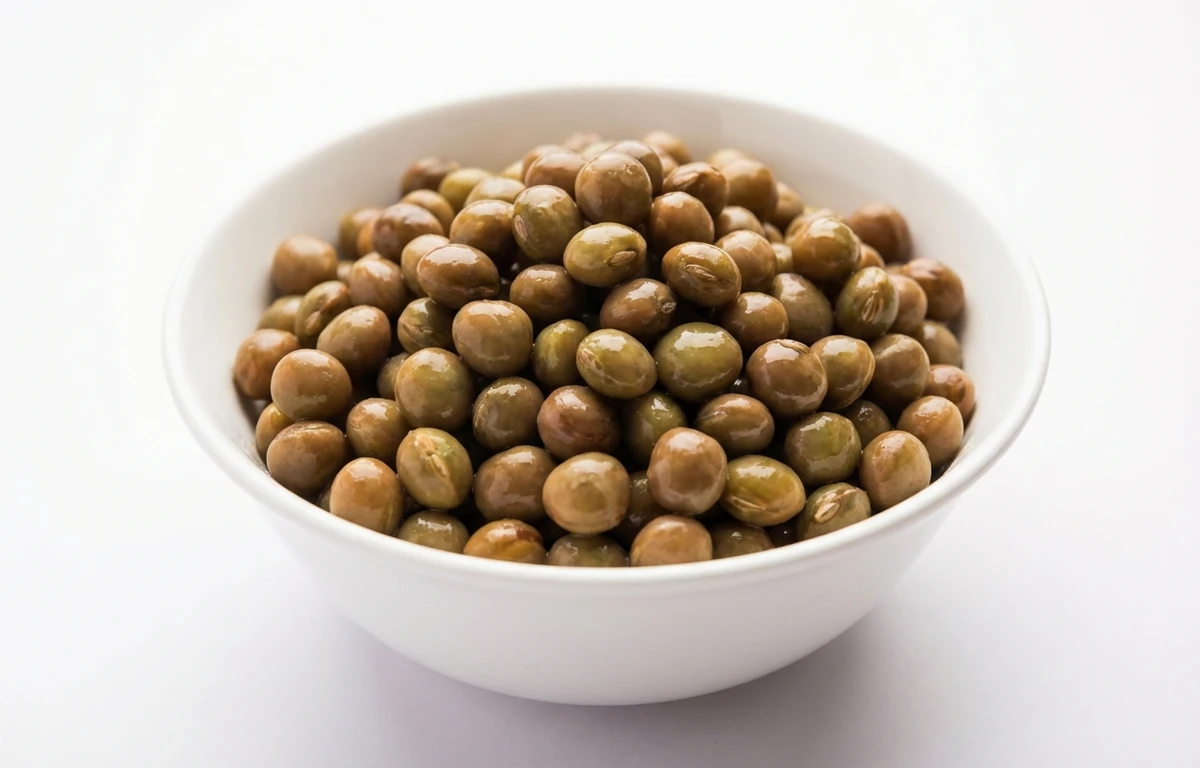
Whole moong is the entire green bean with the skin intact, providing the highest fiber content. Moong dal refers to the split version, which can be green (with skin) or yellow (husked), and generally cooks faster and has a creamier texture.
How should I store whole moong?
Dry whole moong should be stored in an airtight container in a cool, dry place, where it can last for up to a year. Once cooked, it should be refrigerated and consumed within 3-5 days, or frozen for up to 3 months.
Can I eat whole moong raw?
Dry whole moong should not be eaten raw as it is too hard and contains anti-nutrients that hinder digestion. However, once sprouted, they can be eaten raw in salads, though lightly steaming them is often recommended to ensure food safety and better nutrient absorption.
SAME CATEGORY