
Loading...
Also known as: wholemeal breadcrumbs, whole wheat crumbs, brown breadcrumbs
Per 100g
Nutrition data source: USDA FoodData Central
Common measurement equivalents in grams
Yes, whole wheat breadcrumbs are a nutritious alternative to refined white breadcrumbs. They are rich in dietary fiber, which supports digestion, and contain essential minerals like manganese and selenium that contribute to bone health and metabolic function.
Whole wheat breadcrumbs are relatively high in protein, providing about 14.3g per 100g. They are also an excellent source of dietary fiber, which helps maintain regular bowel movements and supports heart health.
They can be beneficial for weight management because their high fiber content promotes satiety, helping you feel full for longer. However, they contain 398 calories per 100g, so they should be consumed in moderation as part of a balanced diet.
No, whole wheat breadcrumbs are not gluten-free. Because they are made from whole wheat grain, they contain gluten and are not suitable for individuals with celiac disease or non-celiac gluten sensitivity.
Most whole wheat breadcrumbs are vegan, consisting primarily of whole wheat flour, water, yeast, and salt. However, some brands may include honey, dairy derivatives, or eggs, so it is important to check the ingredient label.
They are commonly used as a crunchy coating for baked or fried proteins like chicken and fish, or as a binder in meatballs and veggie burgers. They also make an excellent topping for casseroles, pasta bakes, and gratin dishes.
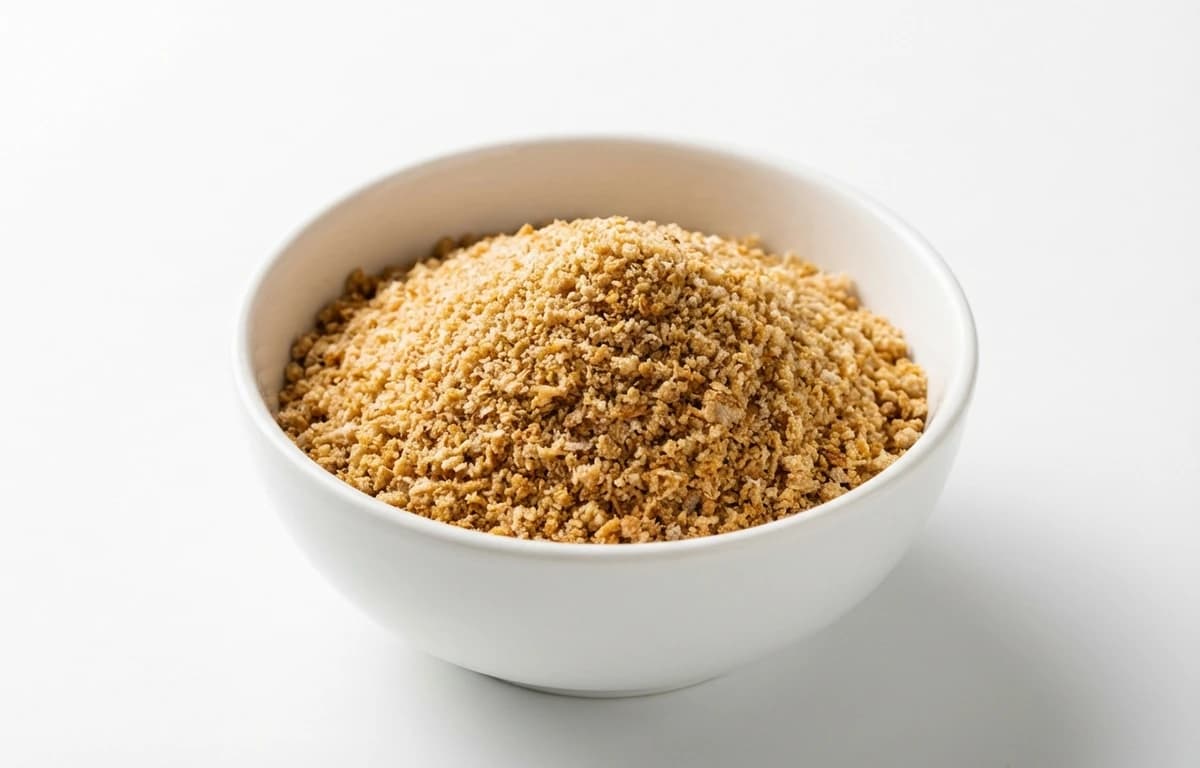
Whole wheat breadcrumbs have a distinctively nuttier, earthier, and more robust flavor compared to white breadcrumbs. They also tend to have a slightly heartier and coarser texture.
whole wheat breadcrumbs is a versatile ingredient found in cuisines around the world. With 382 calories per 100g and 14.8 grams of protein, it's a nutritious addition to many dishes.
Explore more ingredients in the grain category with complete nutrition information.
View all grain →Discover 10 recipes featuring whole wheat breadcrumbs with step-by-step instructions.
Browse recipes →Explore more ingredients similar to whole wheat breadcrumbs.
The most-searched ingredients on CraftMyMeals.
Yes, you can substitute them in a 1:1 ratio in almost any recipe. While the flavor will be slightly more pronounced and the color darker, they function identically as a binder or breading agent.
Store them in an airtight container in a cool, dry place like a pantry to prevent moisture from making them soggy. Because the natural oils in whole wheat can turn rancid, you can also store them in the freezer to extend their shelf life.
In a sealed container in the pantry, they typically stay fresh for 3 to 6 months. If stored in the freezer, they can last up to a year. Always check for a musty odor or signs of mold before using.