
Loading...
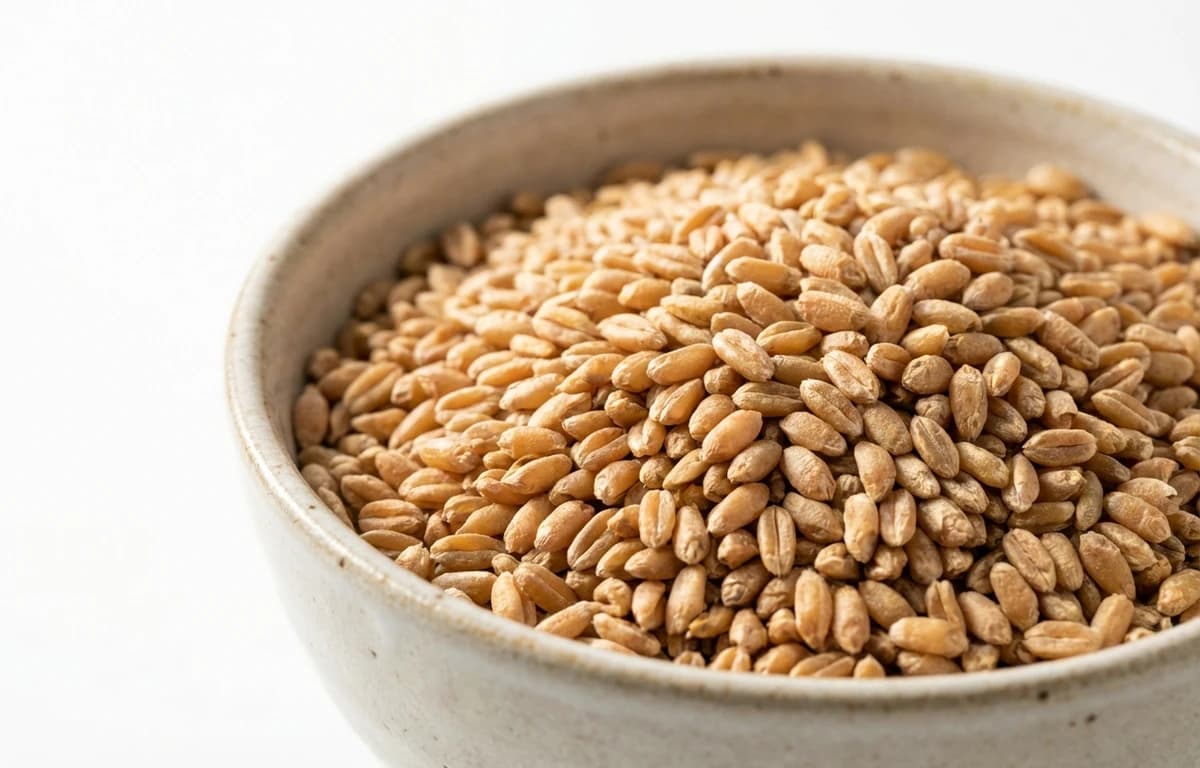
Also known as: wheat berries, whole wheat kernels, gehun, whole wheat
Per 100g
Nutrition data source: USDA FoodData Central
Common measurement equivalents in grams
When stored in an airtight container in a cool, dry place, they can last up to 1 year. In the freezer, they can last up to 2 years.
Rinse them well, then simmer in a 1:3 ratio of grains to water for 45-60 minutes until tender but chewy.
Yes, they make an excellent high-fiber substitute for rice in pilafs, salads, and side dishes.
Yes, wheat is a primary source of gluten and is not suitable for those with celiac disease or gluten sensitivity.
Check for a rancid or musty smell, visible mold, or signs of insect infestation like small holes or webbing.
Spelt berries, farro, kamut, or hulled barley are the closest substitutes in terms of texture and flavor.
Yes, always rinse them under cold running water to remove dust, debris, and excess starch.
Yes, cooked wheat berries freeze very well. Store them in portion-sized bags for up to 3 months.
They are the same thing; 'wheat berries' is the culinary term for the whole, unprocessed wheat kernel.
whole wheat grains is a versatile ingredient found in cuisines around the world. With 339 calories per 100g and 13.2 grams of protein, it's a nutritious addition to many dishes.
Explore more ingredients in the grain category with complete nutrition information.
View all grain →Discover 2 recipes featuring whole wheat grains with step-by-step instructions.
Browse recipes →Explore more ingredients similar to whole wheat grains.
The most-searched ingredients on CraftMyMeals.
Yes, their high fiber and protein content help you feel full longer, which can aid in calorie control.
