
Loading...
Per 100g
Nutrition data source: USDA FoodData Central
Common measurement equivalents in grams
Yes, whole wheat kernels are highly nutritious as they contain all parts of the grain: the bran, germ, and endosperm. They are rich in dietary fiber for gut health, provide essential minerals like iron and magnesium, and contain B vitamins for energy metabolism. Their low glycemic index also helps in regulating blood sugar levels.
A 100g serving of whole wheat kernels contains approximately 12.6g of protein and is very high in dietary fiber. This combination makes them more satiating and nutritionally dense compared to refined grains, supporting muscle maintenance and digestive regularity.
Yes, they can be beneficial for weight management. The high fiber content helps you feel full for longer, which can reduce overall calorie intake, while the complex carbohydrates provide sustained energy without the sharp insulin spikes associated with processed grains.
No, whole wheat kernels are not gluten-free. They are the whole grain form of wheat and contain gluten proteins, making them unsuitable for individuals with celiac disease or non-celiac gluten sensitivity.
No, they are not keto-friendly. With approximately 71.2g of carbohydrates per 100g, they are a high-carb food that would exceed the daily carbohydrate limit for a typical ketogenic diet.
To cook them, use a ratio of 1 part kernels to 3 parts water or broth. Bring to a boil, then simmer for 45-60 minutes until tender but chewy. You can also use a pressure cooker to reduce the cooking time to about 20-25 minutes.
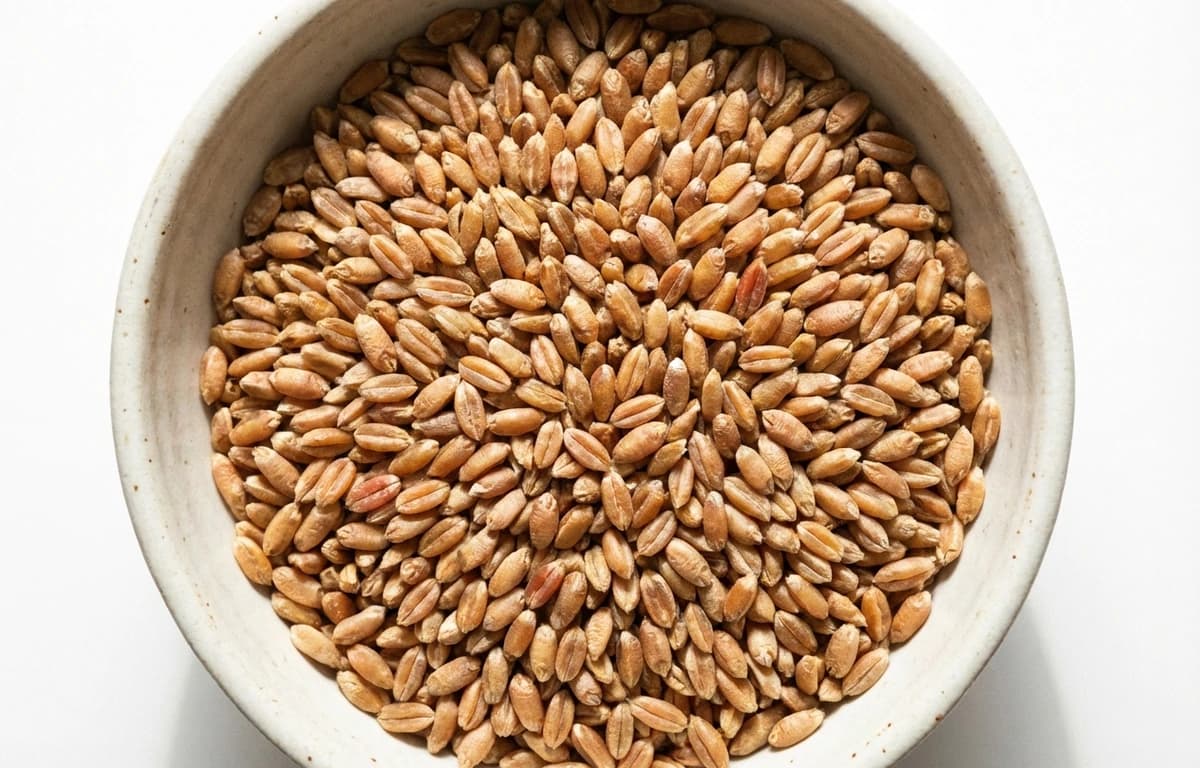
Whole wheat kernels, often called wheat berries, have a distinct nutty, earthy flavor and a firm, chewy texture. They hold their shape well after cooking, making them excellent for adding texture to salads, soups, and pilafs.
Whole Wheat Kernels is a versatile ingredient found in cuisines around the world. With 340 calories per 100g and 12.6 grams of protein, it's a nutritious addition to many dishes.
Explore more ingredients in the grain category with complete nutrition information.
View all grain →Discover 1 recipes featuring whole wheat kernels with step-by-step instructions.
Browse recipes →Yes, they make an excellent high-fiber substitute for white or brown rice. They work well in stir-fries, grain bowls, and side dishes, though they require a longer cooking time and offer a much chewier texture than standard rice.
Store them in an airtight container in a cool, dry, and dark place. In a pantry, they can last for up to 6-12 months; for even longer shelf life, you can store them in the freezer for up to 2 years to prevent the natural oils in the germ from going rancid.
While not strictly necessary, soaking kernels overnight can reduce the cooking time by about 15-20 minutes and may improve digestibility. If you choose not to soak them, simply increase the simmering time until they reach your desired tenderness.