
Loading...
Also known as:
Per 100g
Nutrition data source: USDA FoodData Central
Common measurement equivalents in grams
Yes, whole milk mozzarella is a nutrient-dense dairy product that provides high-quality protein, calcium, and Vitamin B12. While it is higher in calories and saturated fat than part-skim versions, it supports bone health and muscle repair when consumed in moderation.
Whole milk mozzarella contains approximately 22.2g of protein per 100g. This high protein content makes it an excellent food choice for muscle maintenance, growth, and promoting a feeling of fullness.
Yes, it is very keto-friendly. With 22.3g of fat and only 2.2g of carbohydrates per 100g, it fits perfectly into a high-fat, low-carb ketogenic diet.
Pure mozzarella cheese is naturally gluten-free as it is made from milk, rennet, and salt. If buying pre-shredded cheese, check the label for anti-caking agents, though these are also typically gluten-free starches.
Mozzarella contains small amounts of lactose, though significantly less than fluid milk. While not lactose-free, many people with mild lactose intolerance find they can tolerate semi-soft cheeses like mozzarella in small quantities.
Whole milk mozzarella has a higher fat content, which results in a superior melt, better stretch, and a creamier mouthfeel. It is less likely to become rubbery when heated, making it the preferred choice for pizza and lasagna.
Yes, you can freeze it for up to 3 months. For best results, shred the cheese before freezing; while the texture may become slightly more crumbly upon thawing, it will still melt perfectly for cooked dishes.
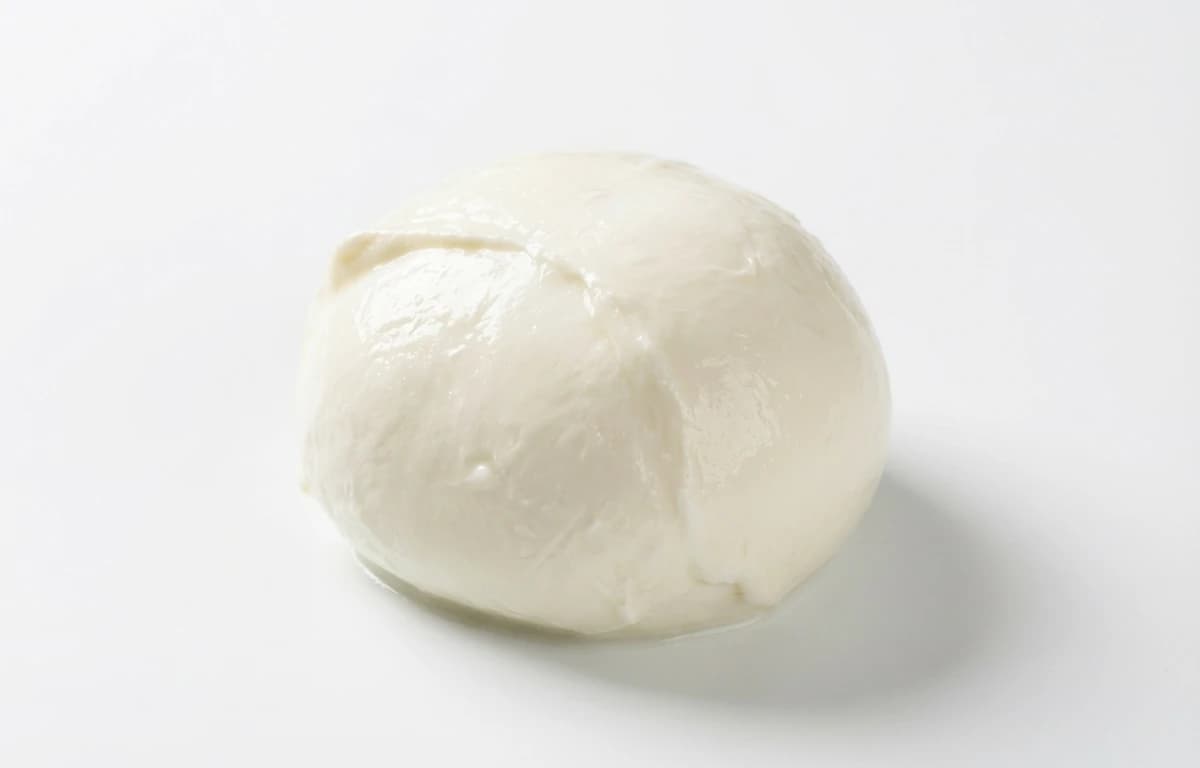
whole_milk_mozzarella_cheese is a versatile ingredient found in cuisines around the world. With 300 calories per 100g and 22.2 grams of protein, it's a nutritious addition to many dishes.
Explore more ingredients in the dairy category with complete nutrition information.
View all dairy →Discover 1 recipes featuring whole_milk_mozzarella_cheese with step-by-step instructions.
Browse recipes →Keep it refrigerated in its original airtight packaging. Once opened, wrap block cheese tightly in plastic wrap or parchment paper and store it in a sealed bag; it typically stays fresh for 2 to 3 weeks.
It is an excellent source of calcium and phosphorus for bone strength, Vitamin B12 for nerve function, and zinc for immune support. Its high protein content also aids in tissue repair and metabolic health.
Check for signs of mold, a sour or ammonia-like smell, or a slimy texture on the surface. If the cheese has hardened significantly or developed an off-color, it should be discarded.