
Other1 recipes
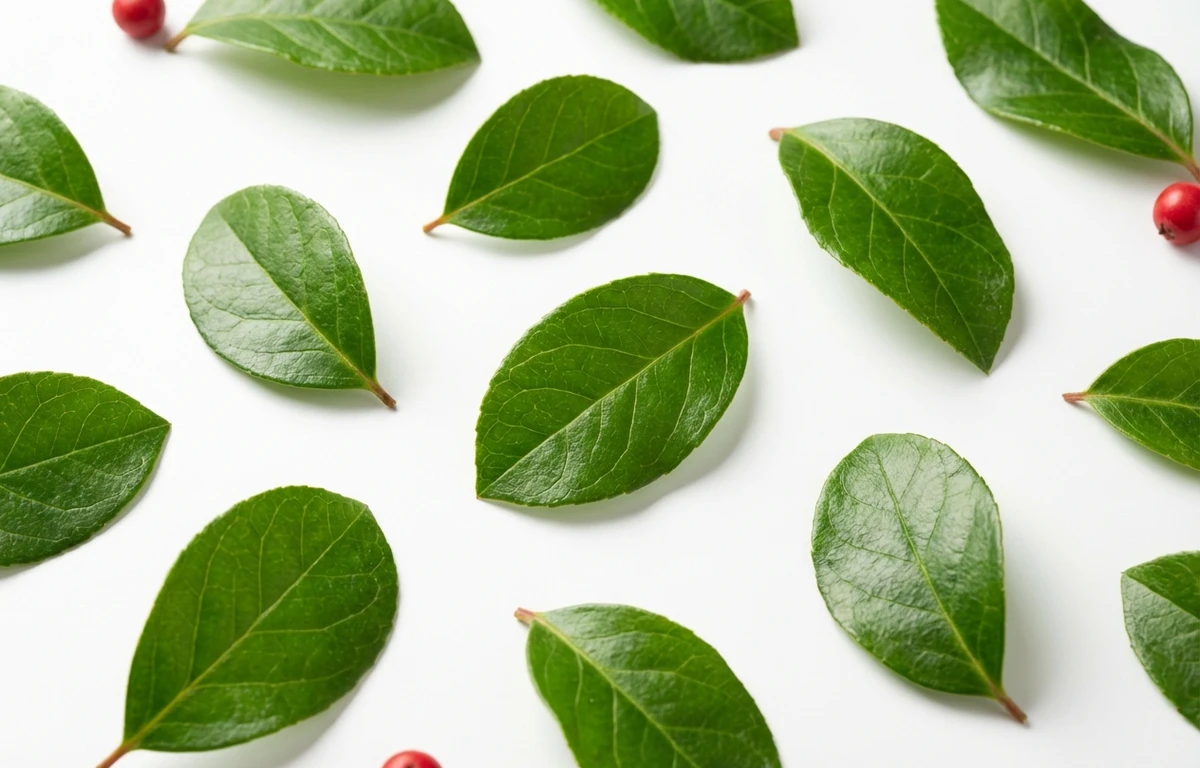
wintergreen leaves.
VegetarianVeganGluten-freeDairy-freeNut-freePeanut-freeSoy-freeEgg-freeShellfish-freeHoney-freeAlcohol-free
ALSO KNOWN AS
wintergreen
SERVING
CALORIES
25
PROTEIN
1.5g
CARBS
5.0g
FAT
0.40g
FIBER
2.5g
This ingredient is flagged as naturally gluten-free. Per 100 g, it provides 120 µg of vitamin K.
NUTRITION PROFILE · per 100 g
Everything in this ingredient.
MACRONUTRIENTS
Calories25kcal—
Protein1.5g3%
Carbohydrates5.0g2%
Fiber2.5g9%
Sugar0.50g1%
Total fat0.40g1%
Saturated fat0.05g0%
Trans fat0g—
Cholesterol0mg0%
Water88g—
MINERALS
Sodium5.0mg0%
Potassium210mg4%
Calcium45mg3%
Iron1.2mg7%
Magnesium20mg5%
Phosphorus30mg2%
Zinc0.30mg3%
Copper0.10mg11%
Manganese0.50mg22%
Selenium0.50µg1%
VITAMINS
Vitamin A25µg3%
Vitamin C15mg17%
Vitamin D0µg0%
Vitamin E0.80mg5%
Vitamin K120µg100%
Thiamin (B1)0.05mg4%
Riboflavin (B2)0.06mg5%
Niacin (B3)0.40mg3%
Pantothenic acid (B5)0.20mg4%
Vitamin B60.10mg6%
Folate (B9)40µg10%
Vitamin B120µg0%
%DV based on a 2,000 cal diet. Source: USDA FoodData Central. A dash in the %DV column means there’s no established Daily Value for that nutrient.
MEASUREMENT CONVERSIONS
How much is what.
1 cup59.2g
1 tablespoon3.7g
1 teaspoon1.2g
1 oz28.4g
1 lb453.6g
1 ml0.3g
1 liter250g
1 piece0.1g
HEALTH BENEFITS
Why eat it.
- ✓Traditionally used as a carminative to aid digestion, relieve gas, and soothe stomach discomfort.
- ✓Acts as a mild diuretic, potentially helping to increase urine flow and flush out toxins.
COOKING TIPS
In the kitchen.
- 1Use wintergreen leaves very sparingly as their flavor is extremely potent; a few leaves are often sufficient for an entire pot of tea or infusion.
- 2To make a tea, steep a small amount of fresh or dried leaves in hot water for 5-10 minutes. Avoid boiling, which can create a bitter, medicinal taste.
- 3Infuse leaves into simple syrups, vinegars, or creams for a unique minty flavor in desserts, cocktails, or dressings, always straining the leaves out before serving.
- 4Exercise extreme caution: Wintergreen contains high levels of methyl salicylate. Ingesting large quantities of the leaves or any amount of the essential oil can be toxic. Consult a healthcare professional before using it for medicinal purposes.
STORAGE
Keep it fresh.
- Store fresh wintergreen leaves wrapped in a damp paper towel inside a plastic bag in the refrigerator for up to 5-7 days.
- For long-term storage, dry the leaves completely and store them in an airtight container in a cool, dark, and dry place for up to one year.
FAQ
Frequently asked questions.
How many calories and carbs are in wintergreen leaves?
Wintergreen leaves are very low in calories, containing approximately 25 calories per 100g. They provide about 5g of carbohydrates, 1.5g of protein, and 0.4g of fat, making them a light addition to teas and recipes.
Are wintergreen leaves keto-friendly?
Yes, wintergreen leaves are keto-friendly. With only 5g of total carbohydrates per 100g—and much less in a typical serving size—they can easily be incorporated into a low-carb or ketogenic diet.
Are wintergreen leaves vegan and gluten-free?
Yes, wintergreen leaves are naturally vegan and gluten-free. They are a plant-based herb and do not contain any animal products or gluten-containing grains.
How do you use wintergreen leaves in cooking?
They are most commonly used to make herbal tea by steeping the leaves in hot water. They can also be used to flavor syrups, desserts, and candies, though they should be used sparingly because their flavor is quite potent.
Can I eat wintergreen leaves raw?
While you can chew on raw wintergreen leaves, they are relatively tough and have a very strong flavor. Most people prefer to use them as an infusion for beverages or as a flavoring agent rather than consuming the leaves whole.
How should I store fresh wintergreen leaves?
Fresh leaves should be wrapped in a damp paper towel and stored in a sealed plastic bag in the refrigerator, where they will last for about a week. For long-term storage, the leaves can be dried and kept in an airtight container in a cool, dark place.
Are there any safety concerns with wintergreen leaves?
Because they contain methyl salicylate, individuals who are allergic to aspirin or taking blood-thinning medications should consult a doctor before consuming them. Additionally, while the leaves are used in tea, pure wintergreen essential oil is toxic and should never be ingested.
Can wintergreen leaves help with digestion?
Yes, wintergreen leaves act as a carminative, which means they can help soothe stomach discomfort and reduce gas. They are often consumed as a warm tea after meals to support healthy digestion.
RECIPES
Cook with wintergreen leaves.
1 recipes · sorted by what’s quick



















