Condiment10 recipes
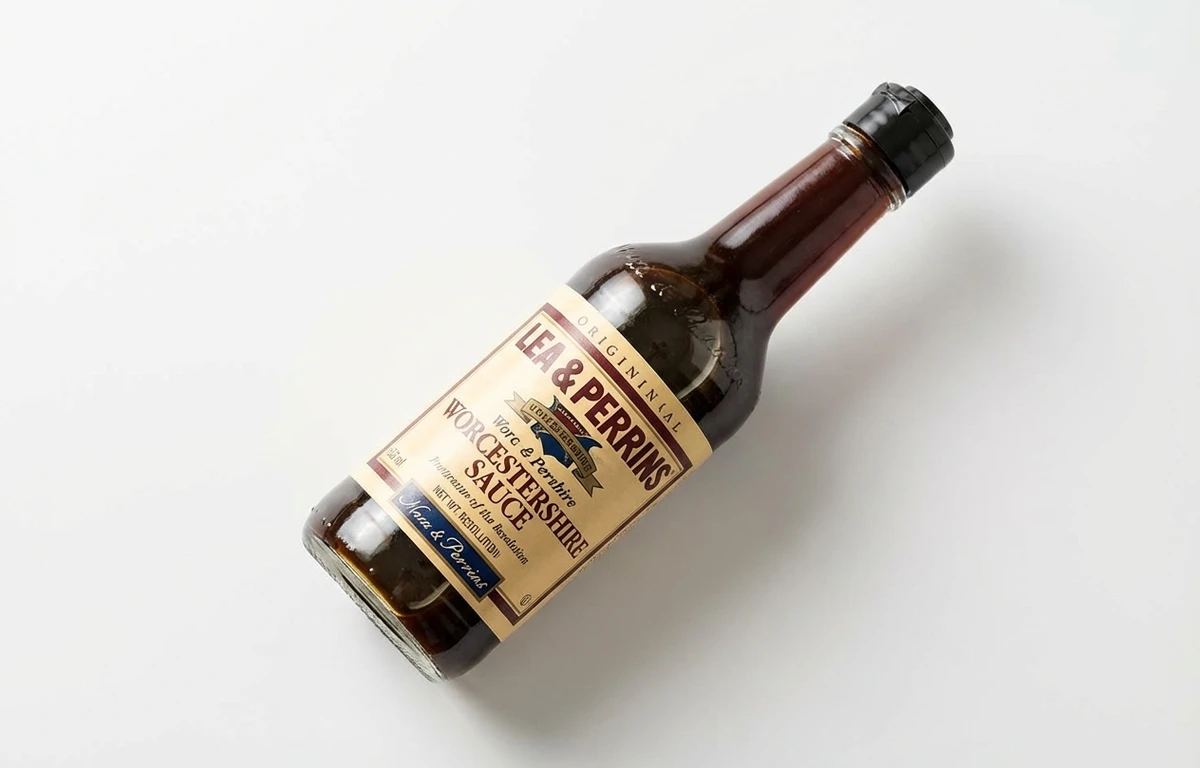
worcestershire sauce.
VegetarianVeganGluten-freeDairy-freeNut-freePeanut-freeSoy-freeEgg-freeShellfish-freeHoney-freeAlcohol-freeHalalKosherFermented
SERVING
CALORIES
78
PROTEIN
0g
CARBS
19g
FAT
0g
FIBER
0g
NUTRITION PROFILE · per 100 g
Everything in this ingredient.
MACRONUTRIENTS
Calories78kcal—
Protein0g0%
Carbohydrates19g7%
Fiber0g0%
Sugar10g20%
Total fat0g0%
Saturated fat0g0%
Trans fat0g—
Cholesterol0mg0%
Water75g—
MINERALS
Sodium980mg43%
Potassium800mg17%
Calcium80mg6%
Iron5.3mg29%
Magnesium13mg3%
Phosphorus60mg5%
Zinc0.20mg2%
Copper0.10mg11%
Manganese0.10mg4%
Selenium0.70µg1%
VITAMINS
Vitamin A0µg0%
Vitamin C13mg14%
Vitamin D0µg0%
Vitamin E0mg0%
Vitamin K0µg0%
Thiamin (B1)0.01mg1%
Riboflavin (B2)0.04mg3%
Niacin (B3)0.20mg1%
Pantothenic acid (B5)0.10mg2%
Vitamin B60.06mg4%
Folate (B9)0µg0%
Vitamin B120µg0%
%DV based on a 2,000 cal diet. Source: USDA FoodData Central. A dash in the %DV column means there’s no established Daily Value for that nutrient.
MEASUREMENT CONVERSIONS
How much is what.
1 cup276g
1 tablespoon17.3g
1 teaspoon5.8g
1 oz28.4g
1 lb453.6g
1 ml1.2g
1 liter1150g
HEALTH BENEFITS
Why eat it.
- ✓Rich in iron which supports blood health
- ✓Contains potassium for heart function
- ✓Low in calories and fat-free
- ✓Provides a source of Vitamin C
- ✓Adds deep umami flavor without heavy fats
COOKING TIPS
In the kitchen.
- 1Use as a marinade for steaks and burgers to enhance meatiness
- 2Add a few drops to stews, gravies, or soups for depth of flavor
- 3Essential ingredient for Caesar salad dressing and Bloody Mary cocktails
STORAGE
Keep it fresh.
- Store in a cool, dark pantry if unopened
- Refrigerate after opening to maintain peak flavor
- Keep the cap tightly sealed to prevent evaporation
FAQ
Frequently asked questions.
Is Worcestershire sauce vegan?
Traditional Worcestershire sauce is not vegan as it contains anchovies. However, vegan-specific versions are available that omit the fish.
Does Worcestershire sauce contain gluten?
Most traditional brands use barley malt vinegar, which contains gluten. Look for certified gluten-free versions made with distilled vinegar if you have a sensitivity.
How long does it last after opening?
When refrigerated, it can last for 2 to 3 years, though the flavor is best within the first year.
What is a good substitute for Worcestershire sauce?
A mix of soy sauce, lemon juice, and a pinch of sugar or a dash of hot sauce can mimic the savory, tangy profile.
Why is it fermented?
The sauce is aged in barrels for up to 18 months to allow the flavors of onions, garlic, and anchovies to mellow and develop complexity.
Is it high in sodium?
Yes, it is quite high in sodium, so it should be used sparingly, especially by those on salt-restricted diets.
Can it be used as a table sauce?
Yes, it is commonly used as a condiment for finished dishes like steaks, oysters, or even cheese on toast.
Does it need to be shaken?
Yes, sediment can settle at the bottom, so it is best to give the bottle a quick shake before use.
RECIPES
Cook with worcestershire sauce.
10 recipes · sorted by what’s quick