
Other2 recipes
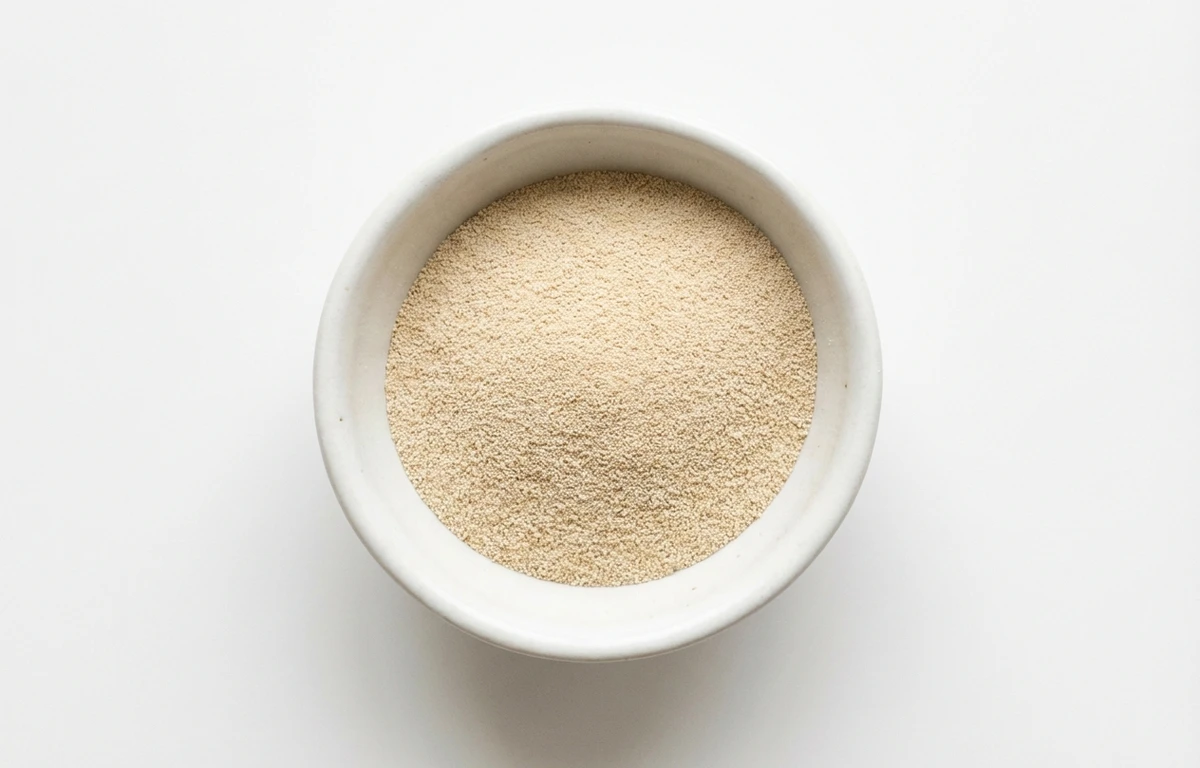
yeast nutrient.
VegetarianVeganGluten-freeDairy-freeNut-freePeanut-freeSoy-freeEgg-freeShellfish-freeHoney-freeAlcohol-free
ALSO KNOWN AS
yeast food
SERVING
CALORIES
45
PROTEIN
8.0g
CARBS
3.0g
FAT
0.10g
FIBER
0g
This ingredient is flagged as naturally gluten-free. Per 100 g, it provides 0 µg of vitamin K.
NUTRITION PROFILE · per 100 g
Everything in this ingredient.
MACRONUTRIENTS
Calories45kcal—
Protein8.0g16%
Carbohydrates3.0g1%
Fiber0g0%
Sugar0g0%
Total fat0.10g0%
Saturated fat0g0%
Trans fat0g—
Cholesterol0mg0%
Water5.0g—
MINERALS
Sodium150mg7%
Potassium450mg10%
Calcium20mg2%
Iron2.5mg14%
Magnesium120mg29%
Phosphorus18000mg1440%
Zinc5.0mg45%
Copper0.10mg11%
Manganese0.20mg9%
Selenium15µg27%
VITAMINS
Vitamin A0µg0%
Vitamin C0mg0%
Vitamin D0µg0%
Vitamin E0mg0%
Vitamin K0µg0%
Thiamin (B1)50mg4167%
Riboflavin (B2)2.0mg154%
Niacin (B3)10mg63%
Pantothenic acid (B5)5.0mg100%
Vitamin B62.0mg118%
Folate (B9)100µg25%
Vitamin B120µg0%
%DV based on a 2,000 cal diet. Source: USDA FoodData Central. A dash in the %DV column means there’s no established Daily Value for that nutrient.
MEASUREMENT CONVERSIONS
How much is what.
1 cup144g
1 tablespoon9g
1 teaspoon3g
1 ml0.6g
1 liter600g
HEALTH BENEFITS
Why eat it.
- ✓Promotes vigorous and complete fermentation in brewing, winemaking, and baking.
- ✓Ensures consistent product quality by providing essential minerals, nitrogen, and vitamins for yeast health.
- ✓Improves the rise and texture of bread by boosting yeast activity.
COOKING TIPS
In the kitchen.
- 1In brewing or winemaking, add to the wort or must before pitching the yeast, typically during the last 10-15 minutes of the boil.
- 2For baking, dissolve the nutrient in the warm liquid used for proofing the yeast to ensure it is evenly distributed throughout the dough.
- 3Always follow the dosage instructions on the package, as overuse can sometimes negatively impact the flavor of the final product.
- 4Especially beneficial for fermenting nutrient-poor bases like honey (mead), pure sugar washes, or certain fruit juices.
STORAGE
Keep it fresh.
- Store in a cool, dry, dark place, such as a pantry or cupboard.
- Keep the container tightly sealed to prevent moisture absorption, which can cause clumping and reduce effectiveness.
FAQ
Frequently asked questions.
Is yeast nutrient healthy?
Yeast nutrient is generally safe and used in very small quantities as a processing aid. While it contains some protein and minerals, its primary purpose is to support yeast health during fermentation rather than providing direct nutritional benefits to humans.
What is the nutritional value of yeast nutrient?
Per 100g, yeast nutrient contains approximately 45 calories, 8g of protein, 3g of carbohydrates, and 0.1g of fat. However, because typical usage is only a few grams per batch, its caloric contribution to the final food or beverage is negligible.
Is yeast nutrient vegan?
Most yeast nutrients are vegan as they are typically composed of inorganic salts like diammonium phosphate, vitamins, and sometimes inactivated yeast. Always check the label of specific brands to ensure no animal-derived processing aids were used.
Is yeast nutrient gluten-free?
Yes, pure yeast nutrient is naturally gluten-free. It is primarily made of nitrogen sources, minerals, and vitamins that do not contain wheat, barley, or rye derivatives.
How do you use yeast nutrient in baking or brewing?
In brewing, add it to the wort or must before or during fermentation to provide nitrogen. In baking, mix a small amount—usually about 0.5% of the flour weight—with dry ingredients to improve dough rise and crumb texture.
Can I substitute yeast nutrient with something else?
You can substitute commercial nutrient by adding a small amount of boiled bread yeast, which provides organic nitrogen. A pinch of Epsom salt and a crushed multivitamin can also work in a pinch for brewing, though commercial blends are more reliable.
What does yeast nutrient taste like?
In its concentrated powder form, it has a salty, slightly metallic, or chemical taste. However, when used in the correct proportions, it is entirely consumed by the yeast and leaves no flavor in the finished bread, beer, or wine.
Is yeast nutrient the same as nutritional yeast?
No, they are different products. Nutritional yeast is a deactivated yeast used as a food seasoning for its cheesy flavor, while yeast nutrient is a blend of minerals and salts used specifically to feed living yeast during the fermentation process.
RECIPES
Cook with yeast nutrient.
2 recipes · sorted by what’s quick



















