Grain
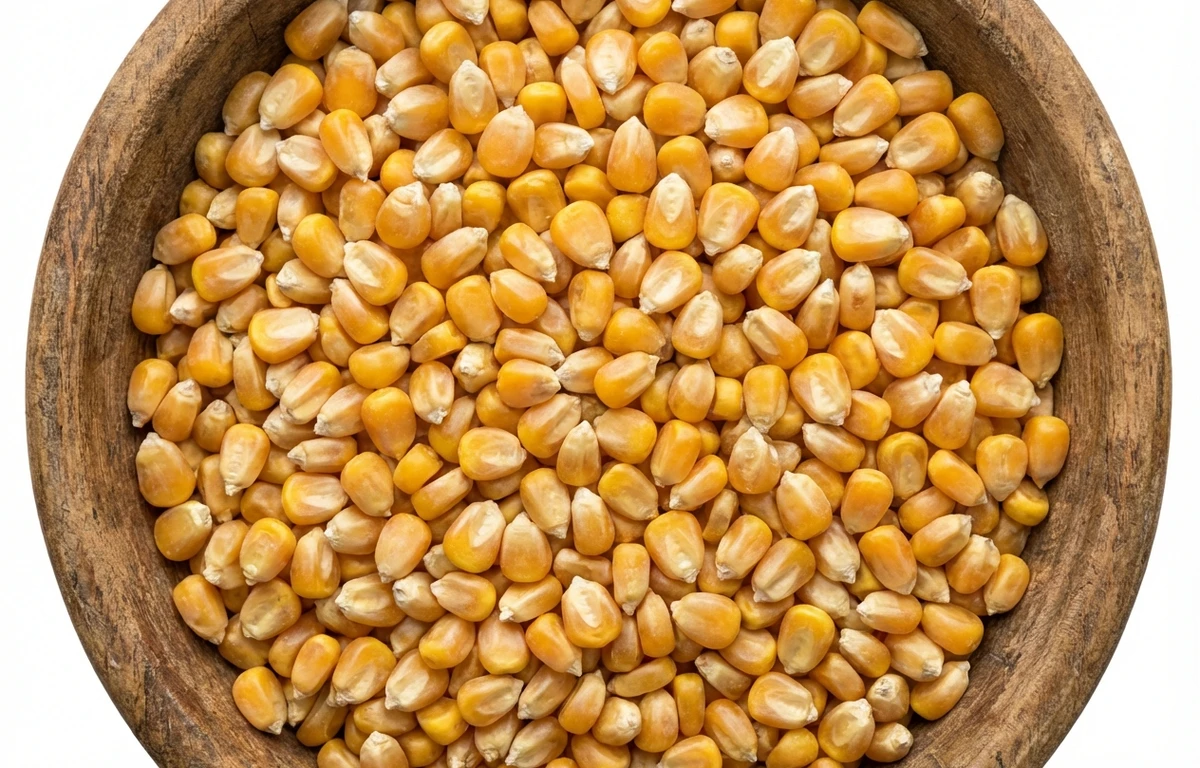
yellow corn.
VegetarianVeganGluten-freeDairy-freeNut-freePeanut-freeSoy-freeEgg-freeShellfish-freeHoney-freeAlcohol-freeWhole grain
SERVING
CALORIES
365
PROTEIN
9.4g
CARBS
74.3g
FAT
4.7g
FIBER
7.3g
NUTRITION PROFILE · per 100 g
Everything in this ingredient.
MACRONUTRIENTS
Calories365kcal—
Protein9.4g19%
Carbohydrates74.3g27%
Fiber7.3g26%
Sugar0.64g1%
Total fat4.7g6%
Saturated fat0.67g3%
Cholesterol0mg0%
Water10.4g—
MINERALS
Sodium35mg2%
Potassium287mg6%
Calcium7.0mg1%
Iron2.7mg15%
Magnesium127mg30%
Phosphorus210mg17%
Zinc2.2mg20%
Copper0.31mg34%
Manganese0.49mg21%
Selenium15.5µg28%
VITAMINS
Vitamin A11µg1%
Vitamin C0mg0%
Vitamin D0µg0%
Vitamin E0.49mg3%
Vitamin K0.30µg0%
Thiamin (B1)0.39mg33%
Riboflavin (B2)0.20mg15%
Niacin (B3)3.6mg23%
Pantothenic acid (B5)0.42mg8%
Vitamin B60.62mg36%
Folate (B9)19µg5%
Vitamin B120µg0%
%DV based on a 2,000 cal diet. Source: USDA FoodData Central. A dash in the %DV column means there’s no established Daily Value for that nutrient.
MEASUREMENT CONVERSIONS
How much is what.
1 cup166g
1 tablespoon10.4g
1 teaspoon3.5g
1 ml0.7g
1 liter691.7g
HEALTH BENEFITS
Why eat it.
- ✓Rich in antioxidants, particularly carotenoids like lutein and zeaxanthin, which support eye health and may reduce the risk of age-related macular degeneration.
- ✓A good source of dietary fiber, which aids in digestion, promotes a healthy gut microbiome, and can help manage blood sugar levels.
- ✓Provides essential vitamins and minerals such as B vitamins (niacin, thiamin, folate), magnesium, and phosphorus, which are crucial for energy metabolism and bone health.
- ✓Contains resistant starch that acts as a prebiotic, feeding beneficial gut bacteria and potentially improving metabolic health.
COOKING TIPS
In the kitchen.
- 1For grilling, soak corn in its husk in cold water for at least 15 minutes before placing on the grill. This steams the kernels and prevents the husks from burning too quickly.
- 2To boil, bring a large pot of unsalted water to a boil, add shucked corn, and cook for 3-5 minutes. Adding salt to the water can toughen the kernels.
- 3Easily remove kernels by standing a shucked cob on its end in a large bowl and slicing downwards with a sharp knife. The bowl will catch the kernels.
- 4Sauté fresh or frozen kernels with butter, lime juice, and chili powder for a simple and flavorful side dish known as 'elote' or Mexican street corn.
STORAGE
Keep it fresh.
- Store fresh corn on the cob with husks intact in the refrigerator for no more than 1-3 days. The natural sugars convert to starch quickly, reducing sweetness.
- For long-term storage, blanch kernels for 2-3 minutes, cool in an ice bath, drain, and freeze in airtight bags or containers for up to 12 months.
FAQ
Frequently asked questions.
Is yellow corn healthy?
Yes, yellow corn is a nutritious grain rich in B vitamins, magnesium, and phosphorus. It is particularly valued for its high antioxidant content, specifically lutein and zeaxanthin, which are essential for maintaining eye health.
How much protein and fiber are in yellow corn?
Yellow corn provides approximately 9.42g of protein per 100g. It is also an excellent source of dietary fiber and resistant starch, which act as prebiotics to support a healthy gut microbiome and aid digestion.
Is yellow corn gluten-free?
Yes, yellow corn is naturally gluten-free. It is a safe and common alternative for individuals with celiac disease or gluten sensitivities when used as a whole grain, flour, or meal.
Is yellow corn keto-friendly?
No, yellow corn is not typically considered keto-friendly due to its high carbohydrate content, which is about 74.26g per 100g. Those on a strict ketogenic diet usually avoid corn to stay within their daily carb limits.
What is the difference between yellow and white corn?
The primary difference is the presence of beta-carotene in yellow corn, which gives it its color and provides Vitamin A. While they have similar calorie and sugar counts, yellow corn offers more antioxidants for eye health than white corn.
How do you cook yellow corn?
Yellow corn is highly versatile and can be boiled, steamed, grilled, or roasted. For the best flavor, boil corn on the cob for 5-7 minutes or grill it until slightly charred to caramelize its natural sugars.
Can you eat yellow corn raw?
Yes, fresh yellow corn can be eaten raw, especially when it is young and tender. It has a sweet, milky flavor and a crunchy texture that works well in salads, salsas, and slaws.
How do you store fresh yellow corn?
Fresh corn should be kept in its husk and stored in the refrigerator to prevent it from drying out. It is best consumed within two days of purchase, as the natural sugars begin to turn into starch quickly after harvest.
Is yellow corn good for weight loss?
Yellow corn can support weight loss because its high fiber content promotes a feeling of fullness. However, it contains 365 calories per 100g, so it should be consumed in moderation as part of a balanced diet.
Is yellow corn a vegetable or a grain?
Yellow corn is unique because it is botanically a grain, but it is often prepared and consumed as a starchy vegetable. When harvested dry for cornmeal, it is treated as a cereal grain; when eaten fresh on the cob, it is treated as a vegetable.