
Loading...
Also known as: pumpkin, kaddu, kadoo
Per 100g
Nutrition data source: USDA FoodData Central
Common measurement equivalents in grams
Yes, yellow pumpkin is highly nutritious. It is rich in beta-carotene, which the body converts to Vitamin A for eye health, and contains antioxidants like Vitamin C and E to support the immune system.
Yellow pumpkin is excellent for weight loss because it is very low in calories, containing only 26 calories per 100g. Its high fiber content also promotes satiety, helping you feel full for longer periods.
With approximately 6.5g of carbohydrates per 100g, yellow pumpkin can be included in a keto diet in moderation. While it is lower in carbs than potatoes, it should be portion-controlled to stay within daily carb limits.
Yellow pumpkin is versatile and can be roasted, steamed, boiled, or sautéed. It is commonly used in soups, curries, and stews, or mashed as a side dish similar to potatoes.
While technically edible raw, yellow pumpkin is quite tough and has a starchy taste when uncooked. It is much more palatable and easier to digest when roasted, steamed, or boiled.
The skin of the yellow pumpkin is edible and becomes soft when cooked, especially when roasted. However, many people prefer to peel it for a smoother texture in soups or purees.
Yellow pumpkin has a mild, earthy, and slightly sweet flavor. Its texture is creamy and soft once cooked, making it very similar to butternut squash.
Whole pumpkins should be kept in a cool, dry place for up to two months. Once cut, wrap the pieces in plastic or store in an airtight container in the refrigerator for up to 5 days.
yellow pumpkin is a versatile ingredient found in cuisines around the world. With 26 calories per 100g and 1 grams of protein, it's a nutritious addition to many dishes.
Explore more ingredients in the vegetable category with complete nutrition information.
View all vegetable →Discover 10 recipes featuring yellow pumpkin with step-by-step instructions.
Browse recipes →Explore more ingredients similar to yellow pumpkin.
The most-searched ingredients on CraftMyMeals.
Yes, yellow pumpkin is a good choice for diabetics due to its high fiber content, which helps regulate blood sugar levels. It has a moderate glycemic load, so it should be consumed in balanced portions.
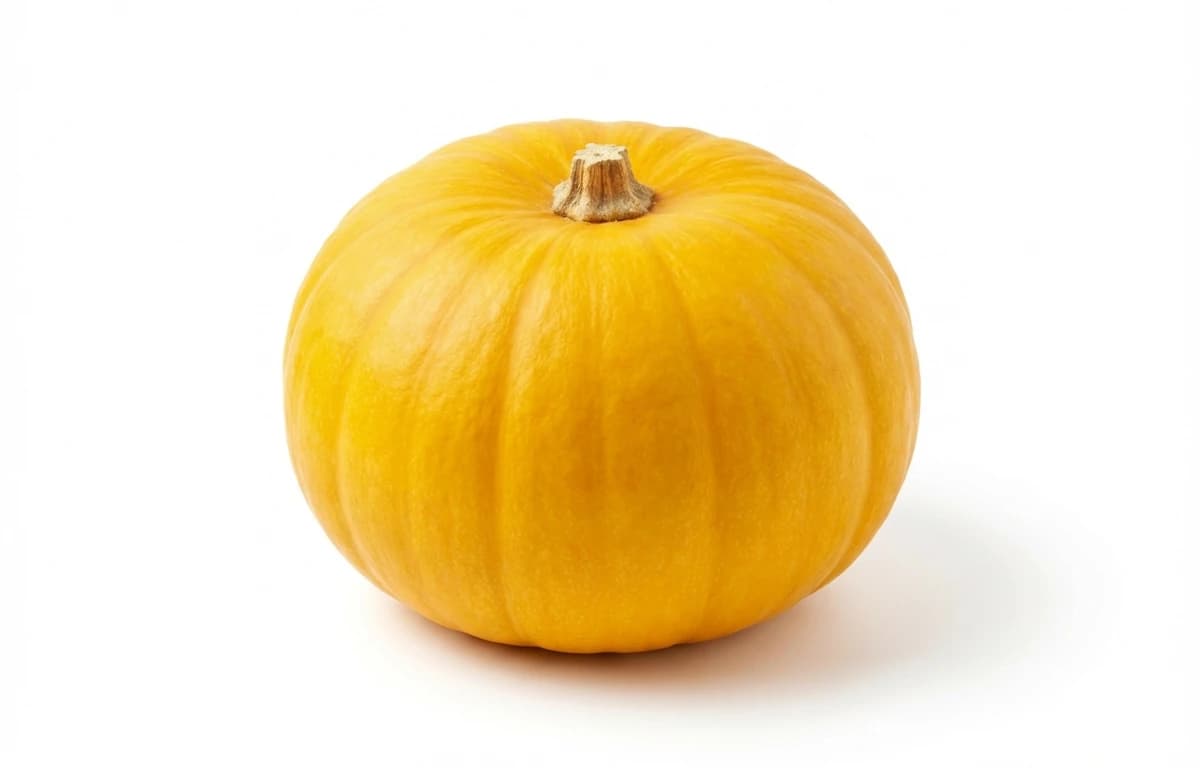
A fresh yellow pumpkin should feel heavy for its size and have a firm, hard skin without soft spots or cracks. The stem should be dry and firmly attached.