legume1 recipes
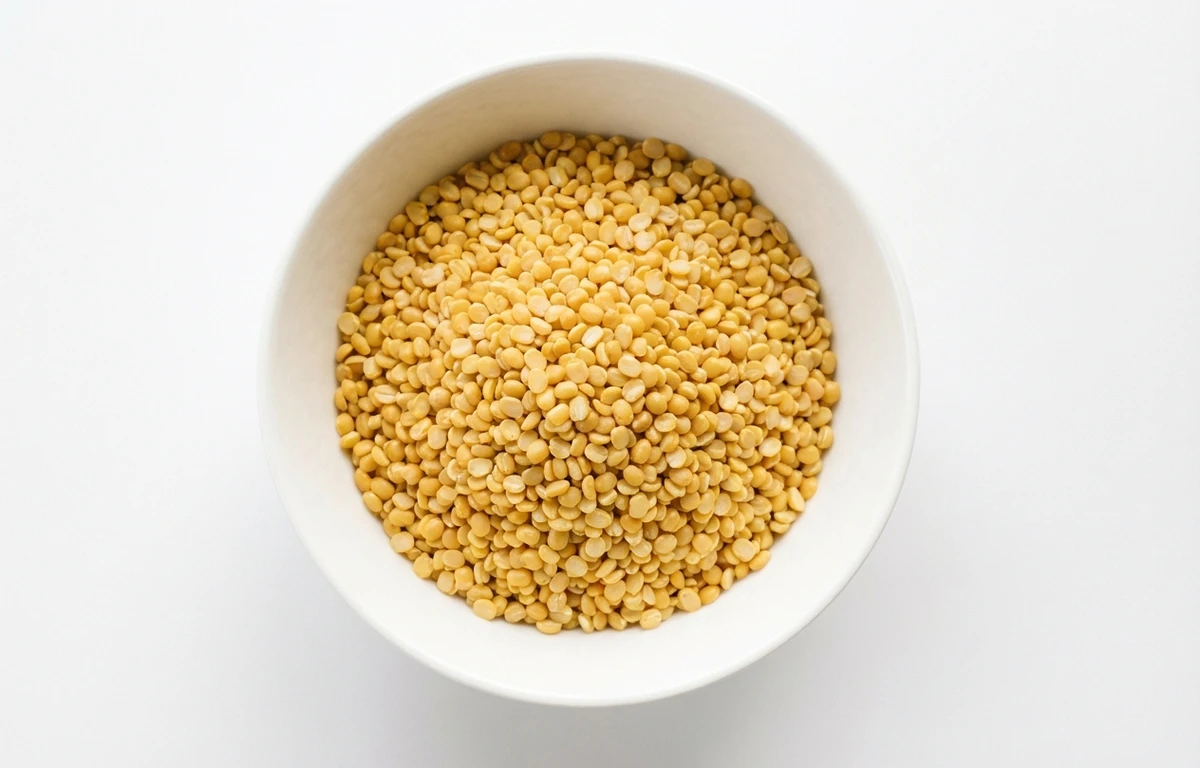
Yellow Split Moong Dal.
VegetarianVeganGluten-freeDairy-freeNut-freePeanut-freeSoy-freeEgg-freeShellfish-freeHoney-freeAlcohol-free
SERVING
CALORIES
347
PROTEIN
24.5g
CARBS
63g
FAT
1.2g
FIBER
16g
NUTRITION PROFILE · per 100 g
Everything in this ingredient.
MACRONUTRIENTS
Calories347kcal—
Protein24.5g49%
Carbohydrates63g23%
Fiber16g57%
Sugar2.5g5%
Total fat1.2g2%
Saturated fat0.30g2%
Trans fat0g—
Cholesterol0mg0%
Water9.0g—
MINERALS
Sodium15mg1%
Potassium1246mg27%
Calcium132mg10%
Iron7.5mg42%
Magnesium189mg45%
Phosphorus367mg29%
Zinc3.2mg29%
Copper0.90mg100%
Manganese1.8mg78%
Selenium6.0µg11%
VITAMINS
Vitamin A6.0µg1%
Vitamin C4.8mg5%
Vitamin E0.50mg3%
Vitamin K4.8µg4%
Thiamin (B1)0.47mg39%
Riboflavin (B2)0.18mg14%
Niacin (B3)2.3mg14%
Pantothenic acid (B5)0.60mg12%
Vitamin B60.27mg16%
Folate (B9)625µg156%
%DV based on a 2,000 cal diet. Source: USDA FoodData Central. A dash in the %DV column means there’s no established Daily Value for that nutrient.
MEASUREMENT CONVERSIONS
How much is what.
1 cup200g
1 tablespoon15g
1 teaspoon5g
1 oz28.4g
1 lb453.6g
1 ml117.7g
HEALTH BENEFITS
Why eat it.
- ✓High in plant-based protein, essential for muscle repair and growth.
- ✓Rich in dietary fiber, aiding digestion and promoting satiety.
- ✓Good source of B vitamins, particularly folate, important for cell function.
- ✓May help regulate blood sugar levels due to its low glycemic index.
- ✓Contributes to heart health by helping to lower cholesterol.
COOKING TIPS
In the kitchen.
- 1Rinse thoroughly under cold water before cooking to remove any dust or debris.
- 2Soaking for 30 minutes to 1 hour can reduce cooking time, though it's not strictly necessary for split dal.
- 3Cook until tender, either on the stovetop or in a pressure cooker, typically 15-20 minutes after boiling.
STORAGE
Keep it fresh.
- Store in an airtight container in a cool, dry, dark place.
- Keep away from direct sunlight and moisture to prevent spoilage.
- Properly stored, it can last for up to 1-2 years.
FAQ
Frequently asked questions.
Is yellow split moong dal healthy?
Yes, yellow split moong dal is highly nutritious. It is an excellent source of plant-based protein (24.5g per 100g) and dietary fiber, which supports muscle growth, aids digestion, and promotes heart health by helping to lower cholesterol.
How much protein and calories are in yellow split moong dal?
A 100g serving of dry yellow split moong dal contains approximately 347 calories and 24.5g of protein. It is also very low in fat, containing only about 1.2g per 100g, making it a lean protein source.
Is yellow split moong dal gluten-free?
Yes, yellow split moong dal is naturally gluten-free. It is a safe and healthy ingredient for individuals with celiac disease or those following a gluten-restricted diet.
Is yellow split moong dal vegan and keto-friendly?
Yellow split moong dal is 100% vegan as it is a plant-based legume. However, it is not considered keto-friendly because it contains 63g of carbohydrates per 100g, which is too high for a strict ketogenic diet.
Do I need to soak yellow split moong dal before cooking?
While not strictly necessary because the dal is split and the husk is removed, soaking for 15 to 30 minutes is recommended. Soaking helps reduce cooking time and improves the digestibility of the legumes.
How do you cook yellow split moong dal?
Rinse the dal thoroughly and boil it in a 1:3 ratio of dal to water. On a stovetop, it typically takes 15-20 minutes to become soft and creamy; in a pressure cooker, it takes about 5-7 minutes.
What does yellow split moong dal taste like?
It has a mild, slightly sweet, and nutty flavor. Because it lacks the outer skin, it has a very soft texture and breaks down easily during cooking, making it perfect for creamy soups and purees.
Is yellow split moong dal easy to digest?
Yes, it is widely considered one of the easiest legumes to digest because the tough outer skin has been removed. It is often used in traditional recovery foods, like Kitchari, for those with sensitive stomachs.
How should I store yellow split moong dal?
Store dry dal in an airtight container in a cool, dry, and dark place like a pantry. When kept away from moisture and heat, it can remain fresh and nutritionally intact for up to 12 months.
Can diabetics eat yellow split moong dal?
Yes, it is beneficial for diabetics due to its low glycemic index and high fiber content. These properties help regulate blood sugar levels by slowing down the absorption of glucose into the bloodstream.
RECIPES
Cook with yellow split moong dal.
1 recipes · sorted by what’s quick
SAME CATEGORY