fermentation culture1 recipes
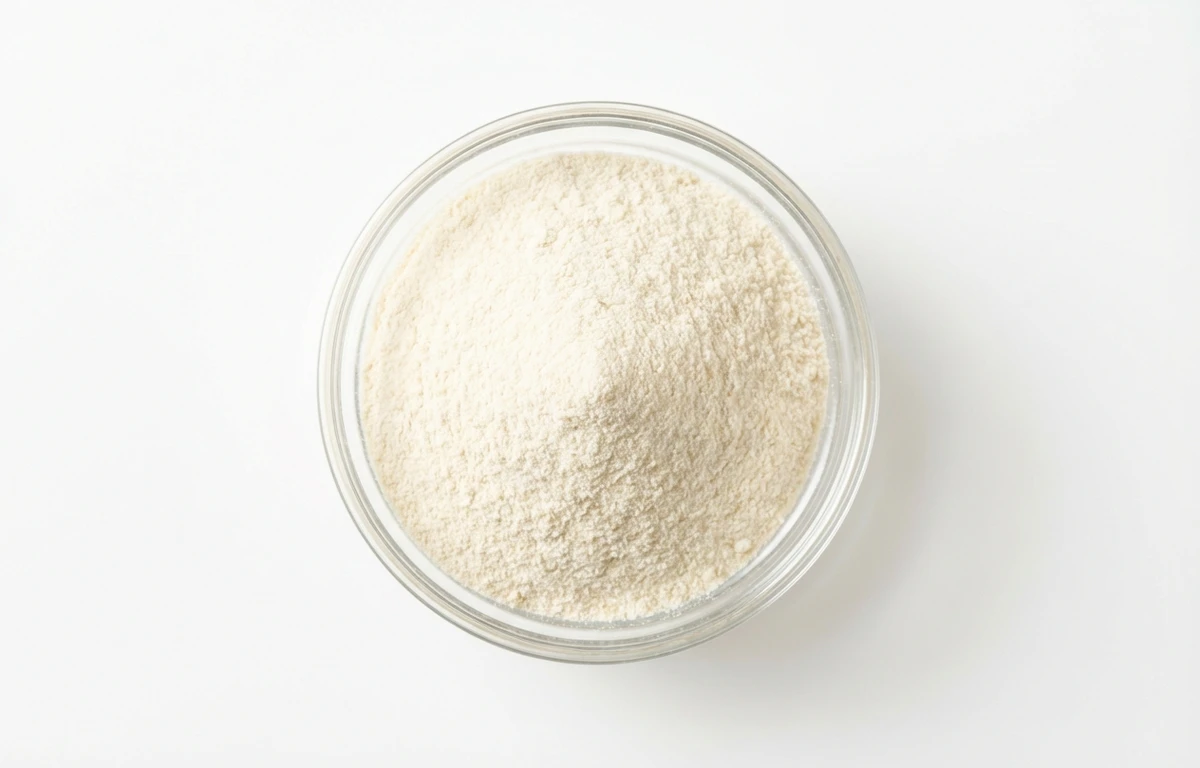
Yogurt Starter.
VegetarianVeganGluten-freeDairy-freeNut-freePeanut-freeSoy-freeEgg-freeShellfish-freeHoney-freeAlcohol-freeFermented
SERVING
CALORIES
360
PROTEIN
36g
CARBS
52g
FAT
0.60g
FIBER
0g
NUTRITION PROFILE · per 100 g
Everything in this ingredient.
MACRONUTRIENTS
Calories360kcal—
Protein36g72%
Carbohydrates52g19%
Sugar52g104%
Total fat0.60g1%
Saturated fat0.40g2%
Cholesterol10mg3%
Water4.0g—
MINERALS
Sodium500mg22%
Potassium1700mg36%
Calcium1300mg100%
Iron0.10mg1%
Magnesium100mg24%
Phosphorus1000mg80%
Zinc4.0mg36%
Copper0.05mg6%
Manganese0.02mg1%
Selenium20µg36%
VITAMINS
Vitamin A6.0µg1%
Thiamin (B1)0.40mg33%
Riboflavin (B2)1.7mg131%
Niacin (B3)1.0mg6%
Pantothenic acid (B5)3.5mg70%
Vitamin B60.40mg24%
Folate (B9)50µg13%
Vitamin B123.0µg125%
%DV based on a 2,000 cal diet. Source: USDA FoodData Central. A dash in the %DV column means there’s no established Daily Value for that nutrient.
MEASUREMENT CONVERSIONS
How much is what.
1 cup165.6g
1 tablespoon10.5g
1 teaspoon3.5g
1 ml142.9g
HEALTH BENEFITS
Why eat it.
- ✓Contains beneficial probiotic bacteria
- ✓Aids in the fermentation process of milk into yogurt
- ✓Contributes to gut health when consumed in yogurt
- ✓Helps create a nutrient-rich food (yogurt)
- ✓Supports digestive balance
COOKING TIPS
In the kitchen.
- 1Ensure all equipment used for yogurt making is sterilized to prevent contamination.
- 2Maintain the recommended fermentation temperature for optimal bacterial activity.
- 3Follow specific instructions on the starter culture packaging for activation and usage rates.
STORAGE
Keep it fresh.
- Store in a cool, dark place away from direct sunlight.
- Refrigerate or freeze for extended shelf life, especially after opening.
- Keep the package tightly sealed to prevent moisture absorption and contamination.
FAQ
Frequently asked questions.
Is yogurt starter healthy?
Yes, yogurt starter is highly beneficial as it is a concentrated source of probiotics like Lactobacillus bulgaricus and Streptococcus thermophilus. These live cultures are essential for maintaining a healthy gut microbiome and improving overall digestive health.
What are the health benefits of using a yogurt starter?
The primary benefit is the introduction of beneficial bacteria into your diet, which supports immune function and digestive balance. Additionally, the fermentation process initiated by the starter helps break down lactose, making the final yogurt easier to digest than plain milk.
How much protein and calories are in yogurt starter?
Yogurt starter contains approximately 360 calories and 36g of protein per 100g. However, because a typical batch of yogurt only requires a very small amount (usually 5-10g), the caloric and protein contribution to a single serving of yogurt is minimal.
Is yogurt starter vegan?
Not all yogurt starters are vegan. Many traditional starters are cultivated on dairy-based mediums; however, specialized vegan or 'non-dairy' starters are available that use soy or sugar-based mediums for those following a plant-based diet.
Is yogurt starter keto-friendly?
Yes, yogurt starter is keto-friendly. While it contains 52g of carbs per 100g, the actual amount used per batch is tiny, and the fermentation process consumes much of the sugar (lactose) in the milk, resulting in a low-carb final product.
How do you use yogurt starter to make yogurt?
Heat milk to 180°F (82°C) to denature proteins, then cool it to 110-115°F (43-46°C). Whisk in the starter culture thoroughly and incubate the mixture in a warm environment for 6 to 12 hours until it sets.
Can I use store-bought yogurt as a starter?
Yes, you can use 2-3 tablespoons of plain, store-bought yogurt as a starter as long as the label specifies it contains 'live and active cultures.' However, freeze-dried starters often provide more consistent results and a specific flavor profile.
How should I store yogurt starter?
Freeze-dried yogurt starter should be stored in the refrigerator or freezer to keep the bacterial cultures dormant and viable. Exposure to heat or moisture can kill the bacteria, preventing your yogurt from setting properly.
How long does yogurt starter last?
When stored in the freezer, unopened packets of yogurt starter can last for up to a year or more. Once a packet is opened, it should be used quickly as exposure to air and humidity will reduce the potency of the live cultures.
Can I use yogurt starter with non-dairy milks like almond or coconut?
Yes, but you may need a specific vegan starter or the addition of a thickener like agar-agar or tapioca starch. Plant-based milks lack the natural sugars and proteins of dairy, so the bacteria may need a small amount of added sugar to ferment properly.
SAME CATEGORY