Vegetable1 recipes
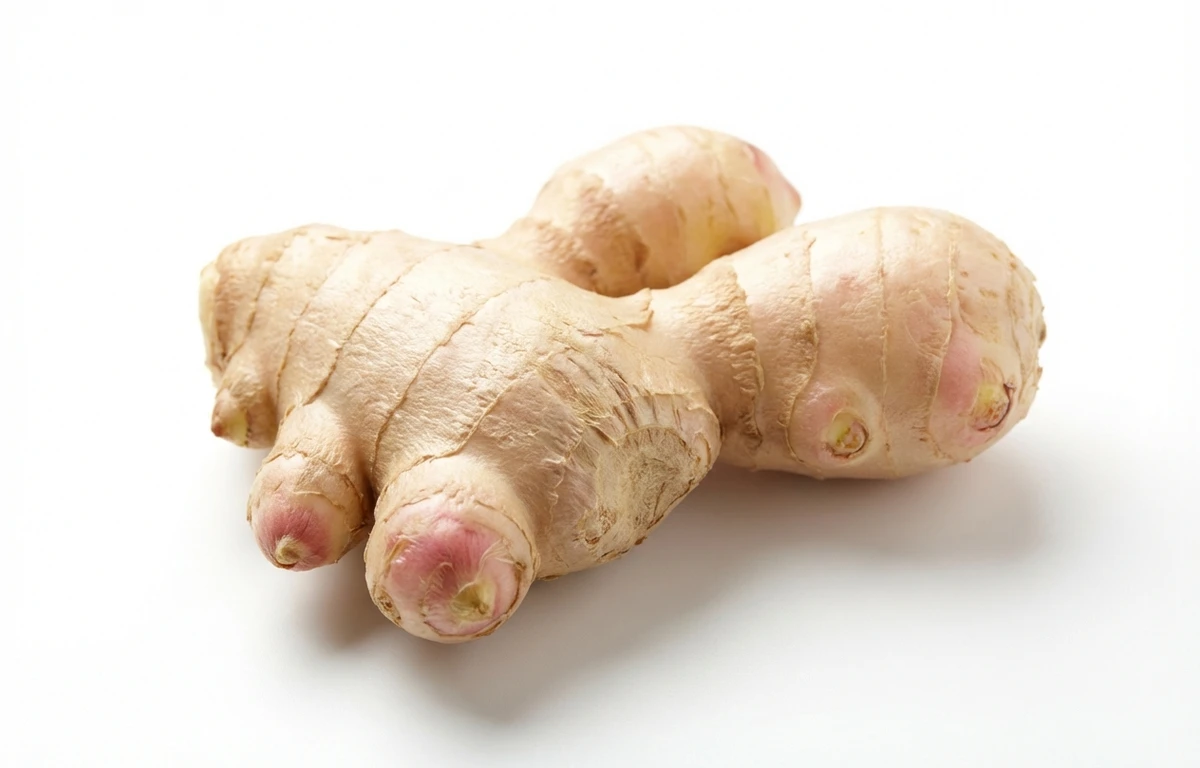
young ginger.
VegetarianVeganGluten-freeDairy-freeNut-freePeanut-freeSoy-freeEgg-freeShellfish-freeHoney-freeAlcohol-freeHalalKosher
ALSO KNOWN AS
spring gingerbaby gingernew gingerpink gingershogahara adrakfresh young ginger
SERVING
CALORIES
80
PROTEIN
1.8g
CARBS
17.8g
FAT
0.75g
FIBER
2.0g
This ingredient is flagged as naturally gluten-free. Per 100 g, it provides 0.10 µg of vitamin K.
NUTRITION PROFILE · per 100 g
Everything in this ingredient.
MACRONUTRIENTS
Calories80kcal—
Protein1.8g4%
Carbohydrates17.8g6%
Fiber2.0g7%
Sugar1.7g3%
Total fat0.75g1%
Saturated fat0.20g1%
Trans fat0g—
Cholesterol0mg0%
Water78.9g—
MINERALS
Sodium13mg1%
Potassium415mg9%
Calcium16mg1%
Iron0.60mg3%
Magnesium43mg10%
Phosphorus34mg3%
Zinc0.34mg3%
Copper0.23mg26%
Manganese0.23mg10%
Selenium0.70µg1%
VITAMINS
Vitamin A0µg0%
Vitamin C5.0mg6%
Vitamin D0µg0%
Vitamin E0.26mg2%
Vitamin K0.10µg0%
Thiamin (B1)0.03mg3%
Riboflavin (B2)0.03mg2%
Niacin (B3)0.75mg5%
Pantothenic acid (B5)0.20mg4%
Vitamin B60.16mg9%
Folate (B9)11µg3%
Vitamin B120µg0%
%DV based on a 2,000 cal diet. Source: USDA FoodData Central. A dash in the %DV column means there’s no established Daily Value for that nutrient.
MEASUREMENT CONVERSIONS
How much is what.
1 cup150g
1 tablespoon6g
1 teaspoon2g
1 oz28.4g
1 lb453.6g
1 ml1g
1 liter1000g
1 piece50g
HEALTH BENEFITS
Why eat it.
- ✓Aids digestion and reduces bloating
- ✓Helps alleviate nausea and morning sickness
COOKING TIPS
In the kitchen.
- 1No need to peel as the skin is very thin and edible
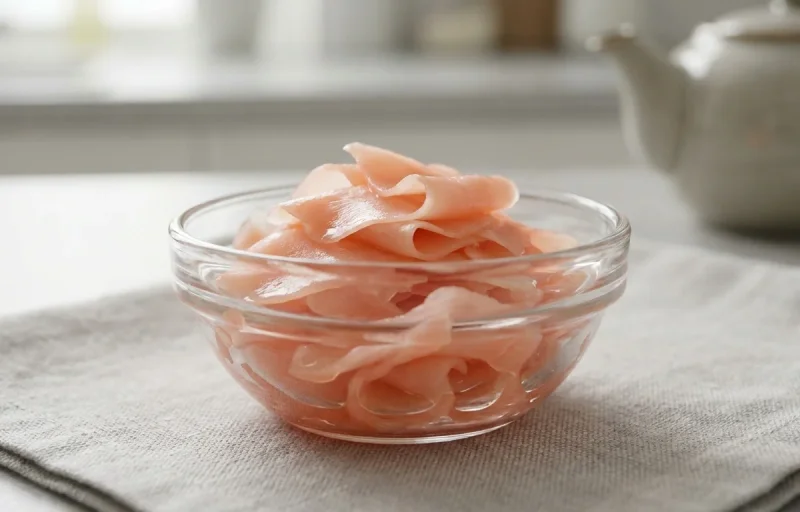
- 2Best used for pickling (Gari) or in mild stir-fries
- 3Add at the end of cooking to preserve its delicate, floral flavor
STORAGE
Keep it fresh.
- Wrap in a paper towel and store in a plastic bag in the refrigerator crisper drawer
- Can be frozen whole or sliced for up to 6 months
- Keep dry as moisture causes rapid molding
FAQ
Frequently asked questions.
How long does young ginger last?
In the refrigerator, it typically lasts 2-3 weeks if kept dry and wrapped in paper towels.
Can I freeze young ginger?
Yes, you can freeze it whole, sliced, or grated. It maintains its flavor well for up to 6 months.
How do I pick the best young ginger?
Look for firm rhizomes with thin, translucent skin and pinkish tips or scales. Avoid any with soft spots or mold.
What is the best substitute for young ginger?
Mature ginger is the best substitute, but use about half the amount as it is much more pungent and fibrous.
Do I need to peel young ginger?
No, unlike mature ginger, the skin of young ginger is very thin, tender, and perfectly edible.
Is young ginger less spicy than mature ginger?
Yes, it has a much milder, more floral heat and is significantly less fibrous than mature ginger.
What are common uses for young ginger?
It is most commonly used for making Japanese pickled ginger (Gari), in teas, or sliced thinly in salads and stir-fries.
Is young ginger seasonal?
Yes, it is typically harvested in late summer or early autumn and is often found in Asian markets during this time.
RECIPES
Cook with young ginger.
1 recipes · sorted by what’s quick