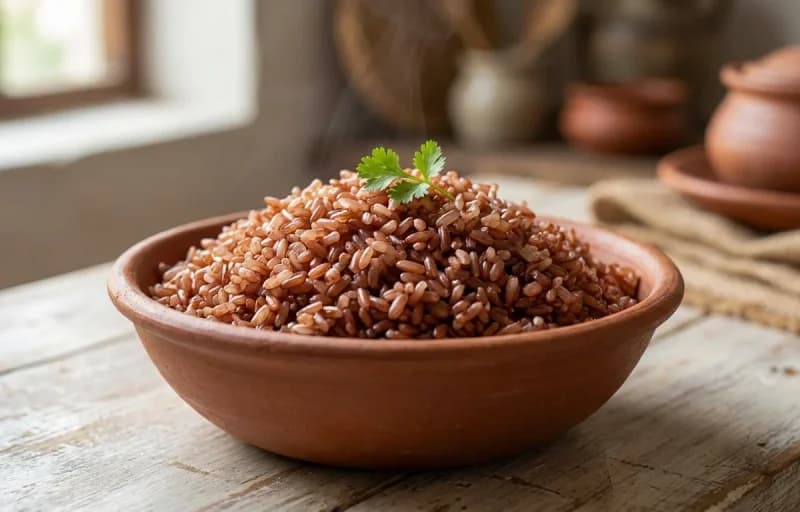
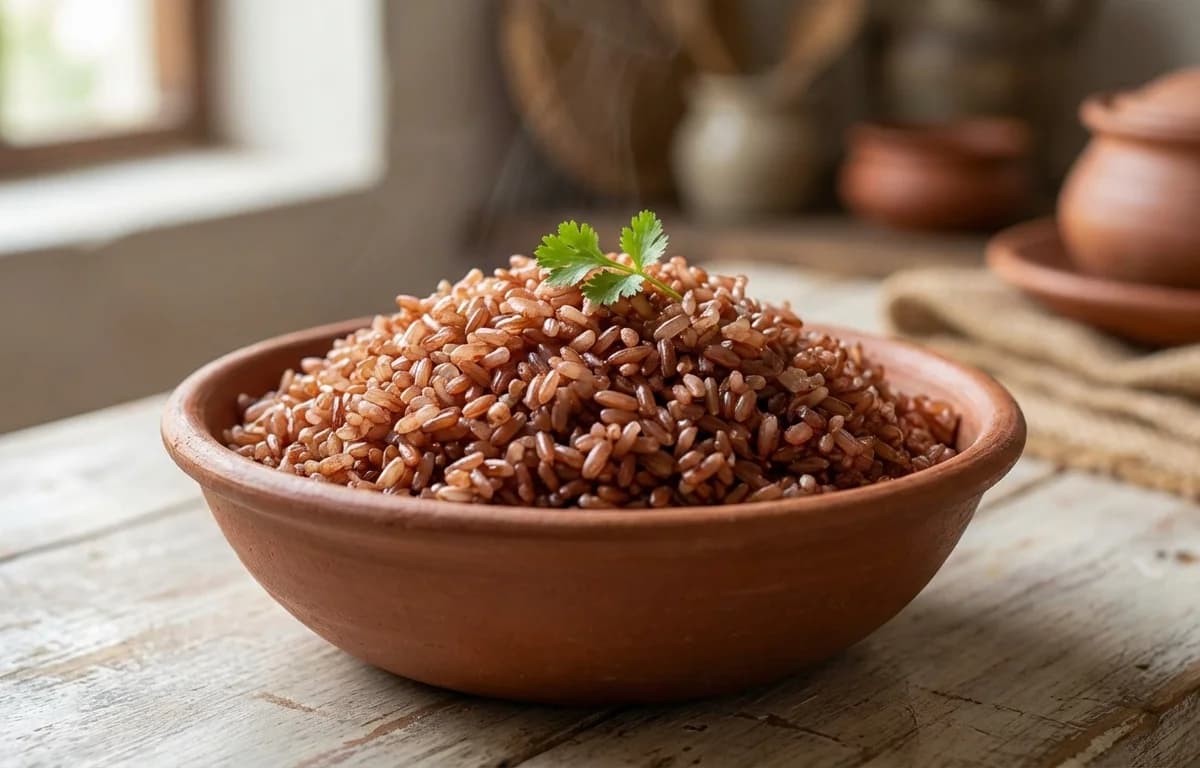
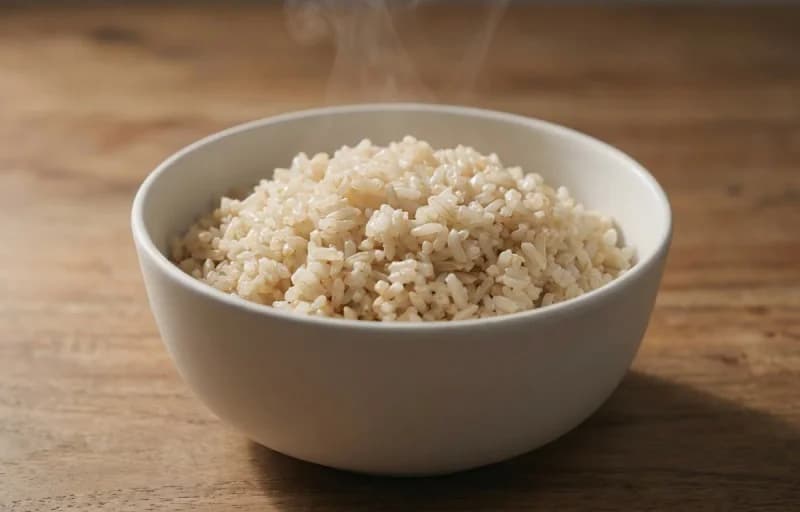
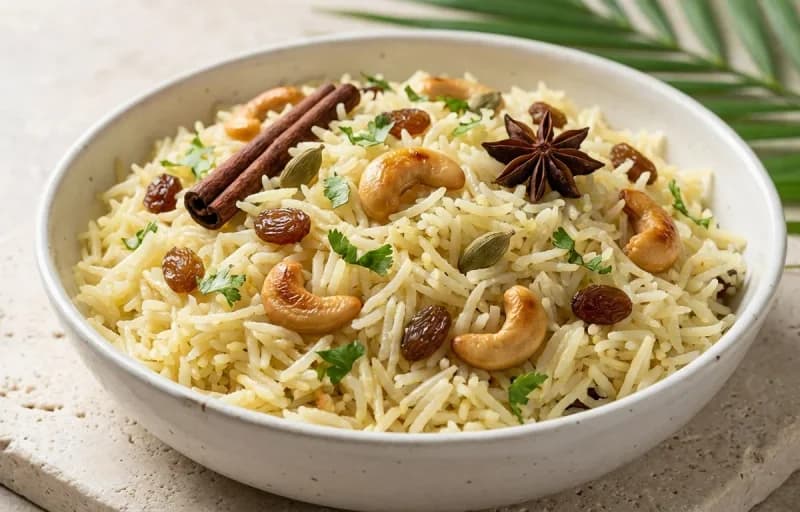
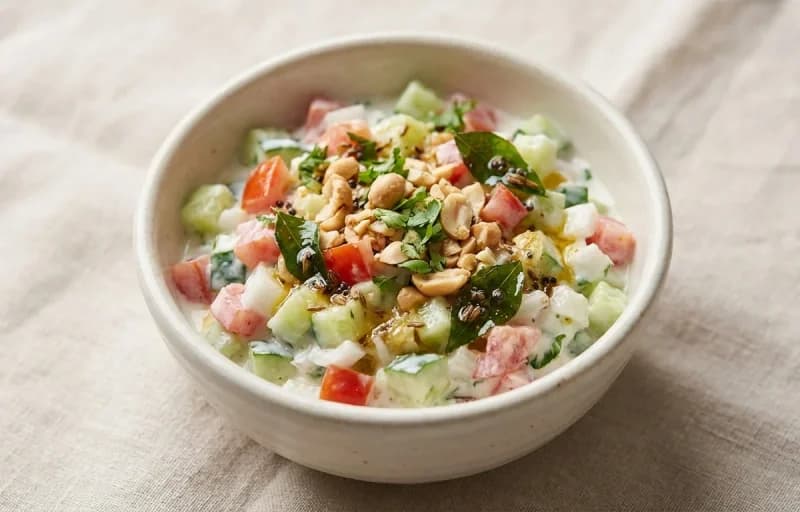
A staple in every Goan household, this nutritious red rice, known as Ukda Tandul, has a beautiful earthy flavor and a firm, satisfyingly chewy texture. It's the perfect, wholesome companion for a spicy fish curry or a rich vegetable stew.
Prep35 min
Cook30 min
Soak30 min
Servings4
Serving size: 1 serving
1cal
0gprotein
0gcarbs
Ingredients
1.5 cup Goan Red Rice (Also known as Ukda Tandul)
4.5 cup Water (For cooking the rice)
1 tsp Salt (Adjust to taste)
Instructions
1
Rinse and Soak the Rice (35 minutes)
Place the Goan red rice in a large bowl. Rinse it under cold running water 3-4 times, gently rubbing the grains between your fingers, until the water runs mostly clear.
Drain the rinsing water completely. Add enough fresh water to cover the rice by at least 2 inches.
Let the rice soak for a minimum of 30 minutes, or up to 2 hours. This step is crucial for softening the outer bran and ensuring even cooking.
2
Boil the Rice (5-7 minutes)
Drain the soaking water from the rice.
Transfer the soaked rice to a medium, heavy-bottomed pot. Add 4.5 cups of fresh water and 1 tsp of salt.
Tender kidney beans simmered in a rich, aromatic tomato and onion gravy spiced with classic Indian masalas. This hearty Punjabi comfort food is perfect with steamed rice, making it a beloved North Indian staple.
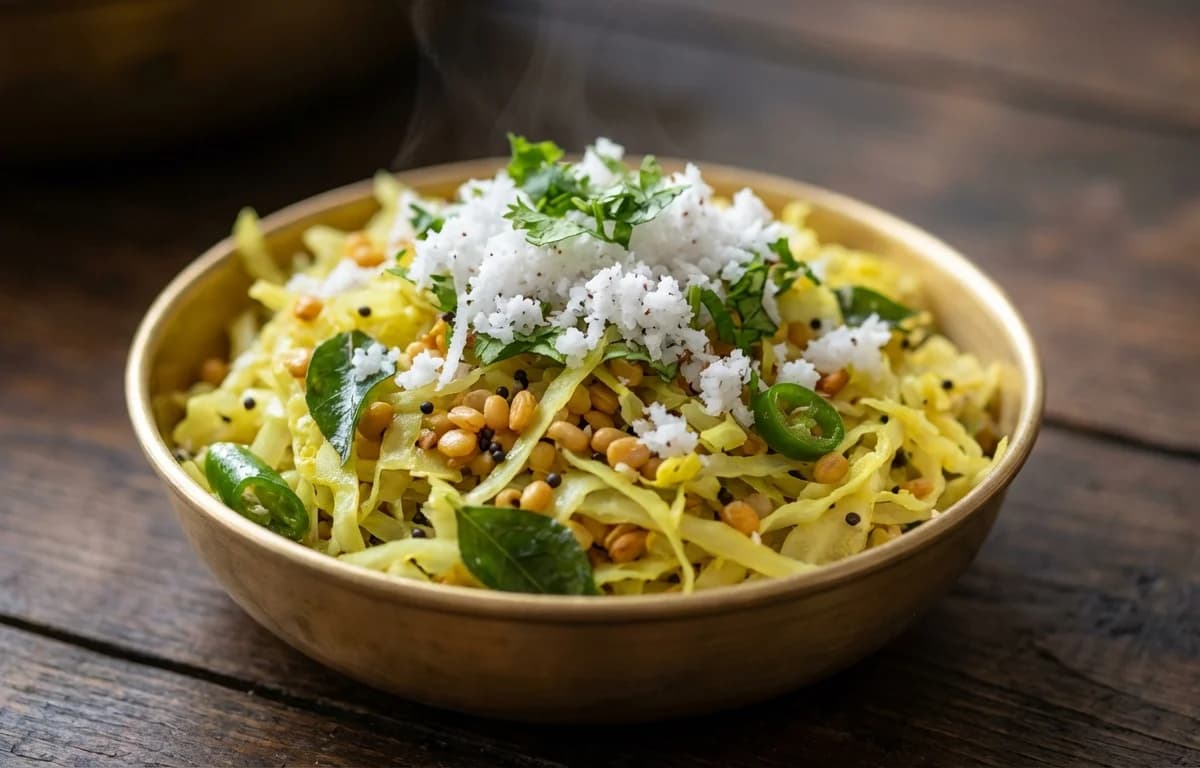
A simple, light Goan stir-fry of finely shredded cabbage, fresh coconut, and a gentle tempering of spices. It's a quick and healthy side dish that comes together in minutes, perfect with rice and curry.
About Goan Red Rice, Rajma Masala and Cabbage Foogath
Protein-packed Red Kidney Bean Curry with wholesome Goan Red Rice & fiber-rich Cabbage Foogath. So good!
This goan dish is perfect for lunch. With 449.9 calories and 16.18g of protein per serving, it's a nutritious choice for your meal plan.
Place the pot on the stove over high heat and bring the water to a rolling boil.
3
Simmer Until Tender (25-30 minutes)
Once the water is boiling, reduce the heat to the lowest possible setting.
Cover the pot with a tight-fitting lid and let the rice simmer gently for 25-30 minutes.
Avoid lifting the lid or stirring the rice during this time. The rice is cooked when the grains are tender but still have a distinct, chewy bite.
4
Rest and Fluff (10 minutes)
Turn off the heat and let the rice stand, covered and undisturbed, for 10 minutes. This allows the grains to absorb the remaining steam and firm up.
After resting, remove the lid and gently fluff the rice with a fork to separate the grains.
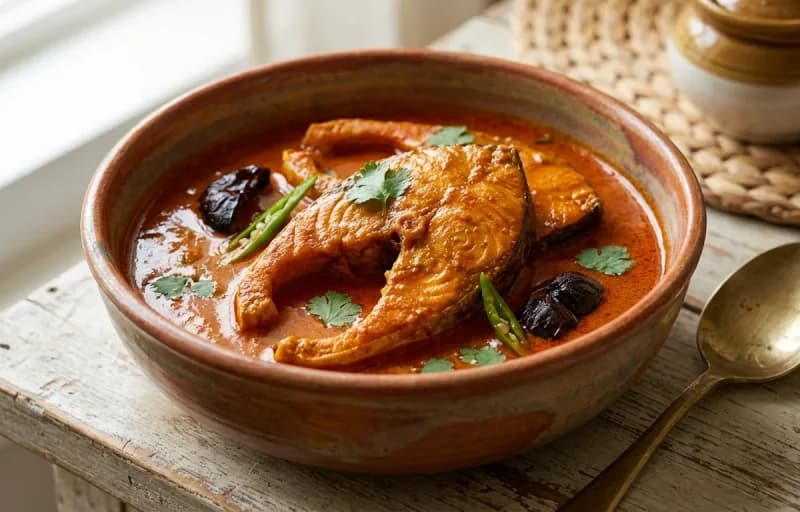
Serve hot as a perfect accompaniment to Goan fish curry, chicken xacuti, or any lentil dish.
4
Serving size: 1 serving
311cal
14gprotein
41gcarbs
12gfat
Ingredients
1 cup Rajma (soaked for 8 hours or overnight)
2 medium Onion (finely chopped)
3 medium Tomatoes (pureed)
1.5 tbsp Ginger Garlic Paste
2 pc Green Chili (slit lengthwise)
3 tbsp Vegetable Oil
1 tsp Cumin Seeds
1 pc Bay Leaf
1 inch Cinnamon Stick
3 pc Cloves
0.5 tsp Turmeric Powder
1 tsp Red Chili Powder (adjust to taste)
1.5 tsp Coriander Powder
1 tsp Cumin Powder
1 tsp Garam Masala
1 tbsp Kasuri Methi (crushed)
1.5 tsp Salt (divided, adjust to taste)
4 cup Water (for pressure cooking and gravy)
3 tbsp Coriander Leaves (chopped, for garnish)
Instructions
1
Pressure Cook the Rajma
Wash the rajma thoroughly and drain the soaking water. Add the soaked rajma to a pressure cooker.
Pour in 3 cups of fresh water, 0.5 tsp of salt, the bay leaf, cinnamon stick, and cloves.
Secure the lid and pressure cook on medium-high heat for 5-6 whistles, or for about 15-20 minutes, until the beans are completely soft and tender.
Allow the pressure to release naturally. Open the cooker and check if a bean is easily mashable between your fingers. If not, cook for another 1-2 whistles. Do not discard the cooking water.
2
Prepare the Masala Base
Heat oil in a heavy-bottomed pan or kadai over medium heat. Once hot, add the cumin seeds and let them splutter for about 30 seconds.
Add the finely chopped onions and sauté for 8-10 minutes, stirring frequently, until they turn a deep golden brown.
Add the ginger-garlic paste and slit green chilies. Sauté for another 1-2 minutes until the raw aroma disappears.
3
Cook the Tomato Gravy
Add the tomato puree to the pan. Cook for 8-10 minutes, stirring occasionally, until the mixture thickens and you see oil separating from the sides of the masala.
500 g Cabbage (About 1 medium head, finely shredded)
2 tbsp Coconut Oil
1 tsp Mustard Seeds
1 tsp Urad Dal (Optional, for a nutty crunch)
10 leaves Curry Leaves (Fresh preferred)
2 whole Green Chili (Slit lengthwise, adjust to taste)
0.25 tsp Hing (Asafoetida)
0.5 tsp Turmeric Powder
1 tsp Salt (Or to taste)
0.5 tsp Sugar (Optional, to balance flavors)
0.5 cup Fresh Grated Coconut (Frozen (thawed) can be used as a substitute)
2 tbsp Coriander Leaves (Freshly chopped, for garnish)
Instructions
1
Prepare your ingredients. Wash and finely shred the cabbage. Slit the green chilies lengthwise. Keep all other ingredients ready.
2
Begin the tempering (tadka). Heat coconut oil in a wide, heavy-bottomed pan or kadai over medium heat.
Once the oil is hot, add the mustard seeds and let them splutter completely, which takes about 30 seconds.
Add the urad dal (if using) and sauté for about 30-45 seconds until it turns a light golden brown.
Add the curry leaves, slit green chilies, and hing. Sauté for another 30 seconds until the curry leaves are crisp and fragrant.
3
Add the shredded cabbage to the pan. Sprinkle the turmeric powder, salt, and sugar (if using) over the cabbage. Toss everything together until the cabbage is well-coated with the spices.
4
Cover the pan with a lid and reduce the heat to low-medium. Cook for 8-10 minutes, stirring occasionally. The cabbage will cook in its own steam. Avoid adding water unless it begins to stick.
5
Check for doneness. The cabbage should be tender but still have a slight crunch (tender-crisp). Uncover the pan, add the freshly grated coconut and chopped coriander leaves.
Reduce the heat and add the spice powders: turmeric powder, red chili powder, coriander powder, and cumin powder, along with the remaining 1 tsp of salt.
Stir well and cook for 1 minute, ensuring the spices don't burn.
4
Combine and Simmer
Carefully pour the cooked rajma along with all its cooking water into the pan with the masala. Mix everything gently.
Using the back of a ladle, lightly mash a few rajma beans against the side of the pan. This is a key step to naturally thicken the gravy.
Bring the curry to a gentle boil, then reduce the heat to low. Cover the pan and let it simmer for at least 10-15 minutes, allowing the beans to absorb the flavors of the masala.
Check the consistency and add a little hot water if the gravy becomes too thick for your liking.
5
Finish and Garnish
Stir in the garam masala and the crushed kasuri methi. Mix well and cook for one more minute.
Turn off the heat and garnish with freshly chopped coriander leaves.
Let the Rajma Masala rest for 5-10 minutes before serving. This helps the flavors to settle and deepen. Serve hot with steamed basmati rice (Rajma Chawal) or roti.
Gently mix the coconut and coriander into the cabbage and cook for another 1-2 minutes without the lid to allow any excess moisture to evaporate. Turn off the heat and serve hot.