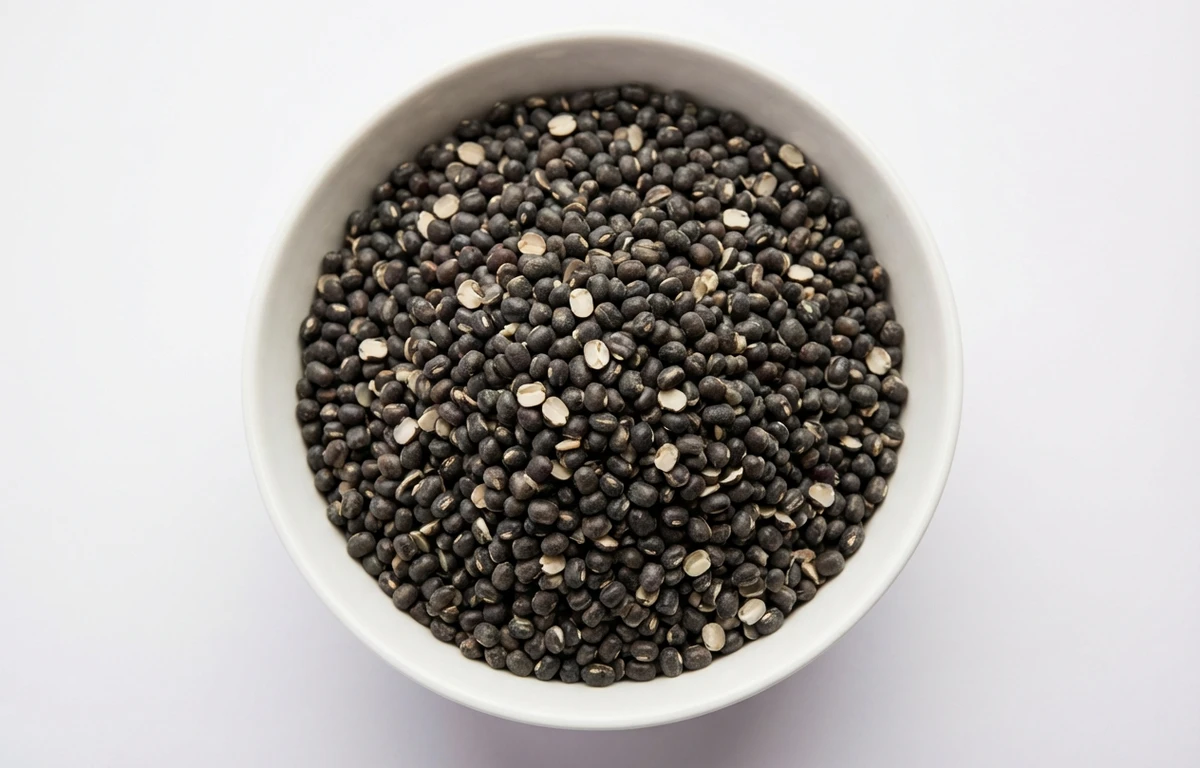
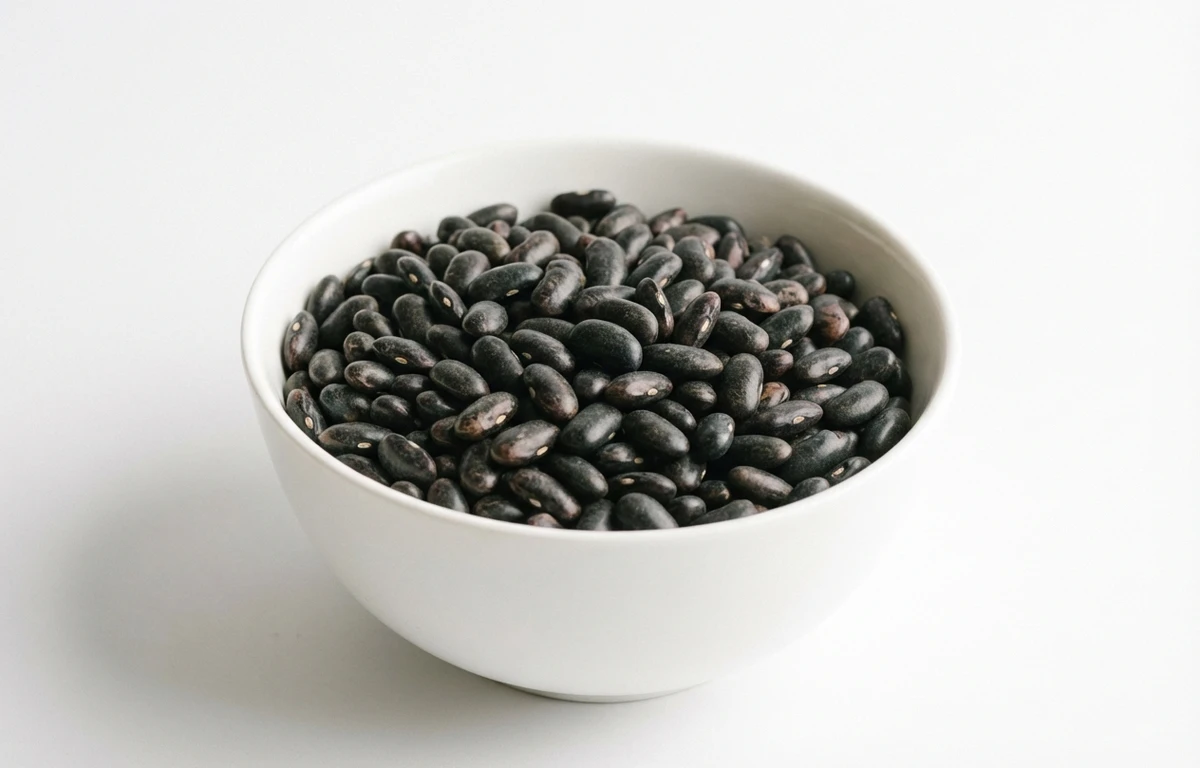
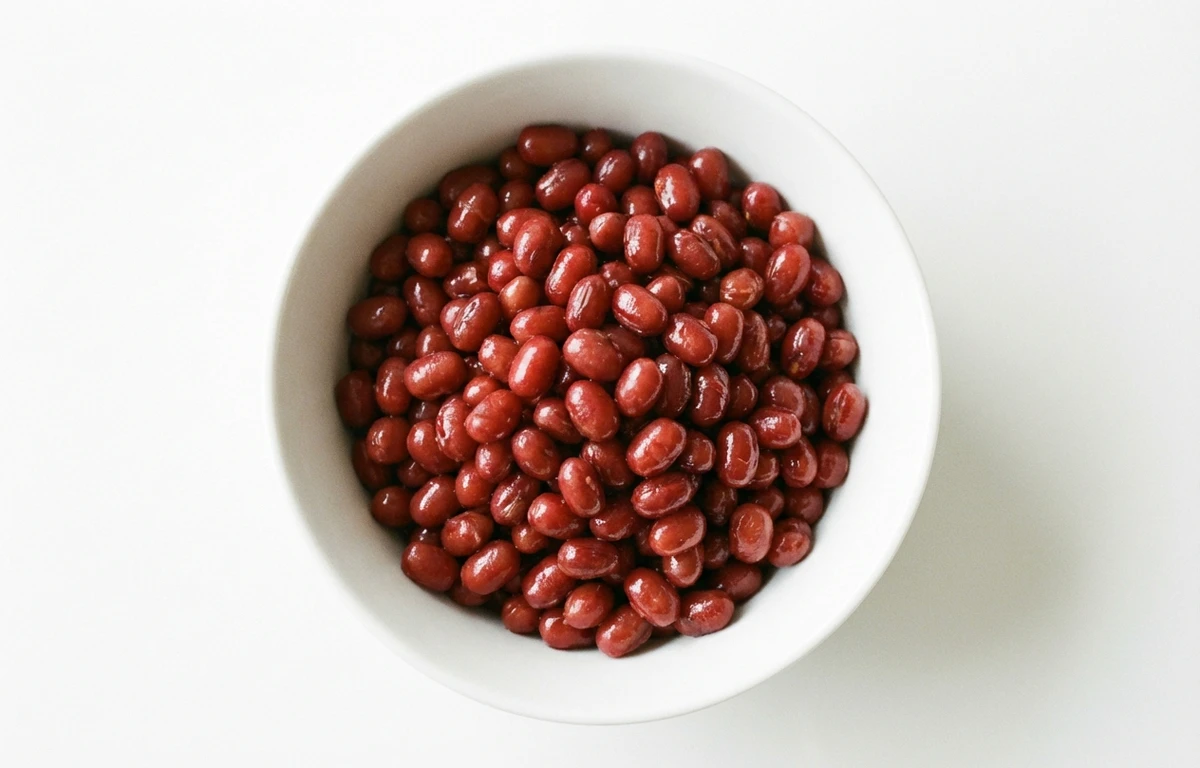
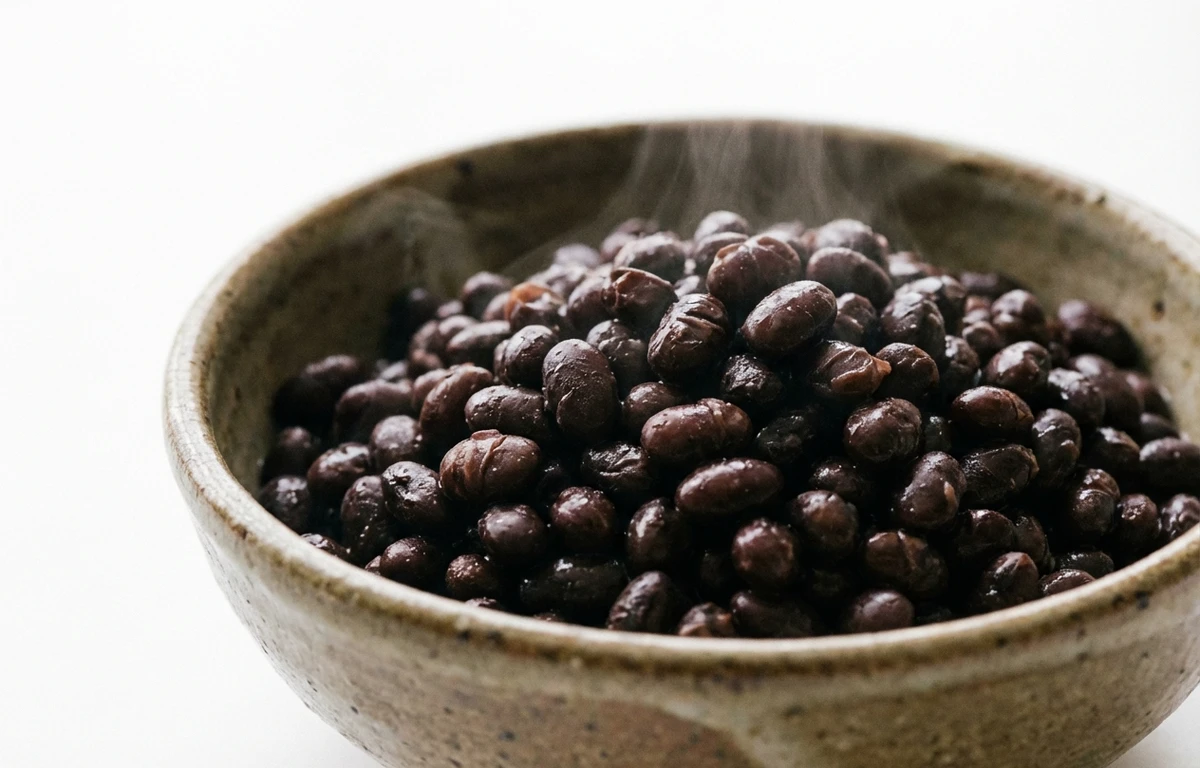
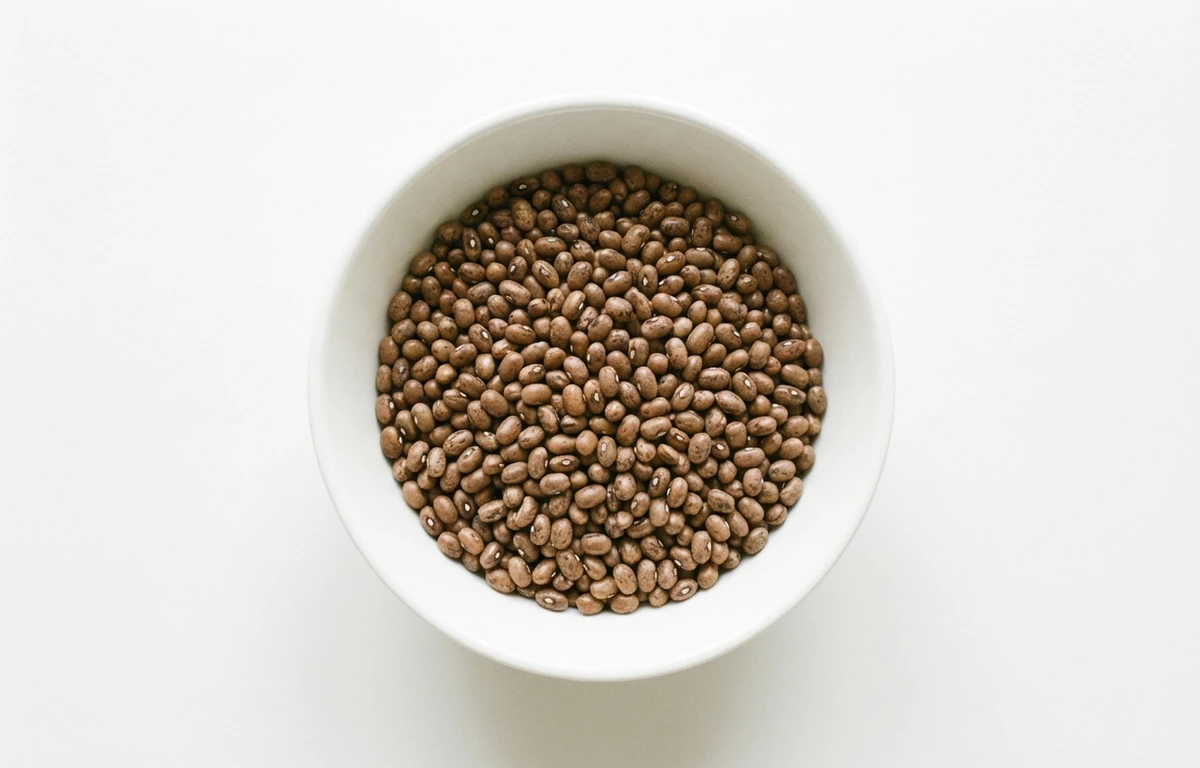
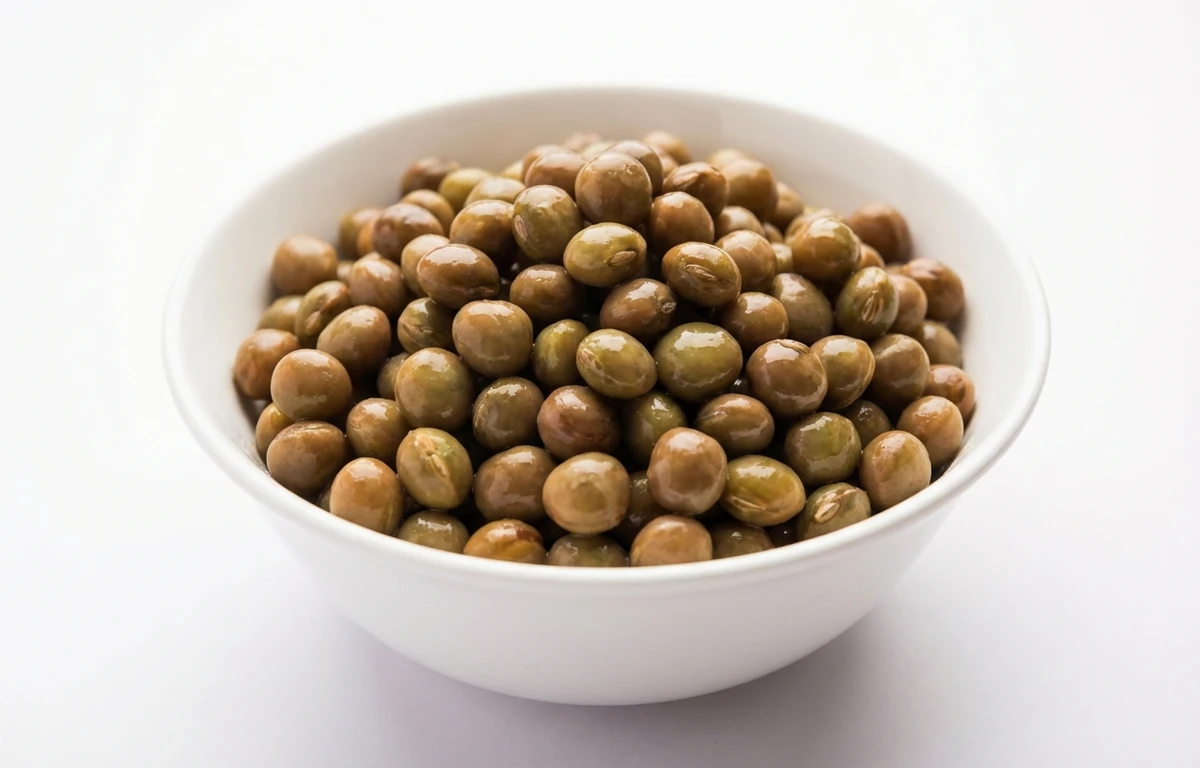
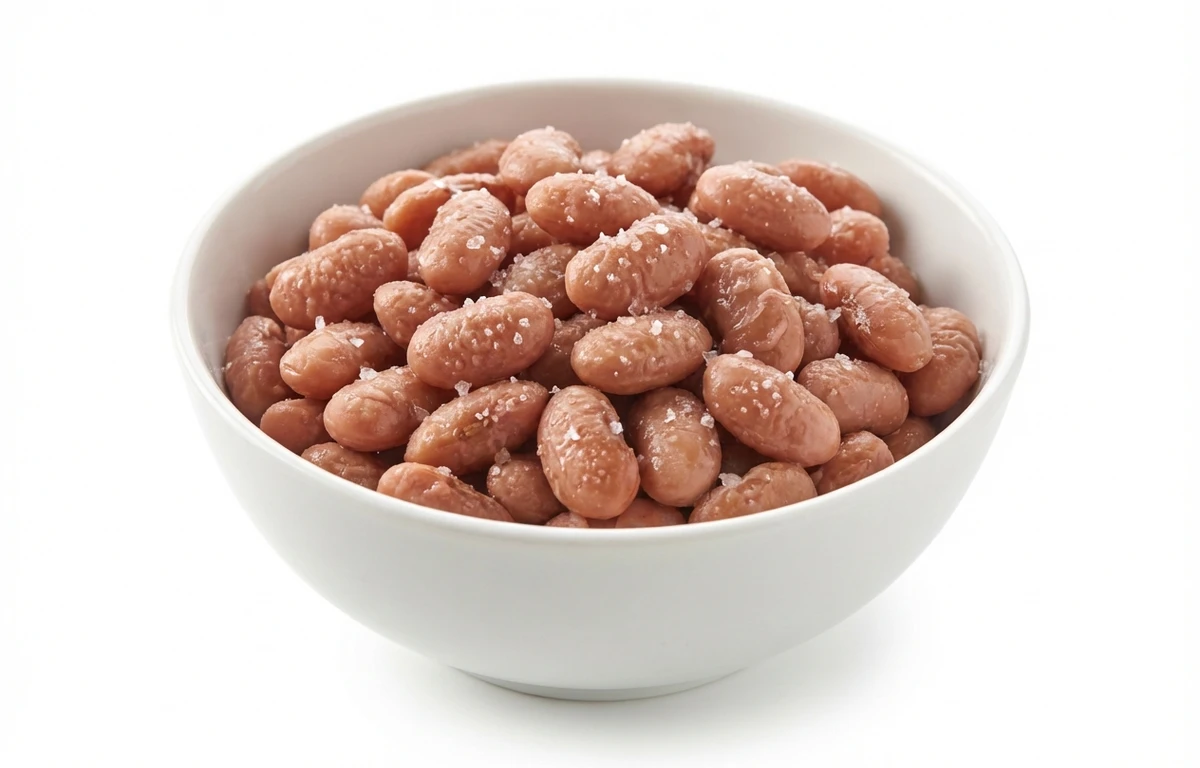
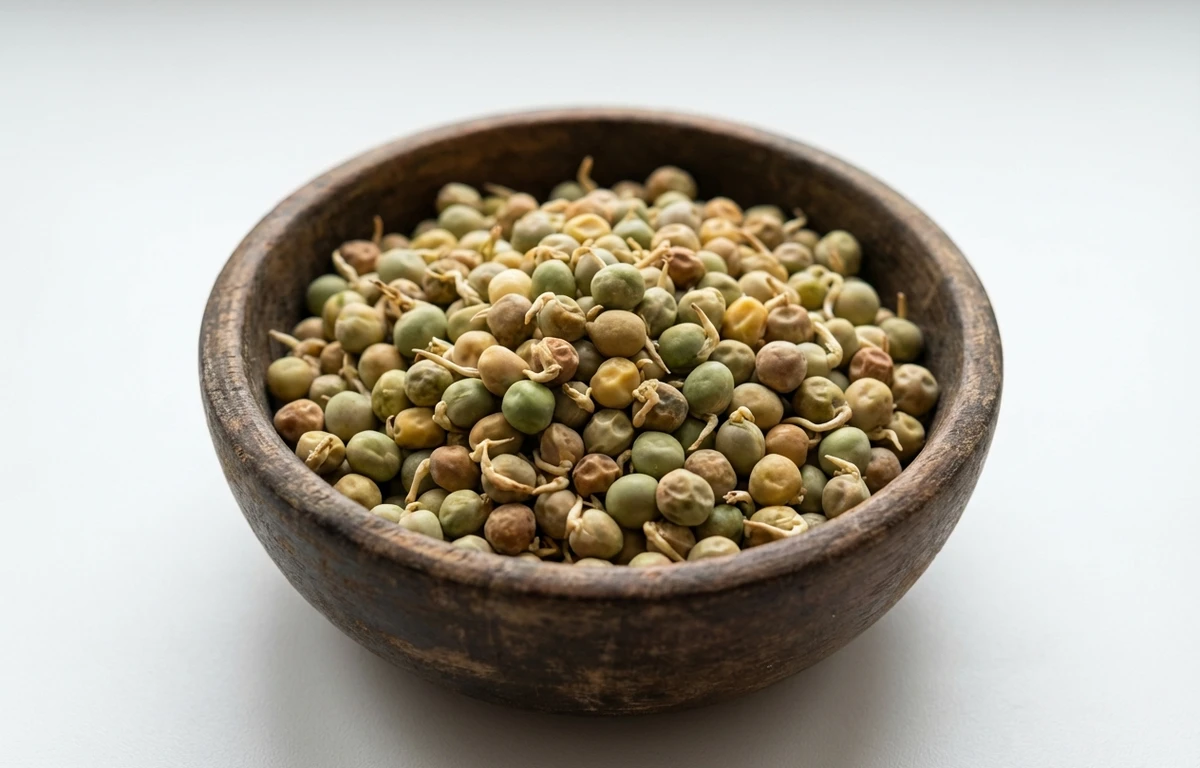
legume
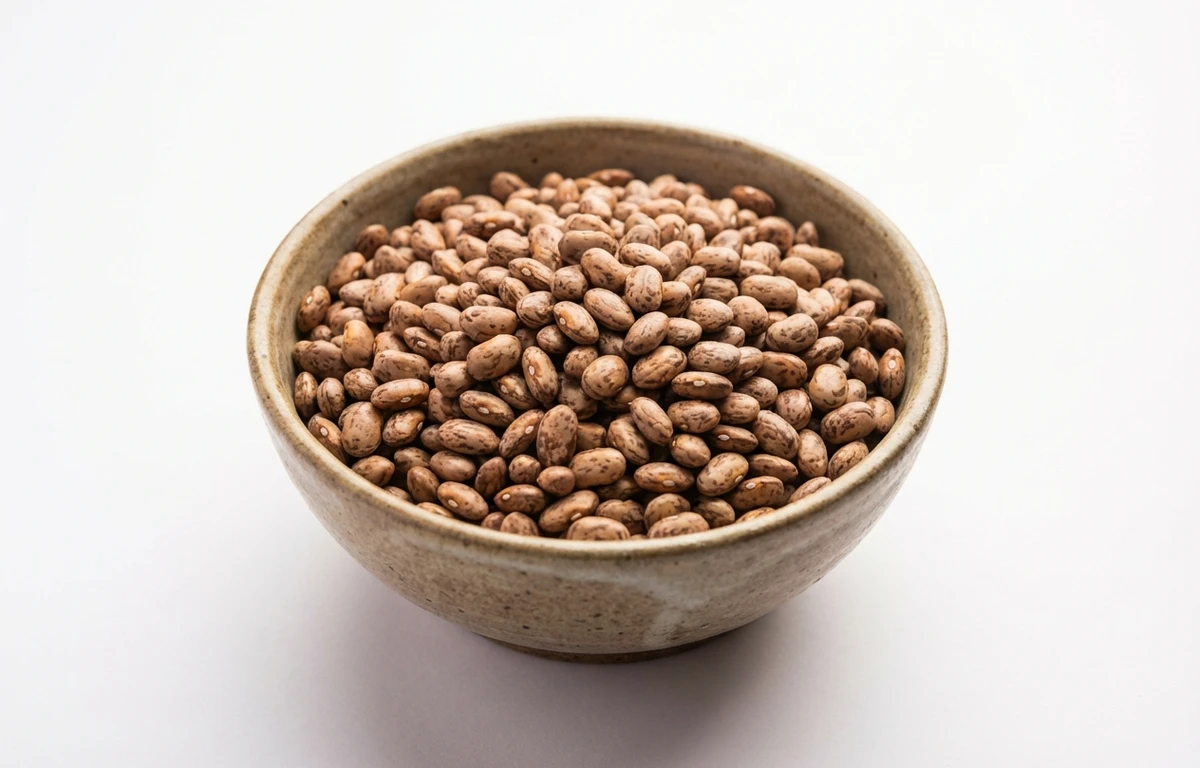
allasani.
VegetarianVeganGluten-freeDairy-freeNut-freePeanut-freeSoy-freeEgg-freeShellfish-freeHoney-freeAlcohol-free
SERVING
CALORIES
128
PROTEIN
8.2g
CARBS
23.6g
FAT
0.50g
FIBER
8.2g
NUTRITION PROFILE · per 100 g
Everything in this ingredient.
MACRONUTRIENTS
Calories128kcal—
Protein8.2g16%
Carbohydrates23.6g9%
Fiber8.2g29%
Sugar0g0%
Total fat0.50g1%
Saturated fat0.10g1%
Trans fat0g—
Cholesterol0mg0%
Water66.1g—
MINERALS
Sodium4.0mg0%
Potassium278mg6%
Calcium39mg3%
Iron2.5mg14%
Magnesium53mg13%
Phosphorus182mg15%
Zinc1.2mg11%
Copper0.16mg18%
Manganese0.40mg17%
Selenium3.7µg7%
VITAMINS
Vitamin A1.0µg0%
Vitamin C0.30mg0%
Vitamin D0µg0%
Vitamin E0.06mg0%
Vitamin K1.7µg1%
Thiamin (B1)0.18mg15%
Riboflavin (B2)0.06mg5%
Niacin (B3)0.40mg3%
Pantothenic acid (B5)0.30mg6%
Vitamin B60.10mg6%
Folate (B9)208µg52%
Vitamin B120µg0%
%DV based on a 2,000 cal diet. Source: USDA FoodData Central. A dash in the %DV column means there’s no established Daily Value for that nutrient.
MEASUREMENT CONVERSIONS
How much is what.
1 cup190g
1 tablespoon12g
HEALTH BENEFITS
Why eat it.
- ✓Excellent source of dietary fiber, which aids digestion and promotes gut health.
- ✓Rich in plant-based protein, essential for building and repairing tissues.
- ✓High in folate (Vitamin B9), which is crucial for DNA synthesis and preventing neural tube defects during pregnancy.
- ✓Contains soluble fiber that can help lower LDL (bad) cholesterol levels, supporting heart health.
- ✓Has a low glycemic index, helping to manage blood sugar levels.
COOKING TIPS
In the kitchen.
- 1Soak dried peas for at least 4-6 hours or overnight to shorten cooking time and improve digestibility.
- 2For a quick soak, bring peas to a boil for 2 minutes, remove from heat, cover, and let stand for 1 hour.
- 3Simmer gently rather than boiling vigorously to prevent the skins from breaking apart.
- 4Add salt and acidic ingredients like tomatoes or vinegar towards the end of the cooking process, as they can toughen the skins and prolong cooking time.
STORAGE
Keep it fresh.
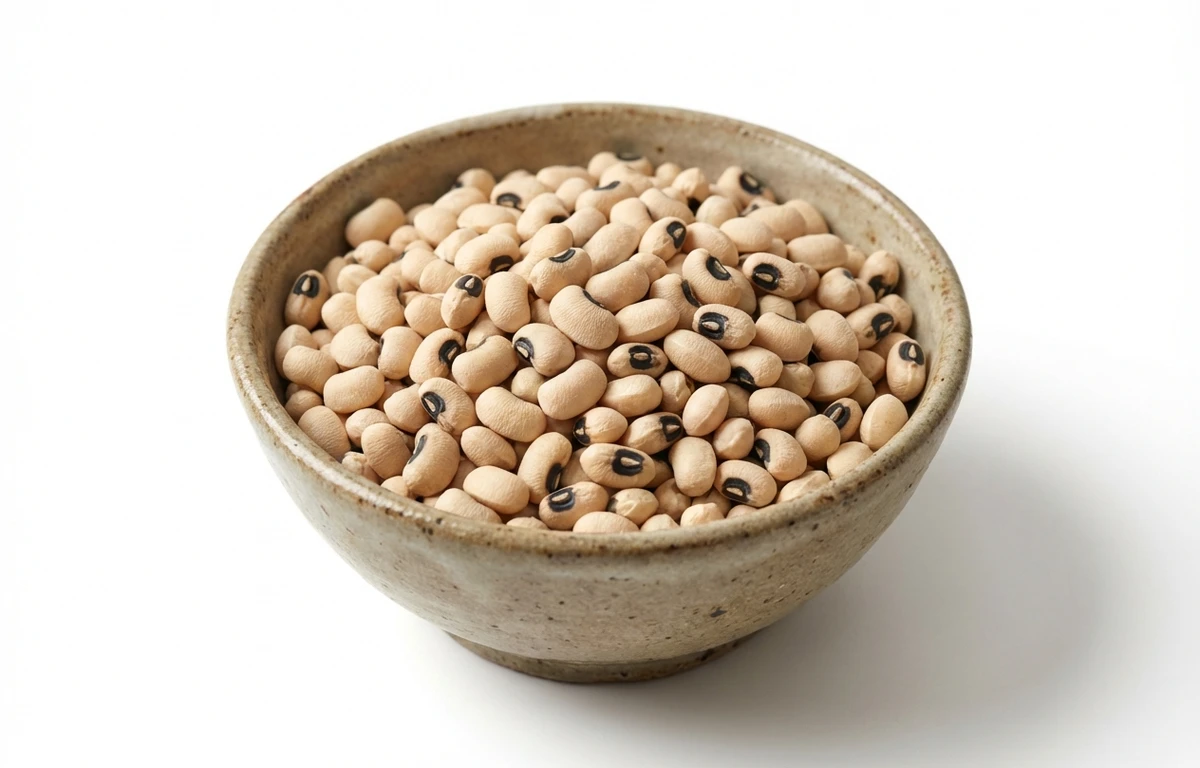
- Store dried black-eyed peas (allasani) in an airtight container in a cool, dark, and dry place for up to one year.
- Cooked black-eyed peas can be refrigerated in a sealed container for 3-5 days or frozen for up to 6 months.
FAQ
Frequently asked questions.
Is allasani healthy?
Yes, allasani is highly nutritious. It is an excellent source of dietary fiber for digestion, plant-based protein for muscle repair, and folate for cell health. Its low fat content and high nutrient density make it a heart-healthy choice for most diets.
How much protein is in allasani?
100g of cooked allasani provides approximately 8.2g of protein. While it is a significant source of plant-based protein, it is best paired with grains like rice or wheat to ensure you receive a complete amino acid profile.
Is allasani good for weight loss?
Yes, allasani can support weight loss goals. It contains only 0.5g of fat per 100g and is high in dietary fiber, which promotes satiety and helps you feel full for longer, reducing the likelihood of overeating.
Is allasani gluten-free and vegan?
Yes, allasani is naturally gluten-free and 100% vegan. It is a safe and nutritious staple for individuals with celiac disease, gluten sensitivity, or those following a strictly plant-based diet.
Is allasani keto-friendly?
No, allasani is generally not considered keto-friendly. With 23.6g of carbohydrates per 100g, it is too high in carbs for a strict ketogenic diet, though it is an excellent 'slow carb' for other low-glycemic diets.
How do you cook allasani?
Allasani can be boiled, pressure-cooked, or added to stews. After soaking, boil them in water for 30-45 minutes, or pressure cook for 2-3 whistles until tender. They are commonly used in salads, soups, and traditional Indian curries.
What does allasani taste like?
Allasani has a mild, earthy, and slightly nutty flavor with a creamy texture when cooked. Because of its subtle taste, it easily absorbs the flavors of spices, herbs, and savory sauces.
Do I need to soak allasani before cooking?
While not strictly necessary, soaking allasani for 1-4 hours reduces cooking time and improves digestibility. Soaking helps break down complex sugars (oligosaccharides) that can cause gas and bloating.
How do you store allasani?
Dry allasani should be stored in an airtight container in a cool, dark, and dry place for up to a year. Once cooked, they can be refrigerated for 3-5 days or frozen in an airtight container for up to 6 months.
Is allasani good for managing blood sugar?
Yes, allasani has a low glycemic index and is rich in fiber. This combination helps slow the absorption of sugar into the bloodstream, preventing rapid spikes in glucose and making it a good choice for diabetics.
RECIPES
Cook with allasani.
0 recipes · sorted by what’s quick
SAME CATEGORY