fruit
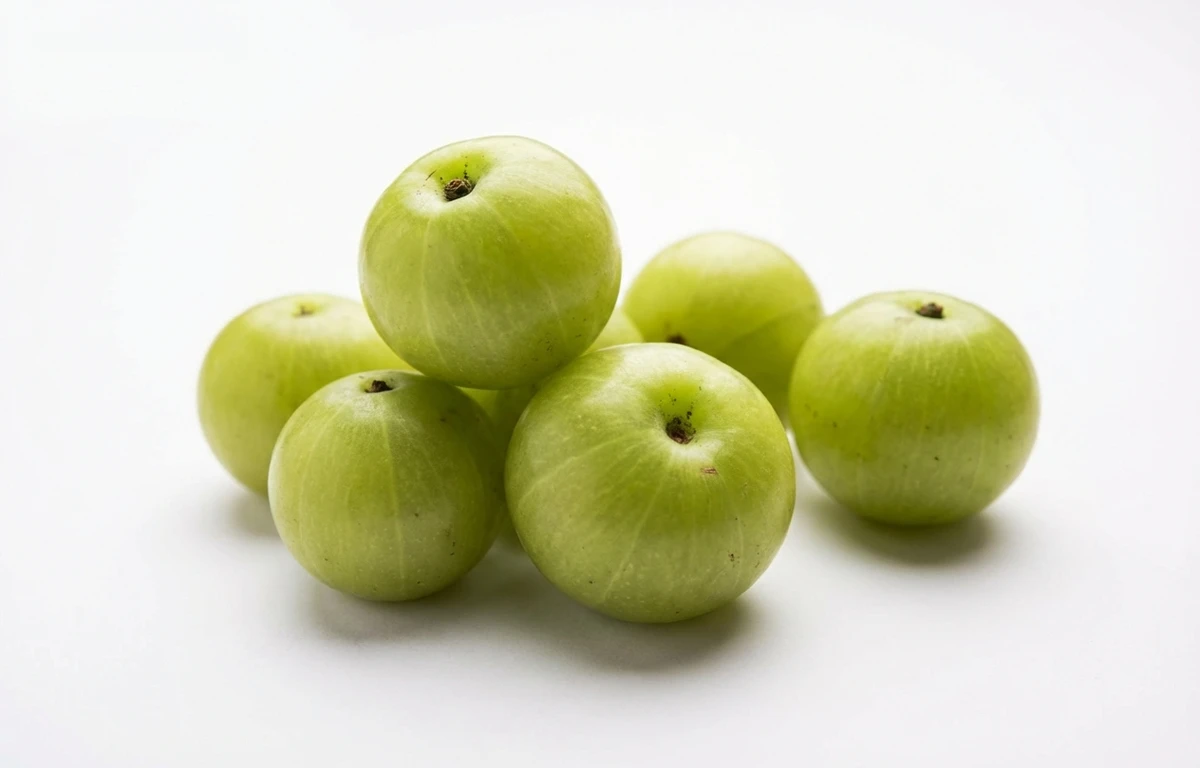
amlokhi.
VegetarianVeganGluten-freeDairy-freeNut-freePeanut-freeSoy-freeEgg-freeShellfish-freeHoney-freeAlcohol-freeHalalKosher
SERVING
CALORIES
44
PROTEIN
0.90g
CARBS
10.2g
FAT
0.50g
FIBER
4.3g
NUTRITION PROFILE · per 100 g
Everything in this ingredient.
MACRONUTRIENTS
Calories44kcal—
Protein0.90g2%
Carbohydrates10.2g4%
Fiber4.3g15%
Sugar4.5g9%
Total fat0.50g1%
Saturated fat0.10g1%
Trans fat0g—
Cholesterol0mg0%
Water86g—
MINERALS
Sodium1.0mg0%
Potassium198mg4%
Calcium25mg2%
Iron1.2mg7%
Magnesium10mg2%
Phosphorus21mg2%
Zinc0.10mg1%
Copper0.07mg8%
Manganese0.14mg6%
Selenium0.60µg1%
VITAMINS
Vitamin A15µg2%
Vitamin C445mg494%
Vitamin D0µg0%
Vitamin E0.37mg2%
Vitamin K0µg0%
Thiamin (B1)0.04mg3%
Riboflavin (B2)0.03mg2%
Niacin (B3)0.30mg2%
Pantothenic acid (B5)0.29mg6%
Vitamin B60.08mg5%
Folate (B9)6.0µg2%
Vitamin B120µg0%
%DV based on a 2,000 cal diet. Source: USDA FoodData Central. A dash in the %DV column means there’s no established Daily Value for that nutrient.
MEASUREMENT CONVERSIONS
How much is what.
1 cup140g
1 piece8g
HEALTH BENEFITS
Why eat it.
- ✓Extremely rich in Vitamin C, a potent antioxidant that boosts the immune system and protects cells from damage.
- ✓Promotes digestive health due to its high fiber content, which can help regulate bowel movements and prevent constipation.
- ✓Traditionally used to improve hair health by strengthening roots and promoting growth, and to enhance skin radiance.
- ✓May help in managing blood sugar levels and improving cardiovascular health by reducing cholesterol.
COOKING TIPS
In the kitchen.
- 1Due to its very sour and astringent taste, amlokhi is often boiled or steamed briefly to mellow its flavor before being used in dishes.
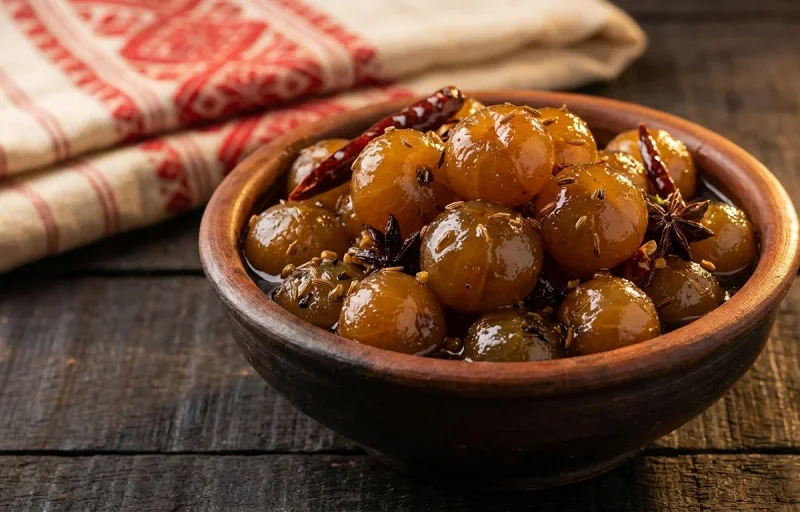
- 2Commonly used to make pickles (achar), sweet preserves (murabba), and tangy chutneys.
- 3The juice can be extracted and diluted with water and a sweetener like honey or jaggery to make a nutritious beverage.
- 4Grated amlokhi can be added to dals (lentil stews) or vegetable curries to impart a sour flavor, similar to tamarind.
STORAGE
Keep it fresh.
- Store fresh amlokhi in the refrigerator in a perforated plastic bag for up to 1-2 weeks.
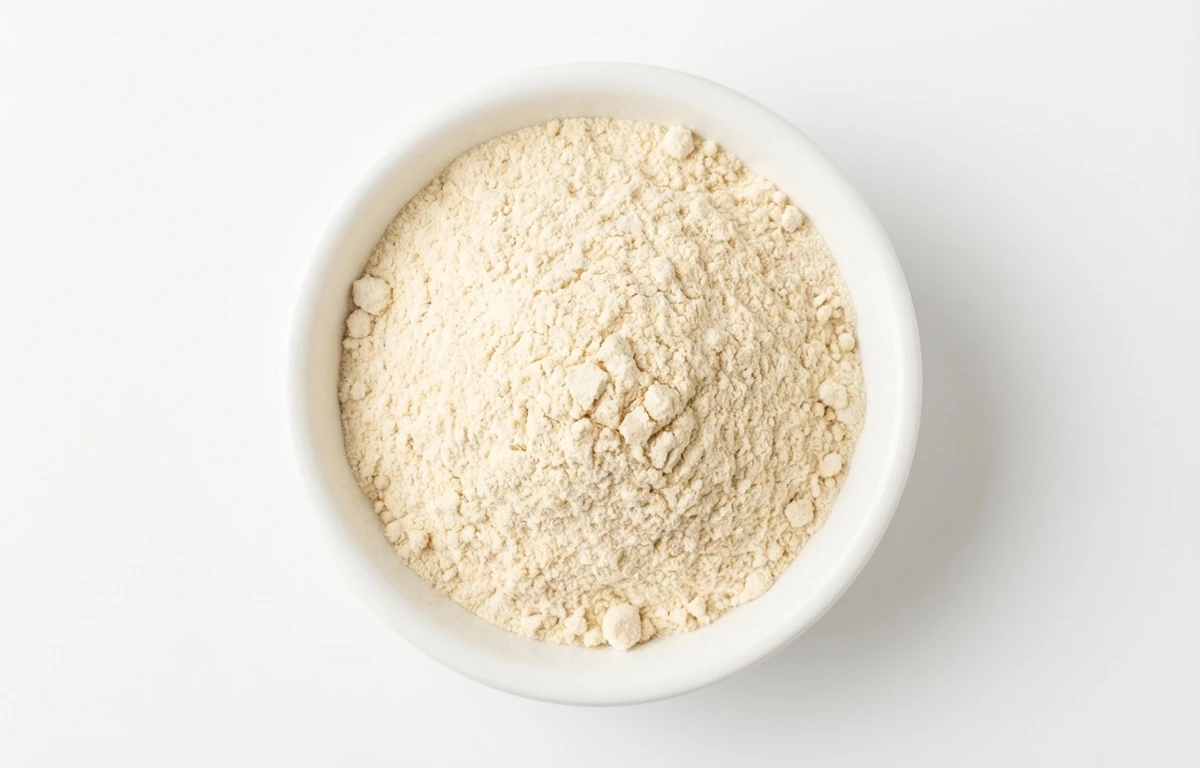
- For long-term storage, amlokhi can be grated and sun-dried to make powder, or it can be frozen whole or sliced.
- Amlokhi can also be preserved by pickling in oil and spices or by making a sweet preserve (murabba).
FAQ
Frequently asked questions.
Is amlokhi healthy?
Yes, amlokhi is exceptionally healthy. It is one of the richest natural sources of Vitamin C and antioxidants, which help boost immunity, improve digestion, and protect the body against oxidative stress and chronic diseases.
How many calories and carbs are in amlokhi?
A 100g serving of amlokhi contains approximately 44 calories and 10.2g of carbohydrates. It is a low-calorie fruit with minimal fat (0.5g) and protein (0.9g), making it a nutrient-dense addition to most diets.
Is amlokhi good for weight loss?
Yes, amlokhi can support weight loss because it is low in calories and high in dietary fiber. The fiber helps promote satiety, while its ability to improve metabolism and digestion can aid in overall weight management.
Can diabetics eat amlokhi?
Amlokhi is highly beneficial for diabetics as it may help manage blood sugar levels. It contains chromium, which assists in insulin sensitivity, and its high fiber content helps prevent rapid glucose spikes.
Is amlokhi keto-friendly?
In moderation, amlokhi can be included in a keto diet. With about 10.2g of total carbs per 100g, a small serving is unlikely to disrupt ketosis, especially considering its high fiber and antioxidant content.
What does amlokhi taste like?
Amlokhi has a very distinct and complex flavor profile. It is primarily sour and bitter, but it is famous for leaving a surprising sweet aftertaste on the palate, especially after drinking water.
How do you eat or prepare amlokhi?
Amlokhi can be eaten raw with a pinch of salt, juiced, or used in pickles and chutneys. It is also frequently dried into a powder or preserved in sugar syrup (known as murabba) to balance its intense sourness.
How do you store fresh amlokhi?
Fresh amlokhi should be stored in the refrigerator in a perforated plastic bag or an airtight container. Ensure the fruit is dry before storing to prevent mold; it typically stays fresh for up to two weeks.
How long does amlokhi last?
Fresh amlokhi lasts about 1-2 weeks in the refrigerator. If the fruit is dried, powdered, or preserved in salt or sugar, it can remain shelf-stable for several months to a year.
How does amlokhi benefit hair and skin?
Amlokhi is traditionally used to strengthen hair roots, promote growth, and prevent premature greying. Its high Vitamin C content also boosts collagen production, which enhances skin radiance and fights signs of aging.
RECIPES
Cook with amlokhi.
0 recipes · sorted by what’s quick