
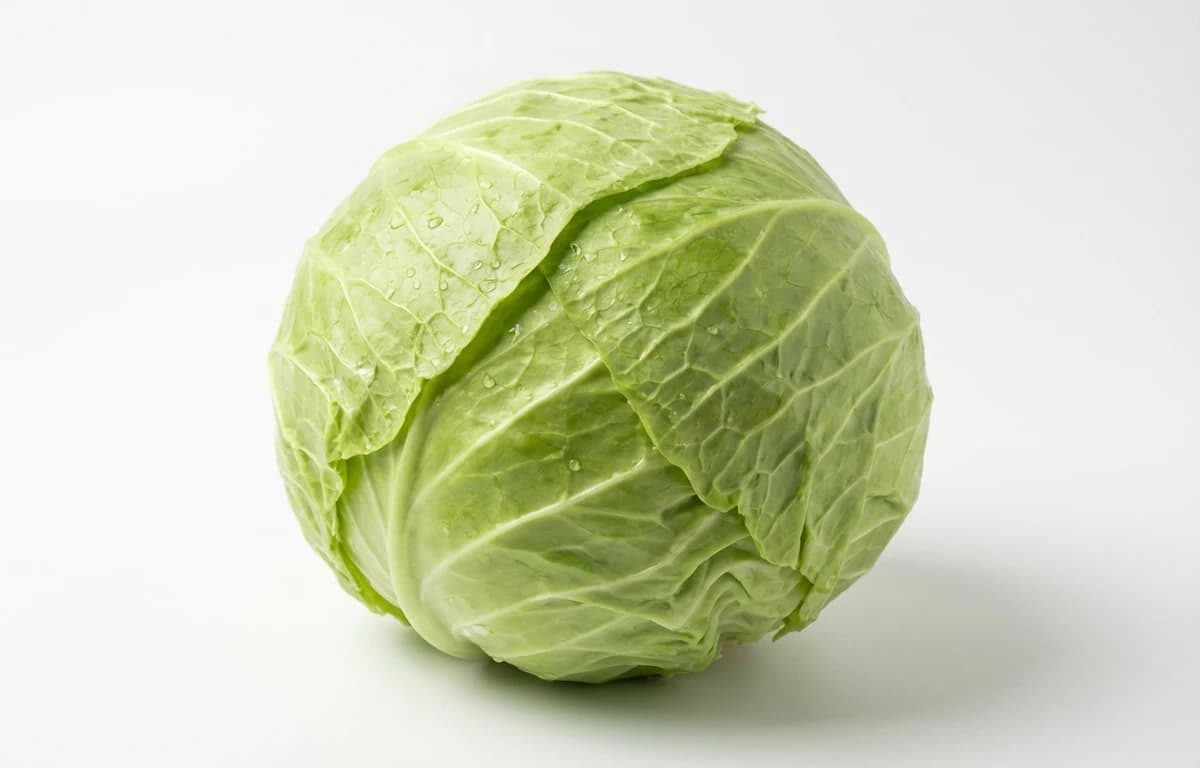
bandhakopi
Also known as:
Loading...
Also known as:
Per 100g
Nutrition data source: USDA FoodData Central

A comforting Bengali stir-fry where shredded cabbage and potatoes are cooked with panch phoron and simple spices. It's a home-style dish that's both simple to make and full of flavor, perfect with rice and dal.

A comforting Bengali-style stir-fry with shredded cabbage, potatoes, and green peas. Lightly spiced with panch phoron, it's a simple, wholesome dish that pairs perfectly with rice and dal.
Yes, bandhakopi is highly nutritious, providing significant amounts of Vitamin C for immune support and Vitamin K for bone health. It contains powerful antioxidants like sulforaphane that help reduce inflammation and lower the risk of chronic diseases.
Bandhakopi is excellent for weight management because it is very low in calories, containing only 25 calories per 100g. Its high water and fiber content help you feel full and satisfied for longer, reducing overall calorie intake.
Yes, bandhakopi is keto-friendly as it contains only about 5.8g of carbohydrates per 100g. It is frequently used in low-carb diets as a substitute for grains or as a base for stir-fries.
Yes, bandhakopi is a natural vegetable and is both 100% vegan and gluten-free. It is a safe and healthy choice for individuals with celiac disease or those following a plant-based lifestyle.
Bandhakopi can be shredded and stir-fried with spices, steamed, or added to soups and stews. In Bengali cuisine, it is often slow-cooked with potatoes and peas to make 'Bandhakopir Ghonto,' a popular dry curry.
Yes, raw bandhakopi is safe to eat and is commonly used in salads and coleslaws for its crunchy texture. However, it should be washed thoroughly to remove any dirt or residues before consumption.
Raw bandhakopi has a mild, slightly peppery flavor and a crisp texture. When cooked, it loses its crunch and develops a much sweeter, savory profile as its natural sugars caramelize.
bandhakopi is a versatile ingredient found in cuisines around the world. With 25 calories per 100g and 1.28 grams of protein, it's a nutritious addition to many dishes.
Explore more ingredients in the vegetable category with complete nutrition information.
View all vegetable →Store a whole head of bandhakopi in the crisper drawer of your refrigerator, preferably wrapped in a plastic bag to retain moisture. It can stay fresh for up to two weeks, though once cut, it should be used within 2-3 days.
Signs of spoilage include wilting or limp leaves, a slimy texture, and the appearance of dark brown or black spots. If the vegetable emits a strong, unpleasant, or sour odor, it should be discarded.
Yes, bandhakopi is high in insoluble fiber, which adds bulk to stool and promotes regular bowel movements. This helps maintain a healthy digestive system and prevents constipation.