Other10 recipes
beer.
VegetarianVeganGluten-freeDairy-freeNut-freePeanut-freeSoy-freeEgg-freeShellfish-freeHoney-freeAlcohol-freeHalalFermented
ALSO KNOWN AS
biyar
SERVING
CALORIES
43
PROTEIN
0.46g
CARBS
3.5g
FAT
0g
FIBER
0g
NUTRITION PROFILE · per 100 g
Everything in this ingredient.
MACRONUTRIENTS
Calories43kcal—
Protein0.46g1%
Carbohydrates3.5g1%
Fiber0g0%
Sugar0g0%
Total fat0g0%
Saturated fat0g0%
Cholesterol0mg0%
Water92.8g—
MINERALS
Sodium4.0mg0%
Potassium27mg1%
Calcium4.0mg0%
Iron0.02mg0%
Magnesium6.0mg1%
Phosphorus14mg1%
Zinc0.01mg0%
Copper0mg0%
Manganese0.01mg0%
Selenium0.60µg1%
VITAMINS
Vitamin A0µg0%
Vitamin C0mg0%
Vitamin D0µg0%
Vitamin E0mg0%
Vitamin K0µg0%
Thiamin (B1)0mg0%
Riboflavin (B2)0.03mg2%
Niacin (B3)0.51mg3%
Pantothenic acid (B5)0.04mg1%
Vitamin B60.05mg3%
Folate (B9)6.0µg2%
Vitamin B120.02µg1%
%DV based on a 2,000 cal diet. Source: USDA FoodData Central. A dash in the %DV column means there’s no established Daily Value for that nutrient.
MEASUREMENT CONVERSIONS
How much is what.
1 cup244.8g
1 tablespoon15.3g
1 teaspoon5.1g
1 oz29.6g
1 lb473.1g
1 ml1g
1 liter1020g
1 piece350g
HEALTH BENEFITS
Why eat it.
- ✓In moderation, may support heart health by potentially raising HDL (good) cholesterol and improving blood vessel function.
- ✓A source of B vitamins, including folate, niacin, and riboflavin, derived from the yeast and grains.
- ✓Contains dietary silicon, which is important for bone mineral density and connective tissue health.
- ✓Provides antioxidants, such as polyphenols from malt and hops, which can help combat oxidative stress.
COOKING TIPS
In the kitchen.
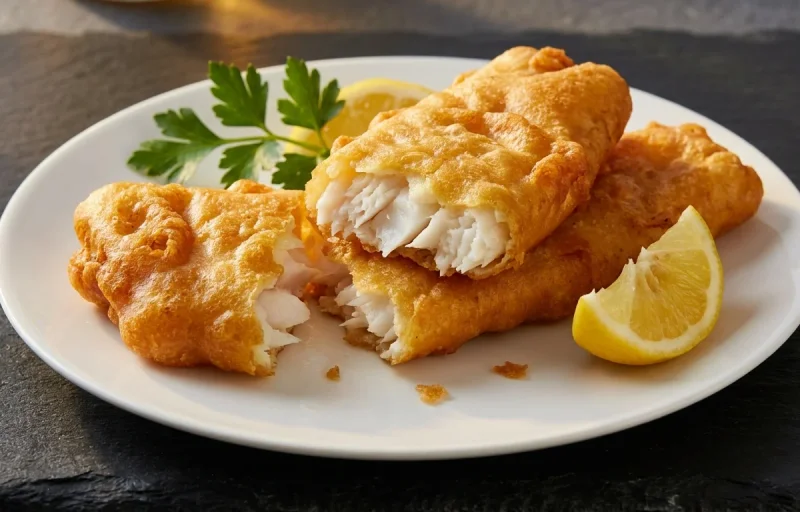
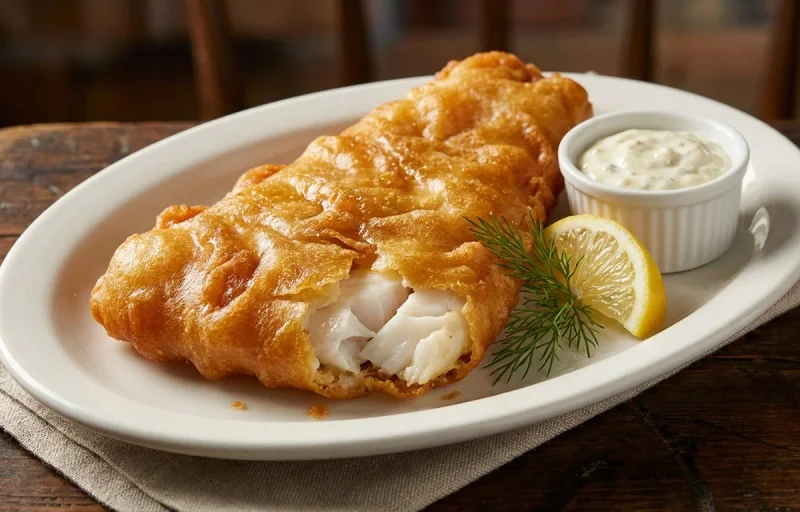
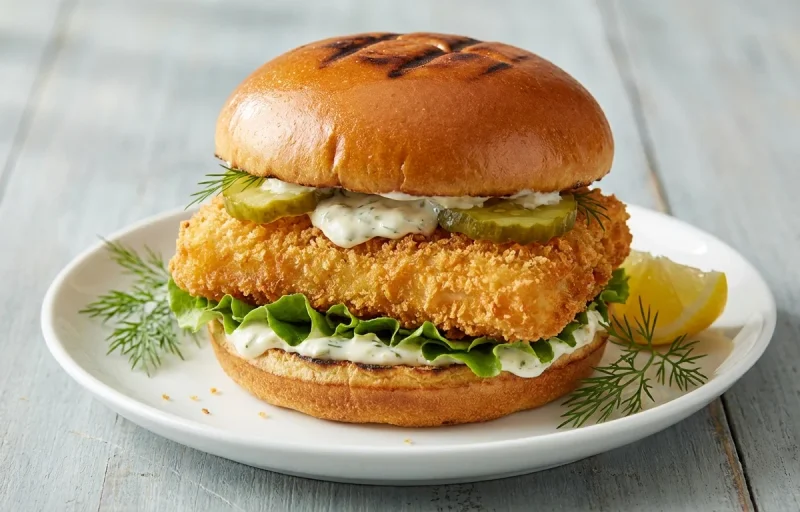
- 1Use as the liquid base for batters (e.g., for fried fish or onion rings) to create a light, crispy crust due to its carbonation.
- 2Add to stews, chilis, and braises to tenderize meat and add a deep, malty flavor. Stouts and porters are excellent for beef dishes.
- 3Incorporate into bread recipes, like beer bread, where it acts as a leavening agent and adds a complex, earthy flavor.
- 4Use lighter beers like lagers or wheat beers to steam seafood such as mussels and clams, infusing them with subtle flavor.
STORAGE
Keep it fresh.
- Store bottles and cans upright in a cool, dark place, ideally between 45-55°F (7-13°C), to prevent oxidation and preserve flavor.
- Avoid exposure to direct sunlight or fluorescent light, as UV rays can cause a 'skunked' flavor and aroma.
- Most beers are best consumed fresh (within 3-6 months of packaging), but high-alcohol styles like barleywines or imperial stouts can be aged for years.
FAQ
Frequently asked questions.
Is beer healthy?
In moderation, beer can offer health benefits such as supporting heart health by potentially raising HDL (good) cholesterol and providing antioxidants like polyphenols. It also contains B vitamins and dietary silicon, which is beneficial for bone density. However, excessive consumption carries significant health risks that outweigh these benefits.
How many calories and carbs are in beer?
On average, 100g of beer contains approximately 43 calories and 3.55g of carbohydrates. A standard 12-ounce (355ml) serving typically contains about 150 calories and 12-13g of carbs, though light beers and high-alcohol craft beers will vary significantly.
Is beer good for weight loss?
Generally, no. Beer provides 'empty calories' with little nutritional satiety, and alcohol can temporarily slow down the body's ability to burn fat. Regular consumption is often associated with abdominal weight gain, commonly referred to as a 'beer belly.'
Is beer vegan?
Most modern beers are vegan, as they are made from water, hops, yeast, and grains. However, some traditional breweries use animal-derived fining agents like isinglass (fish bladder) or gelatin for clarification, and certain styles like milk stouts contain lactose.
Is beer gluten-free?
Most traditional beers are not gluten-free because they are brewed from barley or wheat. Individuals with celiac disease or gluten sensitivity should look for specifically labeled 'gluten-free' beers made from alternative grains like sorghum, rice, or millet.
Is beer keto-friendly?
Standard beers are generally not keto-friendly due to their carbohydrate content, which can range from 10g to over 20g per serving. However, some ultra-light beers contain only 2-3g of carbs and may fit into a ketogenic diet in strict moderation.
How is beer used in cooking?
Beer is used to tenderize meats in marinades, add depth to stews and chilis, and create light, crispy batters for frying. The carbonation and yeast can also help bread dough rise while providing a distinct, malty flavor profile to baked goods.
Does the alcohol in beer evaporate when cooked?
While some alcohol evaporates during cooking, it is rarely removed entirely. Depending on the cooking method and duration, anywhere from 5% to 85% of the original alcohol content may remain in the finished dish.
How should beer be stored and how long does it last?
Beer should be stored upright in a cool, dark place to prevent 'skunking' caused by UV light. Most mass-produced beers are best consumed within 3-6 months of bottling, while some high-alcohol craft beers are designed to be aged for longer periods.
What are the benefits of the silicon found in beer?
Beer is a significant source of dietary silicon, which is highly bioavailable in liquid form. Silicon is essential for the growth and development of bone and connective tissue, and its presence in beer may help improve bone mineral density when consumed in moderation.
RECIPES
Cook with beer.
10 recipes · sorted by what’s quick
.webp)