grain
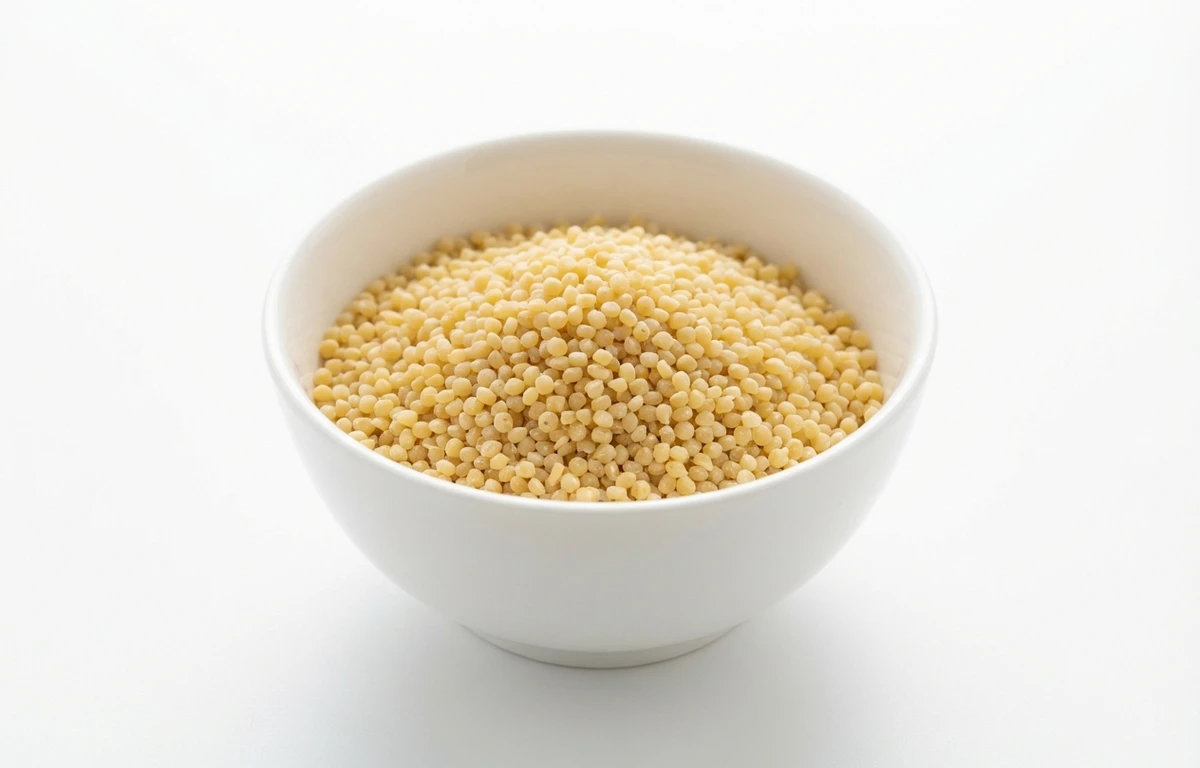
biri dali.
VegetarianVeganGluten-freeDairy-freeNut-freePeanut-freeSoy-freeEgg-freeShellfish-freeHoney-freeAlcohol-free

SERVING
CALORIES
341
PROTEIN
25.2g
CARBS
58.9g
FAT
1.6g
FIBER
18.3g
This ingredient is flagged as naturally gluten-free. Per 100 g, it provides 5.0 µg of vitamin K.
NUTRITION PROFILE · per 100 g
Everything in this ingredient.
MACRONUTRIENTS
Calories341kcal—
Protein25.2g50%
Carbohydrates58.9g21%
Fiber18.3g65%
Sugar2.0g4%
Total fat1.6g2%
Saturated fat0.30g2%
Trans fat0g—
Cholesterol0mg0%
Water10.1g—
MINERALS
Sodium38mg2%
Potassium983mg21%
Calcium138mg11%
Iron7.5mg42%
Magnesium267mg64%
Phosphorus379mg30%
Zinc3.3mg30%
Copper0.90mg100%
Manganese1.4mg61%
Selenium8.2µg15%
VITAMINS
Vitamin A1.0µg0%
Vitamin C0mg0%
Vitamin D0µg0%
Vitamin E0.10mg1%
Vitamin K5.0µg4%
Thiamin (B1)0.27mg23%
Riboflavin (B2)0.25mg19%
Niacin (B3)1.4mg9%
Pantothenic acid (B5)0.90mg18%
Vitamin B60.28mg16%
Folate (B9)216µg54%
Vitamin B120µg0%
%DV based on a 2,000 cal diet. Source: USDA FoodData Central. A dash in the %DV column means there’s no established Daily Value for that nutrient.
MEASUREMENT CONVERSIONS
How much is what.
1 cup195g
1 tablespoon12g
1 teaspoon4g
COOKING TIPS
In the kitchen.
- 1Always rinse the dal thoroughly under running water before cooking to remove any dust or impurities.
- 2Soaking the dal for at least 30 minutes to a few hours reduces cooking time and improves digestibility.
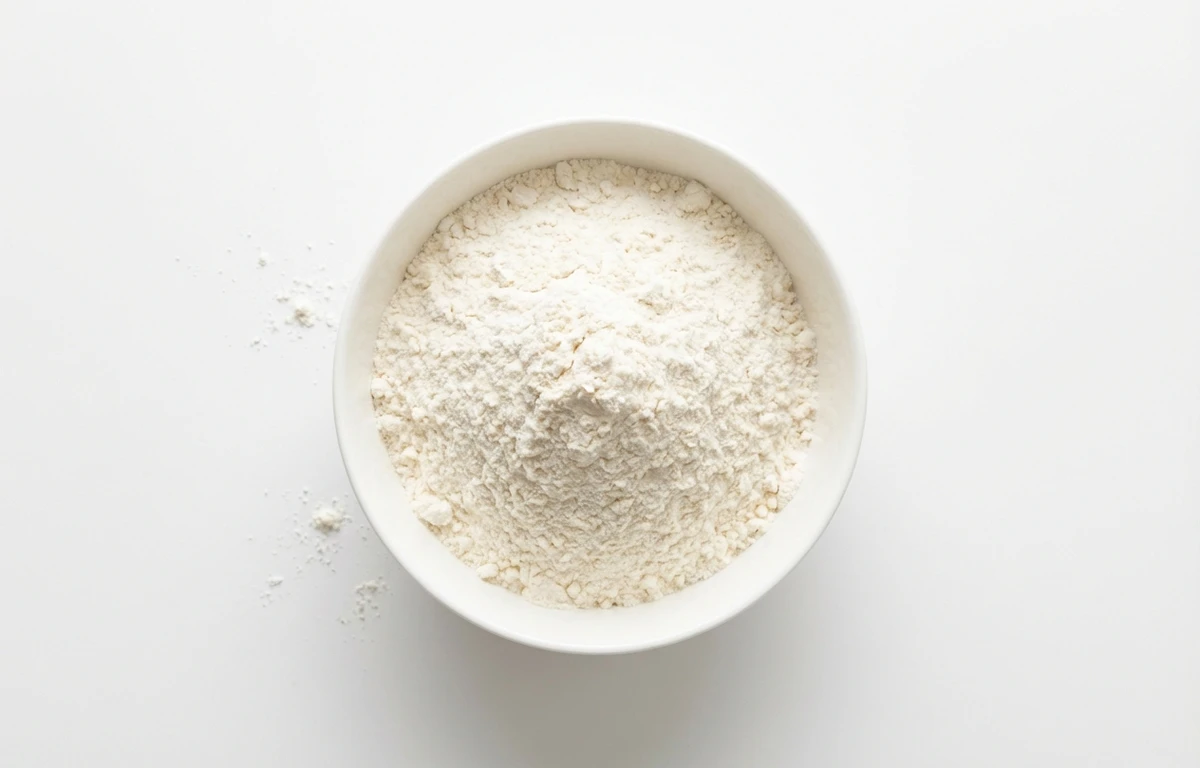
- 3When ground into a paste for batters (like for idli, dosa, or vada), it becomes airy and acts as a natural leavening agent after fermentation.
- 4Biri dali has a unique mucilaginous texture when cooked, which makes it an excellent thickener for curries and a binder for fritters.
STORAGE
Keep it fresh.
- Store dried biri dali in an airtight container in a cool, dark, and dry place, such as a pantry.
- When stored properly, it can last for up to a year. Cooked dal should be refrigerated and consumed within 2-3 days.
FAQ
Frequently asked questions.
Is Biri Dali healthy?
Yes, Biri Dali is highly nutritious, offering 25.2g of protein and significant dietary fiber per 100g. It is rich in iron, magnesium, and potassium, which support heart health, bone strength, and energy levels.
How much protein is in Biri Dali?
Biri Dali is an excellent plant-based protein source, containing approximately 25.2g of protein per 100g of dry dal. This makes it a staple for vegetarians and vegans looking to meet their daily protein requirements.
Is Biri Dali keto-friendly?
Biri Dali is relatively high in carbohydrates (58.9g per 100g), so it is generally not considered keto-friendly. However, it can be consumed in very small portions if it fits within your specific daily net carb limit.
How do you cook Biri Dali?
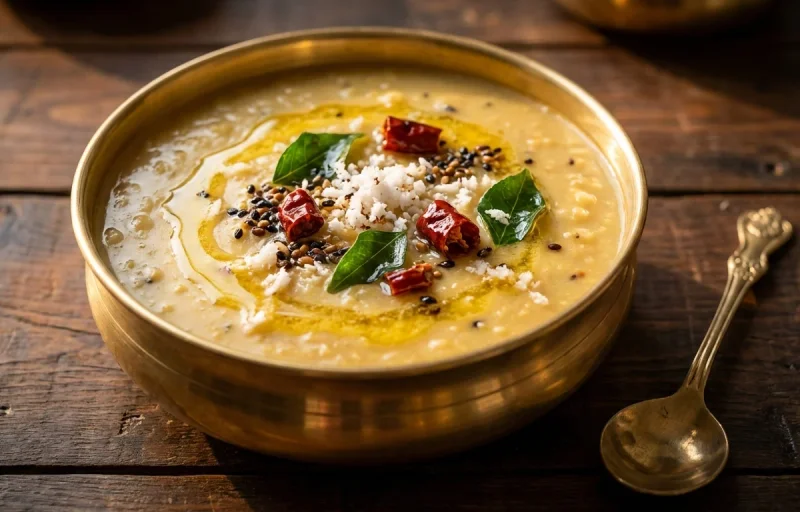
It is typically boiled until soft and then tempered with spices like cumin, ginger, and chilies. It is also a key ingredient in fermented batters for South Indian dishes like idli and dosa, where it provides a unique fluffy texture.
What does Biri Dali taste like?
Biri Dali has a mild, earthy, and slightly nutty flavor with a unique mucilaginous (creamy/sticky) texture when cooked. This texture makes it ideal for thickening stews or creating soft, fermented batters.
Do I need to soak Biri Dali before cooking?
Yes, soaking Biri Dali for 4 to 6 hours (or overnight) is recommended to reduce cooking time and improve digestibility. Soaking also helps neutralize anti-nutrients like phytic acid, making the minerals more bioavailable.
RECIPES
Cook with biri dali.
0 recipes · sorted by what’s quick