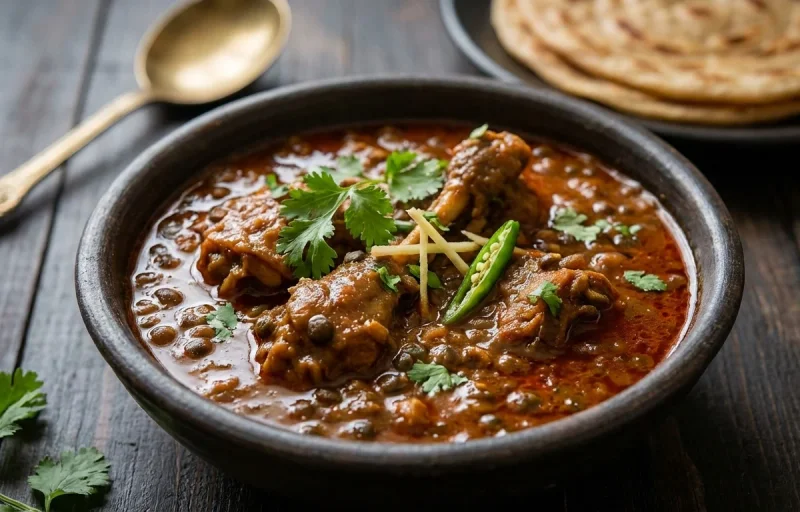
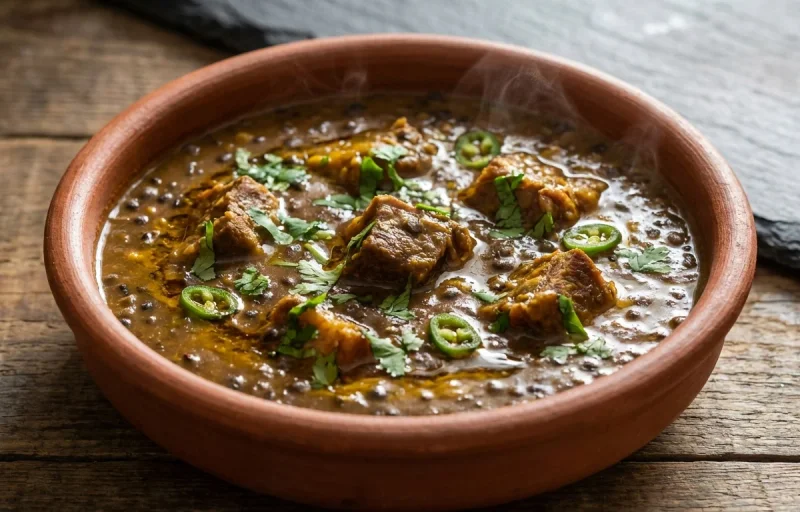
Protein10 recipes
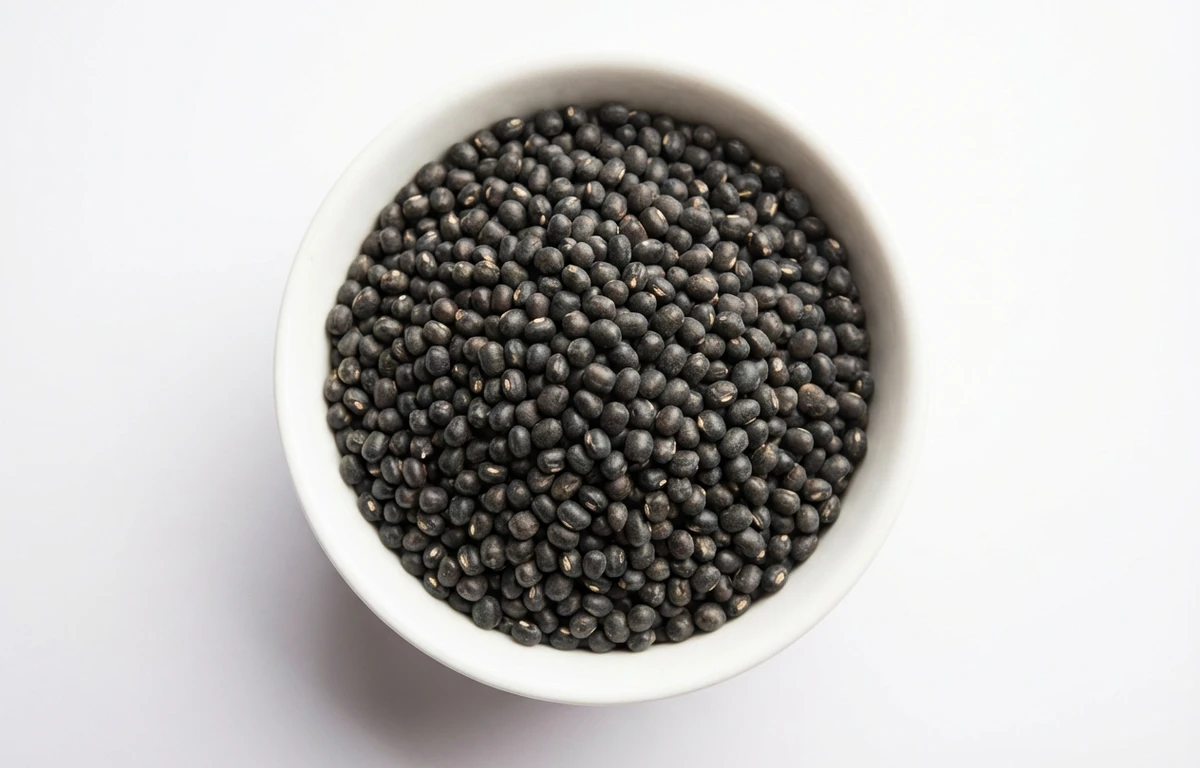
black gram lentils.
VegetarianVeganGluten-freeDairy-freeNut-freePeanut-freeSoy-freeEgg-freeShellfish-freeHoney-freeAlcohol-free
ALSO KNOWN AS
urad dalblack gram lentilssabut urad dalwhole black gram lentils
SERVING
CALORIES
341
PROTEIN
24.9g
CARBS
59.3g
FAT
1.6g
FIBER
18.3g
NUTRITION PROFILE · per 100 g
Everything in this ingredient.
MACRONUTRIENTS
Calories341kcal—
Protein24.9g50%
Carbohydrates59.3g22%
Fiber18.3g65%
Sugar5.7g11%
Total fat1.6g2%
Saturated fat0.28g1%
Cholesterol0mg0%
MINERALS
Sodium38mg2%
Potassium1060mg23%
Calcium138mg11%
Iron7.6mg42%
Magnesium267mg64%
Phosphorus379mg30%
Zinc3.4mg30%
Copper0.98mg109%
Manganese1.3mg57%
Selenium4.9µg9%
VITAMINS
Vitamin A0µg0%
Vitamin C0mg0%
Vitamin D0µg0%
Vitamin E0.38mg3%
Vitamin K7.1µg6%
Thiamin (B1)0.27mg23%
Riboflavin (B2)0.20mg15%
Niacin (B3)1.4mg9%
Pantothenic acid (B5)0.90mg18%
Vitamin B60.28mg16%
Folate (B9)390µg98%
Vitamin B120µg0%
%DV based on a 2,000 cal diet. Source: USDA FoodData Central. A dash in the %DV column means there’s no established Daily Value for that nutrient.
MEASUREMENT CONVERSIONS
How much is what.
1 cup190g
1 tablespoon15g
1 teaspoon3g
1 ml0.9g
1 liter1000g
HEALTH BENEFITS
Why eat it.
- ✓Excellent source of plant-based protein and dietary fiber, which aids in digestion and promotes satiety.
- ✓Rich in iron, which is essential for hemoglobin production and preventing anemia.
- ✓High in magnesium and potassium, which support cardiovascular health by regulating blood pressure.
- ✓Provides a good source of folic acid, crucial for cell growth and metabolism, especially important during pregnancy.
COOKING TIPS
In the kitchen.
- 1Soak whole black gram for at least 4-6 hours or overnight to significantly reduce cooking time and improve digestibility.
- 2When ground into a paste, it is a primary ingredient for making fermented batters for South Indian dishes like idli and dosa.
- 3For creamy dishes like Dal Makhani, cook the lentils slowly over low heat until they are very soft and start to break down.
- 4Avoid adding salt or acidic ingredients like tomatoes or lemon juice until the lentils are tender, as this can toughen their skins.
STORAGE
Keep it fresh.
- Store dried black gram lentils in an airtight container in a cool, dark, and dry pantry for up to 12 months.
- Once cooked, store in a sealed container in the refrigerator for up to 4 days.
FAQ
Frequently asked questions.
Are black gram lentils healthy?
Yes, black gram lentils are highly nutritious, offering a rich source of plant-based protein, dietary fiber, and essential minerals. They support heart health through magnesium and potassium, aid digestion, and help maintain energy levels due to their high iron content.
How much protein is in black gram lentils?
Black gram lentils are an excellent protein source, providing approximately 24.9g of protein per 100g of dry lentils. This makes them a staple for vegetarians and vegans looking to meet their daily protein requirements for muscle repair and growth.
Are black gram lentils good for weight loss?
Yes, they can be beneficial for weight loss because their high fiber and protein content promotes satiety, helping you feel full for longer. However, they contain 341 calories per 100g, so they should be consumed in moderate portions as part of a balanced diet.
Are black gram lentils gluten-free?
Yes, black gram lentils are naturally gluten-free. They are a safe and nutritious alternative for individuals with celiac disease or gluten sensitivity, and their flour is often used in gluten-free baking and cooking.
Are black gram lentils keto-friendly?
No, black gram lentils are generally not considered keto-friendly as they contain about 59.3g of carbohydrates per 100g. While they are a healthy complex carb, the high carbohydrate count typically exceeds the daily limits of a strict ketogenic diet.
Do I need to soak black gram lentils before cooking?
It is highly recommended to soak whole black gram for at least 4 to 6 hours, or overnight. Soaking reduces the cooking time, improves the texture, and helps neutralize anti-nutrients like phytic acid, making the lentils easier to digest.
How do you cook black gram lentils?
After soaking, boil the lentils in a 1:3 ratio of lentils to water. In a standard pot, whole black gram can take 45-60 minutes to soften, while a pressure cooker can reduce this time to about 20-25 minutes.
What is the difference between whole and split black gram?
Whole black gram (Urad Sabut) has its black skin intact and takes longer to cook, often used in creamy dishes like Dal Makhani. Split black gram (Urad Dal) can be found with or without the skin; it cooks much faster and is commonly used for tempering or making batters for idli and dosa.
How should I store black gram lentils?
Store dry black gram lentils in an airtight container in a cool, dry, and dark place like a pantry. When kept away from moisture and heat, they can remain fresh for up to 12 months, though older lentils may require longer cooking times.
Are black gram lentils good for pregnancy?
Yes, they are an excellent food for pregnancy because they are a rich source of folic acid, which is crucial for fetal cell growth and neural development. Additionally, their high iron content helps prevent anemia, which is common during pregnancy.
RECIPES
Cook with black gram lentils.
10 recipes · sorted by what’s quick